

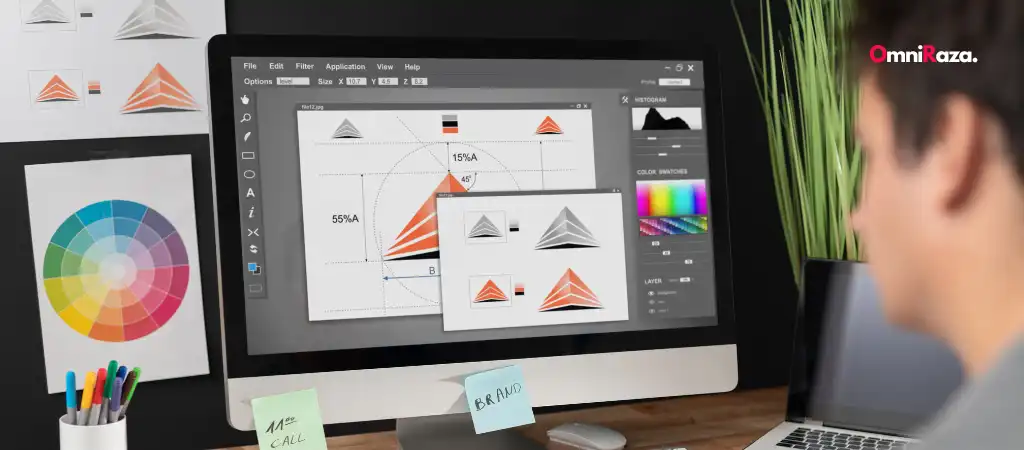
Graphic design is a dynamic and multifaceted field that plays a crucial role in various industries, from advertising and marketing to publishing and web development. Understanding the different types of graphic design can help individuals and businesses leverage these skills effectively. This comprehensive guide will explore seven distinct types of graphic design, each with its unique characteristics, applications, and tools.
Graphic Design
Graphic design is the art and practice of planning and projecting ideas and experiences with visual and textual content. The form it takes can be physical or virtual and can include images, words, or graphics. The work can occur at any scale, from the design of a single postage stamp to a national postal signage system, or from a company’s digital avatar to the sprawling and interlinked digital and physical content of an international newspaper. Before diving into the specific types of graphic design, it’s essential to understand its core purpose: to communicate messages clearly and aesthetically.
Visual Identity Graphic Design
What is Visual Identity Graphic Design?
Visual identity graphic design involves creating the visual elements of a brand’s identity. This includes designing logos, color palettes, typography, and image libraries that represent a brand’s personality and values. Visual identity graphic designers work closely with brand stakeholders to develop visual elements that accurately reflect a brand’s essence.
Key Components
-
Logos
The primary visual identifier of a brand.
-
Color Palettes
A selection of colors that represent the brand.
-
Typography
The style and appearance of printed matter.
-
Imagery
Photos, illustrations, and icons that convey the brand’s message.
Tools and Software
Visual identity designers often use tools like Adobe Illustrator, Photoshop, and InDesign to create their designs. These tools allow for the creation and manipulation of vector graphics, photo editing, and layout design.
Applications
Visual identity graphic design is crucial for businesses of all sizes. It helps establish a brand’s visual presence and ensures consistency across various marketing materials, from business cards and stationery to websites and social media profiles.
Marketing & Advertising Graphic Design
What is Marketing & Advertising Graphic Design?
Marketing and advertising graphic design focuses on creating visual content for promotional purposes. This type of graphic design is used to attract and engage customers, drive sales, and build brand awareness. It encompasses a wide range of media, including print ads, digital banners, social media graphics, and email campaigns.
Key Components
-
Print Advertisements
Posters, flyers, brochures, and magazine ads.
-
Digital Advertisements
Web banners, social media ads, and email marketing.
-
Packaging
Product packaging and labels.
-
Visual Content for Campaigns
Graphics for both online and offline campaigns.
Tools and Software
Designers in this field frequently use Adobe Creative Suite (Photoshop, Illustrator, InDesign) along with tools like Canva for creating quick and easy social media graphics. They may also use video editing software like Adobe Premiere Pro or Final Cut Pro for multimedia ads.
Applications
Marketing and advertising graphic design is utilized by businesses to promote products and services. Effective design in this area can significantly impact a company’s bottom line by attracting new customers and retaining existing ones through compelling visual content.
User Interface (UI) Graphic Design
What is User Interface (UI) Graphic Design?
User Interface (UI) graphic design is focused on designing the visual elements of user interfaces for websites, apps, and other digital products. The goal is to create interfaces that are both visually appealing and easy to use.
Key Components
-
Wireframes
Basic layouts that outline the structure and functionality of a page.
-
Prototypes
Interactive models that demonstrate how the UI elements work together.
-
Design Systems
Collections of reusable components and guidelines.
-
High-fidelity Designs
Detailed and polished versions of the UI.
Tools and Software
UI designers commonly use tools like Sketch, Figma, Adobe XD, and InVision for creating and prototyping user interfaces. These tools offer features that facilitate collaboration, feedback, and iteration.
Applications
UI graphic design is essential for digital products such as websites, mobile apps, and software applications. Good UI design enhances user experience by making digital interactions intuitive and enjoyable, which can lead to higher user satisfaction and engagement.
Publication Graphic Design
What is Publication Graphic Design?
Publication graphic design traditionally refers to the design of printed materials such as books, magazines, newspapers, and catalogs. However, in the digital age, it also encompasses digital publications, including eBooks, online magazines, and websites.
Key Components
-
Layout Design
Organizing text and images on a page.
-
Typography
Selecting and arranging fonts to enhance readability and aesthetics.
-
Cover Design
Creating compelling covers for books, magazines, and other publications.
-
Editorial Design
Designing the interior pages of publications.
Tools and Software
Publication designers often use Adobe InDesign, QuarkXPress, and other layout design software. They may also use Adobe Photoshop and Illustrator for creating and manipulating images and graphics.
Applications
Publication graphic design is vital for the publishing industry. It ensures that printed and digital publications are visually appealing, well-organized, and easy to read, thereby enhancing the overall reading experience.
Packaging Graphic Design
What is Packaging Graphic Design?
Packaging graphic design involves creating packaging for products that not only protects the product but also attracts customers and communicates brand identity. Packaging design is a critical component of product marketing and can significantly influence consumer buying decisions.
Key Components
-
Structural Design
The physical form and materials of the packaging.
-
Graphic Design
Visual elements like colors, typography, and imagery.
-
Information Design
Layout of product information and legal requirements.
-
Branding
Incorporating brand elements to ensure brand recognition.
Tools and Software
Designers in this field use software such as Adobe Illustrator, Photoshop, and CAD (Computer-Aided Design) tools to create both the structural and graphic elements of packaging.
Applications
Packaging Creative Design is used across various industries, including food and beverage, cosmetics, electronics, and consumer goods. Effective packaging design can enhance product visibility, communicate important information, and create a memorable unboxing experience for customers.
Motion Graphic Design
What is Motion Graphic Design?
Motion Creative Design involves creating graphics that move. This can include animations, digital footage, and other forms of video. Motion graphics are used in various media, from film and television to online videos and advertisements.
Key Components
-
Animation
The process of creating motion through a sequence of images.
-
Video Editing
Combining and editing footage to create a coherent video.
-
Visual Effects (VFX)
Creating realistic or stylized effects that enhance video content.
-
Sound Design
Incorporating sound effects and music to complement the visuals.
Tools and Software
Motion Creative Designers use software like Adobe After Effects, Cinema 4D, and Autodesk Maya for animation and visual effects. For video editing, tools like Adobe Premiere Pro and Final Cut Pro are commonly used.
Applications
Motion Creative Design is widely used in television and film, online video content, advertising, and social media. It helps to convey messages dynamically and engagingly, making content more compelling and memorable.
Environmental Graphic Design
What is Environmental Graphic Design?
Environmental Creative Design involves creating visual elements for physical spaces. This type of design enhances the user experience by making spaces more informative, navigable, and aesthetically pleasing. It includes wayfinding systems, signage, murals, and exhibition designs.
Key Components
-
Wayfinding Systems
Signage and visual cues that help people navigate spaces.
-
Signage
Informational and directional signs.
-
Murals and Installations
Artistic elements that enhance the environment.
-
Exhibition Design
Designing spaces for museums, galleries, and trade shows.
Tools and Software
Environmental Creative Designers use a combination of design software like Adobe Illustrator and CAD tools like AutoCAD for creating detailed plans and mockups. They may also use 3D modeling software to visualize the final designs in the physical space.
Applications
Environmental Creative Design is used in various settings, including retail spaces, corporate offices, public transportation systems, museums, and events. It plays a crucial role in creating functional, welcoming, and visually appealing environments.
You Might Be Interested In
- What Are The 4 Main Types Of Operating System?
- What Is The Name Of 3 Antivirus Software?
- What Is The Best Program To Edit Videos?
- What Is 5 Web Browser?
- What Are The Main Types Of Software Development Tools?
Conclusion
Understanding the different types of Creative Design is essential for both aspiring designers and businesses looking to leverage design to their advantage. Each type of Creative Design has its unique characteristics, applications, and tools, catering to different aspects of visual communication. Whether it’s creating a brand’s visual identity, designing user-friendly interfaces, or producing compelling marketing materials, each type of Creative Design contributes to the broader goal of effective visual communication.
In summary, the seven types of graphic design covered in this guide are:
- Visual Identity Graphic Design
- Marketing & Advertising Graphic Design
- User Interface (UI) Graphic Design
- Publication Graphic Design
- Packaging Graphic Design
- Motion Graphic Design
- Environmental Graphic Design
By understanding these different types, individuals and businesses can better appreciate the scope of Creative Design and utilize it effectively to achieve their objectives.
FAQs
What is Visual Identity Graphic Design and why is it important?
Visual Identity Creative Design involves creating the visual elements that represent a brand’s identity. This includes designing logos, color palettes, typography, and imagery that convey the brand’s personality and values. Visual identity graphic designers work closely with brand stakeholders to develop elements that reflect the essence of the brand accurately.
Importance: Visual identity is crucial for establishing a strong and recognizable brand presence. It ensures consistency across various marketing materials, which helps build brand recognition and trust among consumers. A well-designed visual identity can differentiate a brand from its competitors, making it more memorable and appealing to its target audience.
How does Marketing & Advertising Creative Design impact a business’s success?
Marketing & Advertising Creative Design focuses on creating visual content for promotional purposes. This type of Creative Design is used to attract and engage customers, drive sales, and build brand awareness through various media, including print ads, digital banners, social media graphics, and email campaigns.
Impact on Business Success: Effective marketing and advertising design can significantly impact a business’s success by:
- Attracting Attention: Compelling visuals can capture the audience’s attention quickly.
- Communicating Messages: Clear and creative designs convey the brand’s message effectively.
- Driving Engagement: Engaging graphics can increase interaction and engagement with the audience.
- Boosting Sales: Well-designed promotional materials can persuade potential customers to make a purchase.
- Building Brand Loyalty: Consistent and appealing designs help in building long-term relationships with customers.
What tools are commonly used in User Interface (UI) Creative Design?
User Interface (UI) Graphic Design is focused on designing the visual elements of user interfaces for websites, apps, and other digital products. The goal is to create interfaces that are both visually appealing and easy to use.
Common Tools:
- Sketch: A vector-based design tool specifically for UI/UX design.
- Figma: A collaborative interface design tool that allows real-time collaboration.
- Adobe XD: A design and prototyping tool for user experience and interaction designers.
- InVision: A digital product design platform that offers design collaboration and prototyping tools.
- Balsamiq: A wireframing tool that helps in creating low-fidelity wireframes.
These tools help UI designers create wireframes, prototypes, and high-fidelity designs, ensuring that the final product provides an excellent user experience.
What are the key components of Packaging Creative Design?
Packaging Creative Design involves creating packaging for products that not only protects the product but also attracts customers and communicates brand identity.
Key Components:
- Structural Design: The physical form, shape, and materials of the packaging. This aspect ensures that the packaging is functional and protects the product.
- Graphic Design: Visual elements like colors, typography, and imagery that make the packaging attractive and align with the brand’s identity.
- Information Design: The layout of product information, usage instructions, and legal requirements. This component ensures that the necessary information is clearly communicated to the consumer.
- Branding: Incorporating brand elements such as logos and brand colors to ensure consistency and brand recognition.
Effective packaging design can enhance product visibility, provide necessary information, and create a memorable unboxing experience, all of which can influence consumer buying decisions.
How is Motion Graphic Design different from other types of graphic design?
Motion Creative Design involves creating graphics that move, which can include animations, digital footage, and other forms of video. Unlike static Creative Design, motion graphics add the element of time, creating dynamic and engaging visual content.
Differences:
- Animation: Motion Creative Design includes creating animations that bring static designs to life through movement.
- Video Editing: It involves combining and editing footage to create coherent video content.
- Visual Effects (VFX): Incorporating special effects that enhance the visual appeal and storytelling.
- Sound Design: Adding sound effects and music to complement the visuals and enhance the overall experience.
