

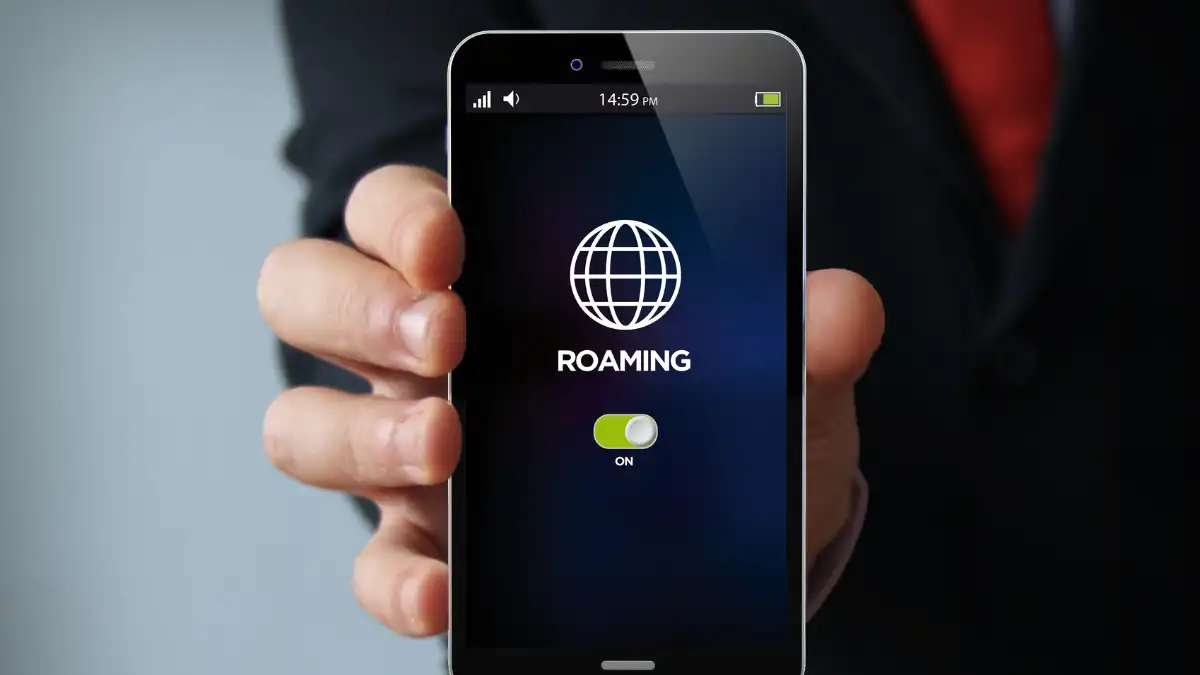
In a globally connected world, where frequent global travel is the norm, maintaining connectivity while on the move is essential. This comprehensive guide explores the intricacies of data roaming, illuminating its definition, functionality, significance for travelers, prevalent misconceptions, and practical tips for managing data usage, all within the context of the transformative impact of 5G technology.
What Is Data Roaming?
Defining Data Roaming
Data roaming is a service that allows mobile phone users to access the internet and use data services while outside their home network coverage area. When travelers venture beyond their domestic boundaries, their mobile devices connect to foreign networks, enabling seamless data usage.
How Data Roaming Works
When a user activates roaming, their mobile device establishes a connection with a partner network in the destination country. This connection allows the user to access mobile data services, send text messages, and make calls. The data consumed during this process is billed differently from regular usage, often at higher rates due to international partnerships and agreements.
Why Data Roaming Is Essential for Travelers
Connectivity Beyond Borders
Roaming is indispensable for maintaining continuous connectivity while traveling internationally. It enables travelers to access maps, stay connected on social media, communicate via messaging apps, and access vital information on the go.
Business and Productivity
For business travelers, data roaming ensures uninterrupted access to emails, documents, and other work-related applications. This feature is crucial for maintaining productivity and staying on top of professional responsibilities, even when far away from the office.
Emergency Situations
In unforeseen circumstances or emergencies, having access to data services can be a lifeline. Travelers can quickly seek assistance, access emergency services, or navigate unfamiliar surroundings with the help of real-time information.
[inline_related_posts title=”You Might Be Interested In” title_align=”left” style=”list” number=”6″ align=”none” ids=”” by=”categories” orderby=”rand” order=”DESC” hide_thumb=”no” thumb_right=”no” views=”no” date=”yes” grid_columns=”2″ post_type=”” tax=””]
Common Misconceptions about Data Roaming
Data Roaming Is Expensive
Contrary to popular belief, Roaming costs can vary, and affordable options are available. Understanding your mobile carrier’s international plans and exploring local SIM card options can help mitigate excessive expenses.
Data Roaming Is Only for Calls
While data roaming includes call services, its primary function is to enable data usage. Users can access the internet, use apps, and stay connected through various online platforms.
Wi-Fi Is a Sufficient Alternative
Although Wi-Fi is prevalent, it may not always be reliable or secure. Roaming provides a dependable connection, ensuring continuous access to the internet in areas where Wi-Fi may be unavailable or unsecured.
Tips for Managing Data Usage While Roaming

Monitor Data Usage
Stay informed about your data consumption by regularly checking your device’s data usage settings. This helps in avoiding unexpected charges and allows you to adjust your usage accordingly.
Use Wi-Fi When Available
Whenever possible, connect to Wi-Fi networks to conserve mobile data. Many hotels, cafes, and public spaces offer free or paid Wi-Fi, providing an alternative to using mobile data.
Disable Background Data
Prevent unnecessary data usage by disabling background data for applications. This ensures that only essential apps use data while actively in use.
Advancements in Technology
5G Revolution
The advent of 5G technology has significant implications for data roaming. With faster speeds, lower latency, and increased capacity, 5G networks enhance the overall roaming experience. This section delves into the impact of 5G on global connectivity, exploring its potential to redefine how users access and utilize data while roaming.
IoT Integration
The Internet of Things (IoT) is becoming an integral part of our connected world. As devices become smarter and more interconnected, data roaming extends beyond smartphones to include a myriad of IoT devices. This section discusses the role of IoT in shaping the future of data roaming and the challenges and opportunities it presents.
AI-Powered Roaming Solutions
Artificial Intelligence (AI) is revolutionizing the efficiency of data roaming services. From predictive analytics to personalized roaming plans, AI-powered solutions optimize connectivity, providing users with tailored experiences. This part explores the intersection of AI and data roaming, highlighting the innovations that enhance user satisfaction.
Global Consumer Impact
Enhanced User Experience
The future of data roaming is geared towards providing users with a seamless and enhanced experience. This section discusses innovations aimed at improving user interfaces, customer support, and overall satisfaction. From virtual SIM cards to intuitive roaming apps, the focus is on making roaming an effortless and enjoyable process for consumers.
Cost-Effective Roaming Solutions
Cost has traditionally been a barrier for many users when it comes to roaming. However, with emerging technologies and evolving business models, this section explores how the industry is working towards providing more cost-effective solutions. From bundled packages to pay-as-you-go models, the aim is to make data roaming accessible to a broader audience.
Cultural and Linguistic Considerations
Data roaming isn’t just about connectivity; it’s also about understanding and adapting to diverse cultural and linguistic needs. This part explores how the future of data roaming involves catering to a global audience by addressing language barriers, cultural preferences, and ensuring a user-friendly experience for travelers from various backgrounds.
Conclusion
Understanding What Is Data Roaming is pivotal for modern travelers. This guide has provided an in-depth exploration of Roaming, covering its definition, functionality, significance for travelers, debunking common myths, and offering practical tips for efficient data usage management. With the right knowledge and precautions, travelers can navigate the global landscape seamlessly, ensuring connectivity without compromising on budget or security.
FAQ’s
Why is Data Roaming Necessary, and How Does it Differ from Regular Data Usage?
Data roaming is crucial for travelers as it enables continuous access to mobile data services when outside their home network. Unlike regular data usage, which occurs within the home network, Roaming allows users to connect to foreign networks, ensuring seamless internet access while abroad. This service is essential for staying connected, accessing information, and navigating unfamiliar territories without interruption.
Are There Affordable Options for Data Roaming, or Will it Always Result in High Costs?
Contrary to the perception that Roaming is always expensive, there are affordable options available. Users can explore their mobile carrier’s international plans, which often provide cost-effective packages for calls, messages, and data usage abroad. Additionally, considering temporary local SIM cards or travel SIM cards can be a budget-friendly alternative for data roaming.
Can I Stay Connected Abroad Without Utilizing Roaming?
Yes, staying connected without Roaming is possible. Alternatives include connecting to local Wi-Fi networks, which are prevalent in hotels, cafes, and public spaces. Another option is purchasing temporary SIM cards in the destination country or relying on offline maps and applications. These alternatives offer connectivity without the need for traditional data roaming.
What Measures Can I Take to Ensure the Security of Data Roaming Networks Abroad?
While Roaming networks are generally secure, it’s essential to exercise caution, especially when using public Wi-Fi networks. To enhance security, consider using a virtual private network (VPN) for encrypted data transmission. A VPN adds an extra layer of protection, ensuring that your data remains secure while connected to foreign networks during data roaming.
How Can I Monitor and Manage Data Usage While Roaming to Avoid Unexpected Costs?
Monitoring data usage is crucial to avoid unexpected costs while roaming. Most smartphones have built-in features in their settings that allow users to track data usage. It’s advisable to regularly check these settings and set up data usage alerts if available. Additionally, users can download third-party apps designed specifically for tracking and managing data usage, providing real-time insights and helping prevent excessive charges.
