

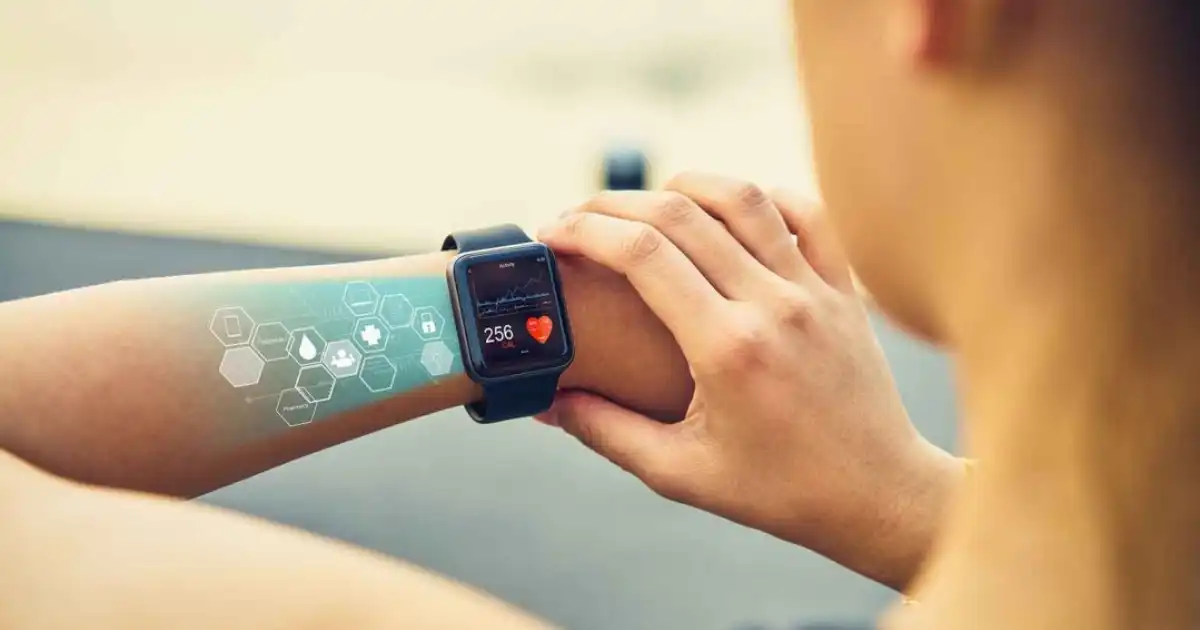
Imagine a world where your health is monitored in real-time, where potential issues are detected before they become problems, and where personalized wellness advice is always at your fingertips. This isn’t science fiction—it’s the reality of 2025, thanks to AI-powered wearable health monitors.
These advanced devices are transforming how we approach health and fitness. By integrating artificial intelligence with wearable technology, they offer continuous monitoring, predictive analytics, and personalized insights. Whether you’re an athlete aiming to optimize performance, a senior managing chronic conditions, or someone simply striving for better health, there’s an AI wearable tailored for your needs.
In this comprehensive guide, we’ll explore the top 10 AI-powered wearable health monitors of 2025. From smartwatches and rings to patches and earbuds, discover how these devices are reshaping the future of personal health.
1. Apple Watch Ultra 3: The All-in-One Health Companion
The Apple Watch Ultra 3 stands at the forefront of wearable health technology. Expected to launch in September 2025, it boasts a larger 2.12-inch microLED display, 5G connectivity, and advanced health sensors. Notably, it introduces an onboard camera for AI-driven visual analysis and enhanced health tools like blood pressure and blood oxygen monitoring .
Key Features:
-
AI Workout Buddy
Provides real-time workout suggestions and adjustments.
-
Advanced Health Monitoring
Tracks heart rate variability, ECG, and more.
-
Enhanced Connectivity
Supports 5G for seamless data sharing.
2. Whoop 5.0: The Athlete’s Personal Trainer
The Whoop 5.0 is designed for those serious about fitness. This screen-free band focuses on recovery, sleep, and strain, offering deep insights through its AI-powered Whoop Coach. With a battery life of 14–15 days and on-wrist charging, it’s a favorite among athletes .
Key Features:
-
Healthspan Tracking
Monitors long-term health trends.
-
Real-Time Stress Monitoring
Provides immediate feedback on stress levels.
-
Personalized Recommendations
Tailors advice based on individual data.
3. Fitbit Charge 6: The Smart Fitness Tracker
The Fitbit Charge 6 combines sleek design with powerful health tracking capabilities. It monitors heart rate, sleep, and stress levels, offering insights through its AI-driven platform. While some features require a subscription, its performance makes it a top choice for fitness enthusiasts .
Key Features:
-
Advanced Sleep Tracking
Provides detailed sleep stage analysis.
-
Stress Management Tools
Offers guided breathing exercises.
-
Comprehensive Health Metrics
Tracks a wide range of health indicators.
4. Oura Ring 4: The Discreet Health Monitor
The Oura Ring 4 is a discreet yet powerful health monitor. It tracks sleep, activity, and readiness, providing insights through its AI-powered app. Its compact design makes it ideal for those who prefer a subtle wearable .
Key Features:
-
Sleep Stage Detection
Analyzes deep, light, and REM sleep.
-
Readiness Score
Assesses daily recovery and readiness for activity.
-
Long Battery Life
Lasts up to a week on a single charge.
5. Garmin Forerunner 165: The Runner’s Smartwatch
The Garmin Forerunner 165 is tailored for runners. It offers VO2 max estimation, performance insights, and Body Battery energy tracking. Its AI-powered features provide personalized coaching and pace guidance .
Key Features:
-
Running Dynamics
Monitors cadence, stride length, and more.
-
PacePro Technology
Offers grade-adjusted pace guidance.
-
Advanced Metrics
Tracks lactate threshold and aerobic capacity.
6. Circular Ring 2: The FDA-Approved Smart Ring
The Circular Ring 2 is a smart ring that offers ECG monitoring and AFib detection. Approved by the FDA, it provides health insights without the need for a smartphone app, making it a convenient choice for health-conscious individuals .
Key Features:
-
ECG Monitoring
Detects irregular heart rhythms.
-
Subscription-Free
No ongoing fees for basic features.
-
Cross-Platform Compatibility
Works with all major smartphone operating systems.
7. Lief AI Smart Patch: The Stress Management Tool
The Lief AI Smart Patch uses heart rate variability (HRV) monitoring to help users manage stress. It features biofeedback exercises that guide users through calming techniques with gentle vibrations, designed to train the body to stay focused and calm under pressure .
Key Features:
-
Real-Time HRV Monitoring
Tracks stress levels continuously.
-
Biofeedback Exercises
Provides guided relaxation techniques.
-
Discreet Design
Worn as a patch for subtle monitoring.
8. Noise Luna Ring 2: The Budget-Friendly Smart Ring
The Noise Luna Ring 2 offers smart ring functionality at an affordable price. It tracks sleep, activity, and wellness metrics, providing insights through its companion app. Its stylish design makes it a popular choice among users .
Key Features:
-
Sleep Tracking
Monitors sleep quality and duration.
-
Activity Monitoring
Tracks steps and calories burned.
-
Affordable Pricing
Offers smart features without the high cost.
9. VIV Ring: The Sleep-Enhancing Smart Ring
The VIV Ring is a smart ring that uses body data to generate audio aimed at improving sleep quality. It offers sleep tracking and wellness insights, making it a unique option for those seeking better rest .
Key Features:
-
Sleep Audio Generation
Creates personalized soundscapes for better sleep.
-
Wellness Insights
Provides data on sleep patterns and quality.
-
Sleek Design
Lightweight and comfortable to wear.
10. Apple AirPods Pro 3: The Health-Integrated Earbuds
The Apple AirPods Pro 3 are expected to launch this fall with significant health-focused upgrades. They may include in-ear heart rate monitoring and hearing health tracking, integrating more closely with Apple’s Health ecosystem .
Key Features:
-
In-Ear Heart Rate Monitoring
Tracks heart rate during use.
-
Hearing Health Tracking
Monitors audio exposure levels.
-
Seamless Integration
Works within the Apple Health ecosystem.
You Might Be Interested In
- How Is Ai Used In Cybersecurity Threat Detection And Response?
- Top 7 Ai Architects Designing Saudi’s Linear City
- What Are The Best Ai Use Cases For Financial Risk Management?
- What Are Simple Underfitting Examples in Fraud Detection Models?
- How Do Ai Tutors Help Students Learn Faster At Home?
- Using Ai For Smart Home Security Systems
- How Does Machine Learning Detect Anomalies In Network Traffic?
- Why Do Gpu Data Centres Need Cooling?
- How Does Ai Personalized Learning Work In Classrooms?
- How Can Entrepreneurs Apply For Funding Or Programs Under Humain?
Conclusion
The year 2025 marks a significant milestone in the evolution of personal health technology. AI-powered wearable health monitors are no longer just futuristic concepts—they are here, and they are transforming how we understand and manage our health.
From the comprehensive capabilities of the Apple Watch Ultra 3 to the specialized focus of the Lief AI Smart Patch, these devices offer a range of features to suit diverse health needs. Whether you’re an athlete seeking performance optimization, an individual managing chronic conditions, or someone aiming to maintain overall wellness, there’s an AI wearable designed for you.
As we look to the future, the integration of AI with wearable technology promises even more personalized, proactive, and predictive health management. By embracing these innovations, we can take greater control of our health and well-being.
FAQs about Ai-powered Wearable
What is the best wearable technology for health monitoring?
The best wearable technology for health monitoring depends on what you want to track. Devices like the Apple Watch, Fitbit, and Garmin are very popular because they can monitor heart rate, steps, sleep patterns, and even oxygen levels. Some advanced models can detect irregular heartbeats or monitor stress levels, which can help people stay aware of their health. Choosing the best device also depends on comfort, battery life, and the apps it connects with, so you can find one that fits your daily routine.
These devices are designed to be worn all day, giving continuous feedback about your health. This helps you notice patterns, like how exercise or sleep affects your heart rate, or when stress is increasing. Some wearables even send alerts if your heart rate is too high or low, allowing you to take action quickly. Overall, the best wearable technology is the one that fits your lifestyle and gives you the insights you need to stay healthy.
How is AI used in health monitoring?
AI, or artificial intelligence, helps health monitoring by analyzing the data collected by wearable devices. These devices gather a lot of information, like heart rate, sleep quality, and activity levels. AI can process this data much faster than humans, identifying patterns and trends that might be hard to see on your own. For example, AI can alert you if your heart rate is unusually high or if your sleep patterns suggest fatigue or stress.
AI also helps in predicting health risks before they become serious. By looking at long-term trends, AI can suggest changes in exercise, diet, or daily routines to improve your overall health. It can even personalize recommendations based on your habits and body type, making health monitoring smarter and more effective. In this way, AI acts as a guide to help you make better health decisions every day.
How is AI used in smartwatches for health monitoring?
AI in smartwatches works by analyzing the health data these devices collect. Smartwatches can track heart rate, steps, calories burned, sleep patterns, and even blood oxygen levels. AI processes this data and gives you insights about your health, like warning you about irregular heart rhythms or suggesting when you need more rest. It can also detect trends over time, helping you understand how your lifestyle affects your well-being.
Some smartwatches even use AI to provide personalized coaching. For example, if your activity levels drop, the watch might suggest a short workout or remind you to move. AI also helps detect unusual patterns that may require medical attention, making smartwatches not just a convenience but a tool for proactive health care. This makes your smartwatch a small but powerful personal health assistant.
What is the most used wearable device?
The most used wearable device is currently the smartwatch. Among these, the Apple Watch leads in popularity, followed closely by Fitbit devices. These devices are widely used because they combine fitness tracking with smart features like notifications, music control, and apps. People use them to track daily activity, monitor health, and stay connected without constantly checking their phones.
Fitness bands are also popular, especially for people who want basic tracking at a lower price. However, smartwatches have become more popular because they offer more functionality. Their ease of use, stylish designs, and advanced health monitoring features make them the top choice for most users.
Which is the world’s largest wearable brand?
The world’s largest wearable brand is Apple. Apple leads the market mainly because of the popularity of the Apple Watch. Their devices are known for being reliable, stylish, and packed with features like heart rate monitoring, ECG, sleep tracking, and fitness coaching. Apple has created an ecosystem where the watch works seamlessly with other Apple products, which makes it very attractive to users.
Other brands like Fitbit, Garmin, and Samsung are also popular, but Apple continues to dominate the wearable market because of its brand reputation, innovation, and customer loyalty. The company’s continuous updates and new features keep it ahead, making Apple the leading wearable brand in the world.
