

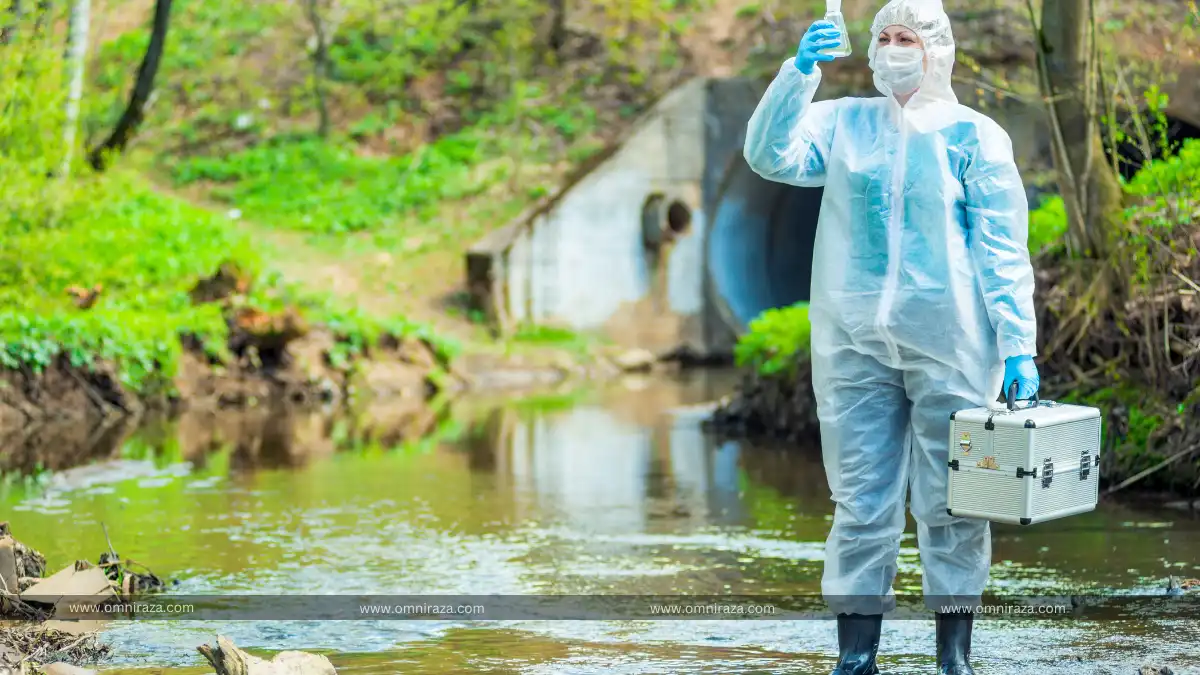
Environmental science careers encompass a broad spectrum of professions dedicated to understanding, preserving, and improving the health of our planet. From wildlife conservationists to environmental engineers, the field offers a diverse array of opportunities for individuals passionate about making a positive impact on the environment.
In this comprehensive guide, we will explore various groups of environmental science careers, highlighting their similarities and shedding light on the common goals and skills that unite professionals in these fields.
Overview of Environmental Science Careers:

Environmental Scientists and Specialists:
Environmental scientists and specialists play a crucial role in studying the environment and developing strategies to protect it. They may focus on issues like air and water quality, climate change, or land use. These professionals collect and analyze data, conduct research, and work towards implementing policies that promote sustainability.
Conservation Scientists and Foresters:
Individuals in this group are dedicated to managing and protecting natural resources, including forests, rangelands, and wildlife habitats. Conservation scientists develop plans to ensure sustainable land use, prevent soil erosion, and promote biodiversity. Foresters, on the other hand, specifically focus on managing forests for timber production and environmental conservation.
Environmental Engineers:
Environmental engineers address environmental challenges through the application of engineering principles. They design and implement solutions to problems like pollution, waste management, and resource conservation. Environmental engineers often work on projects related to water and air quality, waste disposal, and sustainable energy.
Environmental Technicians:
Environmental technicians assist scientists and engineers in collecting data and conducting tests. They may work in the field, collecting samples of air, water, soil, or other materials, and in laboratories, analyzing the collected samples. Their work is vital for the accurate assessment of environmental conditions and the development of effective solutions.
Similarities Among Environmental Science Careers:

Common Goal: Sustainability and Conservation:
While the specific tasks and focus areas may differ, a common thread among environmental science careers is the overarching goal of sustainability and conservation. Whether studying ecosystems, managing natural resources, or developing innovative technologies, professionals in these fields work towards creating a balance between human activities and the health of the planet.
Interdisciplinary Nature:
Environmental science careers often require professionals to collaborate across disciplines. Environmental scientists may work with engineers, policymakers, economists, and sociologists to address complex issues. This interdisciplinary approach is crucial for developing comprehensive solutions that consider both the ecological and societal aspects of environmental challenges.
Data Collection and Analysis:
Data plays a central role in environmental science careers. Whether monitoring air quality, studying wildlife populations, or assessing the impact of human activities, professionals in these fields rely on accurate and comprehensive data. This emphasis on data collection and analysis unites various careers within environmental science.
Policy Advocacy:
Many environmental science careers involve advocating for and influencing policies that promote environmental conservation and sustainability. Environmental scientists and specialists often contribute their expertise to shape regulations and policies at local, national, and international levels, aiming to create a legal framework that supports environmental protection.
Adaptability to Changing Conditions:
Environmental science careers require professionals to adapt to changing conditions and emerging challenges. Whether responding to the evolving impacts of climate change or addressing new environmental concerns, individuals in these fields must stay informed, innovative, and adaptable to effectively contribute to sustainable practices.
Environmental Science Careers List
Environmental Scientist:
Role:
Environmental scientists conduct research to identify, analyze, and solve environmental problems. They may work on issues such as air and water pollution, climate change, and ecosystem preservation.
Responsibilities:
Collecting and analyzing data, developing solutions to environmental problems, and collaborating with policymakers and communities.
Education:
A bachelor’s degree in environmental science, biology, or a related field is often the minimum requirement, though advanced degrees can enhance career prospects.
Environmental Engineer:
Role:
Environmental engineers design and implement solutions to environmental problems, focusing on areas like waste management, water treatment, and sustainable infrastructure.
Responsibilities:
Designing and implementing systems to address environmental issues, conducting risk assessments, and ensuring compliance with regulations.
Education:
A bachelor’s degree in environmental engineering or a related field is typically required, with some positions requiring a master’s degree.
Conservation Scientist:
Role:
Conservation scientists work to preserve and manage natural resources, studying ecosystems and developing strategies for sustainable land use.
Responsibilities:
Conducting fieldwork, analyzing data, developing conservation plans, and collaborating with stakeholders to implement sustainable practices.
Education:
A bachelor’s degree in environmental science, forestry, or a related field is common, with some positions requiring a master’s or doctoral degree.
Environmental Policy Analyst:
Role:
Environmental policy analysts study the impact of policies on the environment, providing insights to policymakers and advocating for environmentally sustainable practices.
Responsibilities:
Analyzing policy proposals, researching environmental issues, and collaborating with policymakers to develop effective environmental policies.
Education:
A bachelor’s degree in environmental science, public policy, or a related field is typically required, with advanced degrees enhancing career prospects.
Climate Change Analyst:
Role:
Climate change analysts study the effects of climate change and develop strategies to mitigate its impact. They may work in research institutions, government agencies, or non-profit organizations.
Responsibilities:
Analyzing climate data, modeling future scenarios, and developing strategies to address and adapt to climate change.
Education:
A bachelor’s degree in environmental science, atmospheric science, or a related field is common, with some positions requiring a master’s or doctoral degree.
Environmental Educator:
Role:
Environmental educators teach individuals and communities about environmental issues, conservation, and sustainable practices.
Responsibilities:
Developing educational programs, conducting workshops, and promoting environmental awareness and stewardship.
Education:
A bachelor’s degree in environmental education, biology, or a related field is common, with some positions requiring a teaching certification.
Environmental Consultant:
Role:
Environmental consultants provide expert advice to organizations and businesses on environmental regulations, sustainability practices, and risk management.
Responsibilities:
Conducting environmental assessments, advising on compliance issues, and helping clients implement environmentally responsible practices.
Education:
A bachelor’s degree in environmental science, engineering, or a related field is common, with some positions requiring specialized certifications.
Marine Biologist:
Role:
Marine biologists study marine organisms and ecosystems, addressing issues such as overfishing, habitat destruction, and pollution.
Responsibilities:
Conducting field research, analyzing data, and contributing to the conservation and management of marine environments.
Education:
A bachelor’s degree in marine biology, biology, or a related field is common, with advanced degrees often required for research or academic positions.
Environmental Health Specialist:
Role:
Environmental health specialists focus on the impact of environmental factors on human health, addressing issues such as air and water quality, hazardous materials, and disease prevention.
Responsibilities:
Conducting inspections, analyzing data, and developing strategies to protect public health from environmental hazards.
Education:
A bachelor’s degree in environmental health, public health, or a related field is typically required, with some positions requiring certification.
Wildlife Biologist:
Role:
Wildlife biologists study the behavior, ecology, and conservation of wildlife species, working to protect and manage natural habitats.
Responsibilities:
Conducting field research, monitoring wildlife populations, and developing conservation strategies.
Education:
A bachelor’s degree in wildlife biology, biology, or a related field is common, with advanced degrees often required for research positions.
Conclusion:
Environmental science careers offer a dynamic and rewarding path for individuals committed to the well-being of our planet. From studying ecosystems to developing sustainable technologies, professionals in these fields play a vital role in addressing global environmental challenges.
The similarities among environmental science careers lie in their shared commitment to sustainability, interdisciplinary collaboration, data-driven decision-making, policy advocacy, and adaptability to changing conditions. As the world faces increasing environmental concerns, the significance of these careers continues to grow, making them a fulfilling choice for those passionate about making a positive impact on the environment.
Frequently Asked Questions
What educational background is required for a career in environmental science?
Answer: Most environmental science careers require at least a bachelor’s degree in environmental science, biology, chemistry, or a related field. Some positions, especially those in research or management, may require a master’s or doctoral degree.
Are environmental science careers financially rewarding?
Answer: The financial rewards in environmental science careers can vary based on factors such as education, experience, and the specific field of specialization. While some positions may offer competitive salaries, many individuals are drawn to these careers for the intrinsic reward of contributing to environmental conservation.
How can one gain practical experience in environmental science?
Answer: Practical experience can be gained through internships, volunteer work, or entry-level positions in relevant organizations. Many universities and research institutions offer opportunities for students to engage in hands-on fieldwork and laboratory research, providing valuable experience for future environmental science professionals.
What skills are essential for success in environmental science careers?
Answer: Essential skills for environmental science careers include critical thinking, problem-solving, data analysis, communication, and interdisciplinary collaboration. Additionally, field-specific skills such as laboratory techniques, GIS (Geographic Information System) proficiency, and knowledge of environmental regulations are often crucial.
How can one stay updated on the latest developments in environmental science?
Answer: Professionals in environmental science can stay informed by subscribing to scientific journals, attending conferences and workshops, and participating in professional organizations. Following reputable environmental news sources and engaging with online communities focused on environmental issues also helps individuals stay abreast of the latest developments in the field.
