

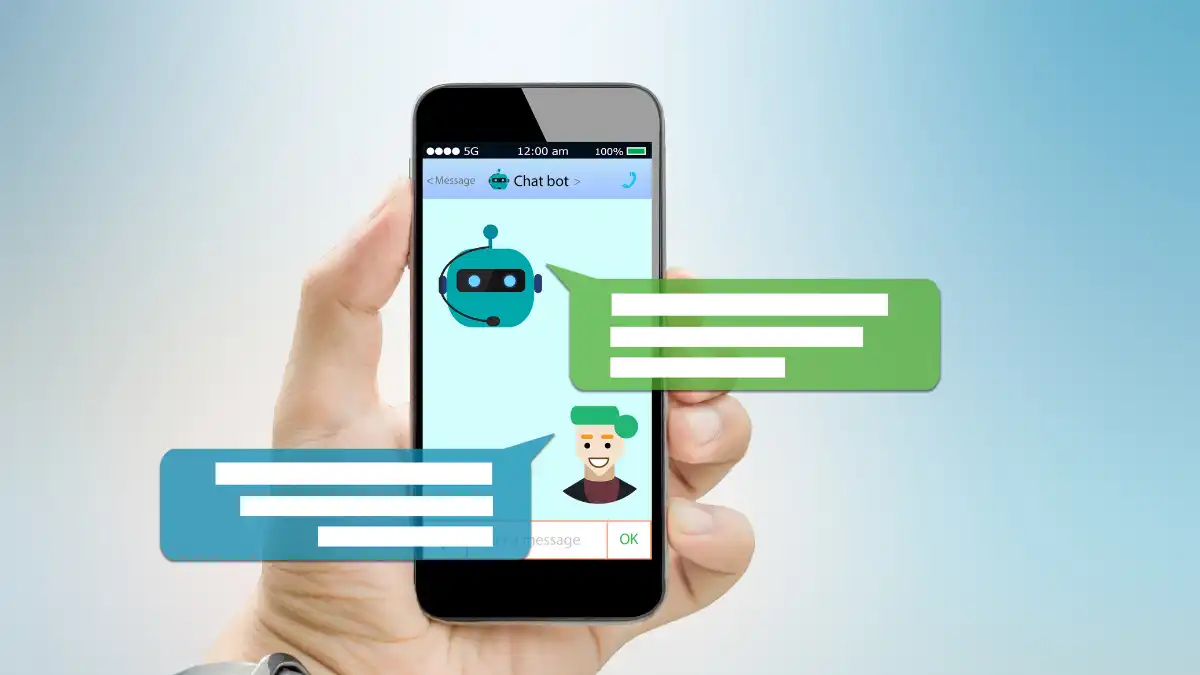
In the realm of artificial intelligence, chatbots have emerged as powerful tools for businesses and individuals alike. These virtual assistants use Natural Language Processing (NLP) to understand and respond to human language, creating more natural and engaging interactions.
In this comprehensive guide, we’ll explore how Natural Language Processing enhances AI chatbots and revolutionizes the way we communicate with machines.
Natural Language Processing
Natural Language Processing is a subfield of artificial intelligence that focuses on the interaction between computers and humans through natural language. It involves the development of algorithms and models that enable machines to understand, interpret, and generate human-like text. In the context of chatbots, NLP plays a crucial role in making conversations more meaningful and efficient.
Accurate Language Understanding
One of the key ways NLP enhances AI chatbots is by improving their ability to understand user input accurately. NLP algorithms analyze the semantics and context of a sentence, allowing chatbots to interpret the user’s intent and extract relevant information. This leads to more precise and context-aware responses, creating a more natural conversation flow.
Contextual Understanding
NLP enables chatbots to understand the context of a conversation, making interactions more dynamic and human-like. Unlike traditional rule-based systems, which rely on predefined responses, NLP-powered chatbots can adapt to changing contexts within a conversation. This contextual awareness is crucial for handling complex queries and providing relevant information based on the ongoing dialogue.
Sentiment Analysis
Understanding the sentiment behind user messages is vital for delivering a personalized and empathetic user experience. NLP algorithms can perform sentiment analysis on text, allowing chatbots to discern whether a user is expressing joy, frustration, or any other emotion. This capability enables chatbots to respond appropriately, showing empathy and tailoring their responses to the user’s emotional state.
Multilingual Support
Natural Language Processing empowers chatbots to communicate seamlessly in multiple languages. NLP models can be trained on diverse linguistic datasets, enabling chatbots to understand and respond to users in their preferred language. This multilingual support is especially valuable for businesses with a global audience, as it ensures effective communication across linguistic boundaries.
Improved Entity Recognition
Entity recognition is a crucial aspect of language understanding, as it involves identifying and categorizing specific entities within a sentence, such as names, locations, or dates. NLP algorithms excel at entity recognition, allowing chatbots to extract relevant information accurately. This capability enhances the chatbot’s ability to perform tasks like booking appointments, providing location-based information, and more.
Natural Language Generation
While understanding user input is essential, NLP also contributes to the generation of human-like responses. Natural Language Generation (NLG) is a component of NLP that enables chatbots to create coherent and contextually relevant responses. This goes beyond simple rule-based replies, allowing chatbots to generate dynamic and context-aware content that mimics human communication.
Adaptive Learning
NLP-powered chatbots can continuously learn and adapt from user interactions. Through machine learning techniques, these chatbots can improve their language understanding and response generation over time. This adaptive learning process enhances the chatbot’s performance, making it more proficient in understanding user queries and providing accurate and relevant information.
Interactive User Experiences
The integration of NLP into chatbots elevates user experiences by enabling more interactive and engaging conversations. Users can communicate with chatbots in a manner similar to how they interact with other humans, leading to a more natural and enjoyable experience. This interactivity is essential for keeping users engaged and satisfied with the chatbot’s capabilities.
Conversational Flow and Coherence
NLP contributes to the overall coherence and flow of conversations with chatbots. By understanding the context of previous messages and maintaining a coherent dialogue, chatbots can avoid misunderstandings and provide more helpful responses. This capability is crucial for creating a seamless and enjoyable conversational experience for users.
Integration with External Knowledge
NLP-powered chatbots can tap into external knowledge sources to enrich their responses. By accessing databases, articles, and other information repositories, chatbots can provide users with up-to-date and accurate information. This integration with external knowledge enhances the chatbot’s utility in various domains, from customer support to educational assistance.
[inline_related_posts title=”You Might Be Interested In” title_align=”left” style=”list” number=”6″ align=”none” ids=”” by=”categories” orderby=”rand” order=”DESC” hide_thumb=”no” thumb_right=”no” views=”no” date=”yes” grid_columns=”2″ post_type=”” tax=””]
Conclusion
Natural Language Processing is at the forefront of enhancing AI chatbots, transforming them from simple rule-based systems to intelligent and interactive virtual assistants. The accurate understanding of language, contextual awareness, sentiment analysis, and adaptive learning capabilities provided by NLP contribute to creating a more natural and engaging conversational experience for users. As technology continues to advance, the synergy between NLP and chatbots will likely lead to even more sophisticated and human-like interactions, reshaping the landscape of human-computer communication.
Frequently Asked Questions (FAQs)
How does Natural Language Processing differ from traditional rule-based systems in chatbots?
Natural Language Processing (NLP) allows chatbots to understand and generate human-like language by analyzing semantics, context, and sentiment. Unlike rule-based systems that rely on predefined responses, NLP-powered chatbots can adapt to dynamic conversation contexts, making interactions more natural and context-aware.
Can NLP-powered chatbots understand multiple languages?
Yes, NLP enables chatbots to communicate seamlessly in multiple languages. By training NLP models on diverse linguistic datasets, chatbots gain the ability to understand and respond to users in their preferred language, offering a more inclusive and globally accessible user experience.
How does NLP contribute to sentiment analysis in chatbots?
NLP algorithms perform sentiment analysis by analyzing the text to determine the emotional tone expressed by the user. This capability allows chatbots to understand whether a user is happy, frustrated, or neutral, enabling them to respond with appropriate empathy and tailoring their interactions based on the user’s emotional state.
What is Natural Language Generation (NLG) in the context of chatbots?
Natural Language Generation (NLG) is a component of NLP that enables chatbots to generate human-like responses. It involves the creation of coherent and contextually relevant content, going beyond simple rule-based replies. NLG enhances chatbots’ ability to generate dynamic and context-aware responses, mimicking human communication.
How does NLP contribute to adaptive learning in chatbots?
NLP-powered chatbots can engage in adaptive learning, continuously improving their language understanding and response generation based on user interactions. Through machine learning techniques, chatbots learn from experience, becoming more proficient in understanding user queries and providing accurate and relevant information over time.
