

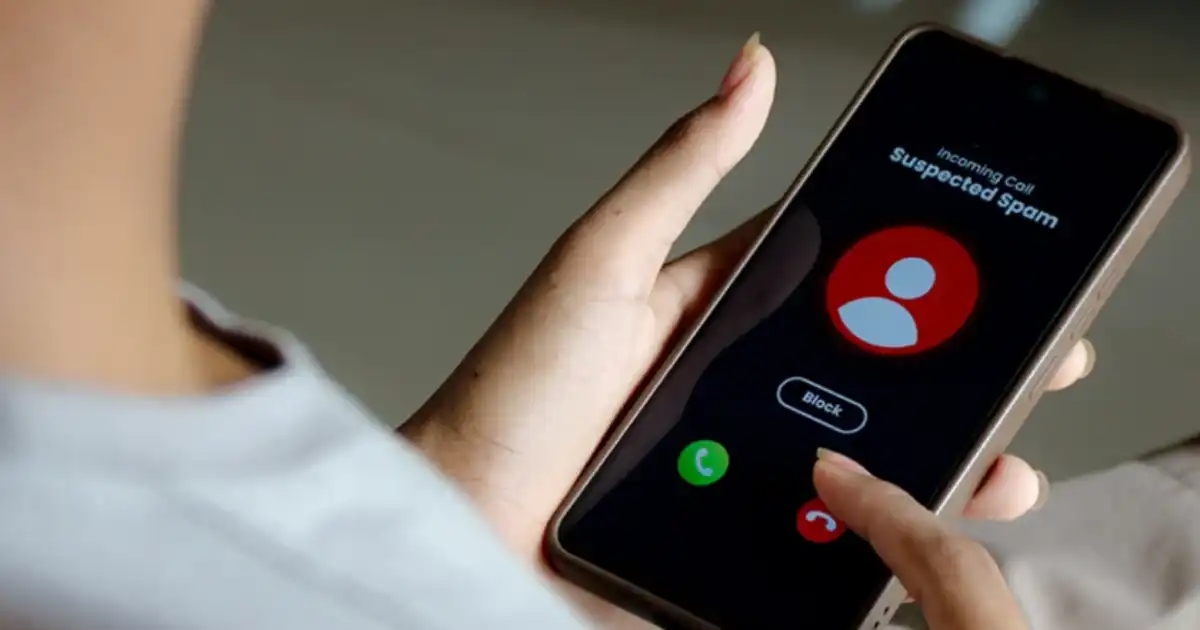
Suspicious phone calls are still one of the most effective scam methods in 2026, even with all the awareness campaigns, spam filters, and security apps. That surprises people, but it shouldn’t. The reason is simple: these scams don’t rely on technology gaps, they rely on human behavior. How Can You Verify a Suspicious Caller Identity Before Sharing Information?
In real situations, most people don’t fall for scam calls because they are careless or uninformed. They fall for them because the call feels real in the moment. The voice sounds confident. The situation feels urgent. The caller often claims to be from a trusted place like a bank, courier service, government office, or even a police department. That combination creates pressure, and pressure reduces careful thinking.
Scammers understand this very well. They don’t need to convince you in a technical sense. They only need to create a situation where you act before you verify. Once that happens, even smart and experienced people can slip.
Another thing people underestimate is how normal these calls sound now. Gone are the days of obvious “foreign scammer” accents or poorly structured scripts. Modern scammers use local languages, realistic scripts, and even background call-center noise to make the experience feel legitimate. Some even know basic personal details scraped from data leaks, which makes them sound more convincing.
Over time, I’ve seen a pattern repeat itself: people rarely get tricked by the scam itself. They get tricked by the urgency of the moment. The call feels like something that needs immediate action, and verification gets postponed “for later” that never comes.
Understanding this psychological layer is the first real step in protecting yourself. The problem is not just identifying fake calls. The real challenge is slowing down the interaction enough to verify it properly before any sensitive information is shared.
Common Warning Signs You Should Never Ignore
Most scam calls today are not obvious at first glance. They are designed to blend into normal life. However, there are consistent warning signs that appear again and again if you know what to listen for.
The first and most common sign is urgency. The caller will try to push you into immediate action. You may hear phrases like “your account will be blocked,” “legal action will be taken,” or “this needs to be resolved right now.” The goal is simple: make you react before you think. Real institutions almost never force instant action over a single phone call.
The second warning sign is requests for sensitive information. This includes OTPs, PIN codes, card numbers, passwords, or verification codes. A very important rule in real-world security is simple: legitimate organizations do not ask for these over phone calls. If someone is asking, the safest assumption is that something is wrong.
Another common pattern is fake authority. Scammers often pretend to be from banks, courier companies, tax departments, or law enforcement agencies. What makes this effective is not just the title, but the tone. They speak confidently, sometimes even aggressively, to create pressure. What most people miss is that scammers don’t try to sound fake anymore. They try to sound normal.
Inconsistencies are another subtle but important clue. You might notice small gaps in their story. For example, they may not know your full account details but still claim there is an urgent issue with it. Or they may switch departments or reasons when questioned. These small cracks are often easy to miss when you are stressed.
Lastly, there is emotional manipulation. Some calls are not threatening but reassuring. They may claim you’ve won something or that you need to “confirm details” for a refund or delivery. Both fear-based and reward-based manipulation aim for the same outcome: reducing your hesitation.
Recognizing these signs is not about memorizing scripts. It is about noticing pressure, inconsistency, and urgency as early triggers that something needs verification, not action.
Step-by-Step Method to Verify a Suspicious Caller
Verifying a suspicious caller is not complicated, but it requires discipline. Most mistakes happen because people try to verify during the call instead of stepping outside the call entirely. That is where things usually go wrong.
Step 1: Understand that caller ID cannot be trusted
The first mistake people make is trusting the number on the screen. Caller ID spoofing is extremely common. Scammers can make a call appear as if it is coming from a bank or official helpline. So the number itself is not proof of identity.
Step 2: End the call immediately
If anything feels off, the safest move is to hang up. This is where most people hesitate because they feel it might be rude or risky. In reality, hanging up is the safest verification tool you have. A legitimate caller will not collapse if you disconnect.
Step 3: Call back using official sources only
After hanging up, do not redial the same number. Instead, go to the official website of the organization or use the number printed on official documents, bank cards, or verified apps. Call them directly and ask if any such request exists. This removes the scammer from the equation entirely.
Step 4: Use verified apps or portals
Many banks and institutions now have official apps where alerts and requests are visible. If someone claims an issue exists, check it there first. If it is real, it will show up. If it is not, that is your answer.
Step 5: Know what you can safely discuss
It is okay to ask general verification questions like “Is there any issue on my account?” or “Did your team try to contact me?” What you should never do is confirm personal details to an incoming caller. You are verifying them, not the other way around.
Step 6: Always use second-channel verification
Real institutions leave multiple traces. You might get an SMS, email, or app notification alongside a real issue. A single phone call without any supporting confirmation is often a red flag. In practice, scammers rely on isolating you in one communication channel where they control the conversation.
The biggest mistake people make is treating the call as the only source of truth. In reality, verification only becomes reliable when you step outside the call and check through independent channels.
Tools That Help Identify Fraud Calls
There are several tools available today that help identify suspicious calls, but none of them are perfect. Caller ID and spam detection apps like Truecaller and similar services can flag known scam numbers and provide community reports. These are useful as a first layer of awareness.
Mobile operating systems also include built-in spam protection features that can silence or label suspected spam calls. Telecom providers in many regions are now adding network-level filters that block known fraudulent patterns before the call even reaches you.
Banking apps are also improving. Many now show official alerts inside the app when there is a real issue. This reduces reliance on phone calls for verification.
However, it is important to stay realistic. These tools help, but none of them are foolproof. I’ve seen scam calls slip through even the best filters, especially when attackers use new or spoofed numbers. That is why tools should be treated as support systems, not final decision-makers.
The real protection still comes from behavior, not software.
What You Should Never Share on a Phone Call
There are certain pieces of information that should never be shared during a phone call, no matter how convincing the caller sounds.
The most critical one is OTPs. These are designed for transaction confirmation and should only be entered by you in official apps or websites. If someone asks for an OTP over the phone, it is almost certainly a scam.
PIN numbers and banking passwords are equally sensitive. No legitimate organization will ever ask for them.
Card details, especially CVV numbers, should never be shared verbally. These details are enough to complete unauthorized transactions in many systems.
Another risky category is remote access permissions. If someone asks you to install software or give access to your phone or computer, that is a major red flag. This is often used in more advanced scams where attackers try to control your device directly.
The simplest rule is this: if the information can be used to access money or accounts directly, it does not belong in a phone conversation.
What to Do If You Already Shared Information
If you realize you may have shared sensitive information, quick action matters more than panic.
Start by contacting your bank or service provider immediately. Inform them that you may have exposed account details or verification data. Most banks can temporarily freeze accounts or cards to prevent unauthorized transactions.
Next, change your passwords for banking apps, email accounts, and any linked services. Prioritize anything connected to financial access.
If you shared card details, request a card block and reissue. Many banks can do this instantly through their apps or helplines.
It is also important to report the incident to your local cybercrime authority. Even if nothing has happened yet, reporting helps create a record and may prevent further misuse.
Finally, monitor your transactions closely for the next few days. Early detection of suspicious activity can limit damage significantly.
The key here is speed. The faster you act, the more control you retain over the situation.
Prevention Habits That Actually Work Long-Term
Long-term protection against suspicious calls is less about fear and more about habits.
Two-factor authentication should be enabled wherever possible. Even if someone gets partial information, 2FA adds a strong barrier.
It is also useful to educate family members, especially those who may not be familiar with modern scam tactics. Many scams succeed because one person in the household is less aware.
Call screening features on smartphones can also reduce exposure to unknown numbers. You do not have to answer every call immediately.
Finally, a simple habit of not trusting unsolicited calls without verification is one of the strongest defenses. If it is real, it will still be real after you verify it properly.
Final Verification Checklist Before Trusting Any Caller
Before trusting any caller, mentally run through this checklist:
- Did I initiate the call, or did they contact me first?
- Can I verify this independently through official sources?
- Am I being pressured to act quickly?
- Am I being asked for sensitive information like OTPs or passwords?
- If any answer raises doubt, the correct move is to stop and verify outside the call.
You Might Be Interested In
- What is the Potential of Quantum Technology?
- What Are Dedicated Hosting?
- The Impact Of Stargate On UAE’s Global Tech Status
- What is the objective of 6G technology?
- What Is 5G Technology and How It Works?
Conclusion
Suspicious calls are not going away anytime soon because they exploit human behavior more than technical weaknesses. The real risk is not just the scam itself, but how easily urgency and authority can override careful thinking in the moment.
The key takeaway is simple: never treat a phone call as a trusted source of truth. Treat it as an unverified claim that must be checked through independent channels before any action is taken.
Once verification becomes a habit instead of a reaction, most phone-based scams lose their power completely.
FAQs about How Can You Verify a Suspicious Caller Identity Before Sharing Information?
How do I know if a caller is real or fake?
The simplest way to judge this is not by how confident the caller sounds, but by whether their claim can be independently verified. Real organizations don’t rely on pressure or urgency to prove their identity. If someone is truly calling from a bank, courier service, or government office, you should be able to confirm the same issue by contacting the official number or checking your account through the official app or website.
Fake callers usually fall apart when you slow things down. They push urgency, discourage you from hanging up, or try to keep you isolated on the call. In real-world cases, that pressure is the biggest red flag, not small details in what they say. If you feel rushed or emotionally pushed, that is usually your signal to stop and verify separately.
What should I do if someone asks for my OTP?
You should never share an OTP with anyone on a phone call, no matter how legitimate they sound. OTPs are designed as a final confirmation step for you, not something to be verbally shared. Once someone has your OTP, they can often complete transactions or access accounts without needing anything else.
In real scam situations, this is usually the exact moment where damage happens. The caller may create urgency like “your account will be blocked” or “we need to verify this immediately,” but that urgency is part of the manipulation. The correct response is to end the call immediately, then check your account directly through official channels if anything seems suspicious.
Are caller ID apps reliable?
Caller ID apps are useful, but they are not a safety guarantee. They work mainly by identifying known spam numbers or user-reported scam calls. This means they are reactive, not preventive. If a scam number is new or spoofed, it may not appear as a warning at all.
In practice, these apps are best used as an early warning system rather than a decision-making tool. If an unknown number is flagged, that’s a strong signal to be cautious. But even if a number is not flagged, you should still rely on behavior-based checks like urgency, requests for sensitive data, and verification through official channels.
What is the safest way to verify a bank call?
The safest method is always to disconnect the call and contact your bank directly using an official number from their website, debit card, or mobile banking app. Never use a number provided by the caller, even if it looks legitimate. This removes the scammer completely from the verification process.
Once you reach the official support channel, ask if there are any issues or requests linked to your account. If it is genuine, they will already have a record. If there is nothing, that confirms the call was suspicious. Real verification only happens when you initiate contact from a trusted source, not when you respond to an incoming call.
What happens if I shared my bank details by mistake?
If you have shared sensitive banking information, the most important step is to act immediately. Contact your bank or card provider and explain what happened so they can secure your account. In many cases, they can freeze transactions, block cards, or reset access before any damage is done.
After that, change your passwords and monitor your account closely for unusual activity. Even if nothing has happened yet, early action is critical because fraudulent transactions can sometimes occur within minutes or hours. The faster you report it, the more control you keep over the situation.
