


Web3 Synopsis
In this essay, we’ll look at Web 3 and its potential to change everything to define the future of digital democracy. As we navigate the ever-changing online scenery, it is critical to recognize the significance of Web 3 in transforming how we govern and interact with one another. Using this potential can lead to a more inclusive, transparent, and participatory society.
Web3 & Recognition of Digital Democracy
Digital democracy can be defined as the empowerment of citizens in the digital era. It enables individuals to actively participate in decision-making processes, voice their opinions, and hold those in power accountable. The evolution from Web1 to Web3 has been instrumental in fostering this democratic revolution. Traditional digital platforms, characteristic of the Web1 era, were plagued by centralization, privacy concerns, and manipulation. Power was concentrated in the hands of a few, leaving users vulnerable to data breaches and exploitation. However, the advent of Web 3 has paved the way for a paradigm shift in how we interact and govern online.

Web3 Paradigm Shift
At the heart of Web3 lies decentralization, made possible through blockchain technology. Unlike the centralized structures of Web1, Web 3 embraces transparency, autonomy, and inclusivity. It dismantles the authority of intermediaries, empowering individuals and communities to take charge of their digital lives. By transitioning from being passive users to active participants, Web3 allows individuals to shape their own digital experiences. This transformative capability not only fosters greater engagement but also paves the way for more democratic decision-making processes.
You Might be Interested In:

What Is Web3?

What Is Web 3.0? The Future of the Internet

What are the benefits of collaboration technology?

How has technology impacted the digital divide?

Generative AI: Empowering or Threatening Cybersecurity & National Defence
AI: Our Greatest Ally or Our Greatest Threat?
Web3 in Action: Activating Civic Engagement
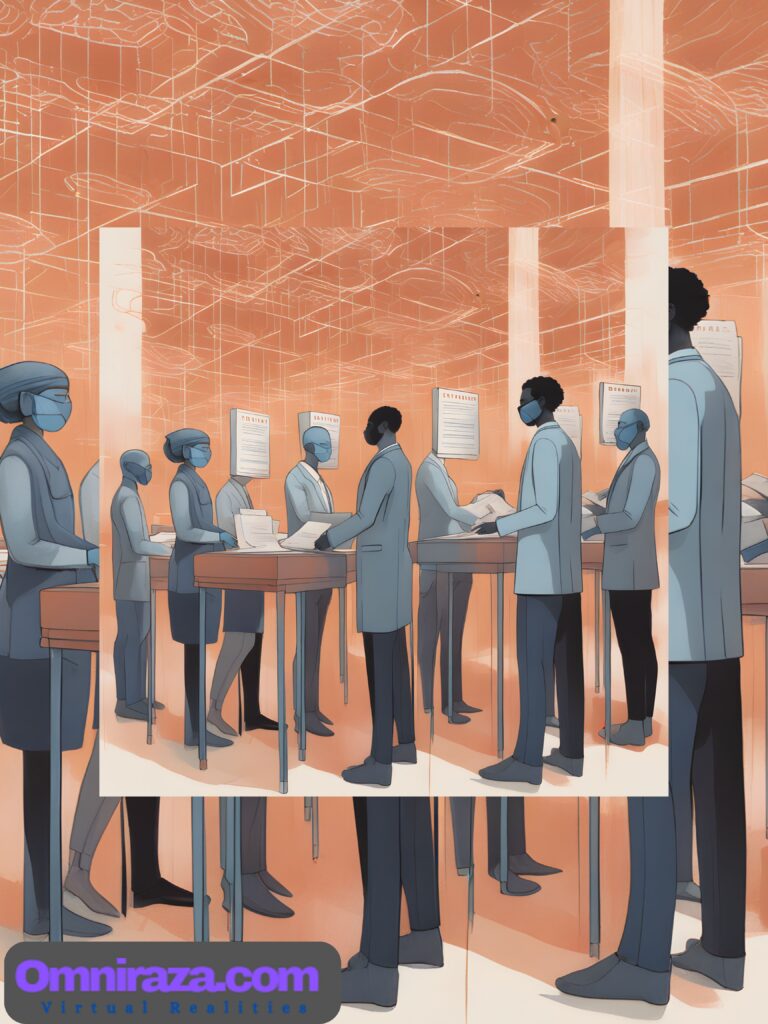
One of the most notable impacts of Web 3 is its ability to enable direct decision-making through digital voting systems. By leveraging blockchain technology, these systems offer enhanced security, transparency, and verifiability. The elimination of intermediaries and the integration of smart contracts contribute to reduced corruption and increased accountability within governance.
Furthermore, Web 3 facilitates the crowdsourcing of policy decisions. By tapping into collective intelligence, governments and communities can make more informed choices and achieve better outcomes. The power of the people is harnessed, creating a truly participatory democratic environment.
Data Sovereignty and Web3
Within the Web3 ecosystem, data sovereignty takes center stage. Individuals reclaim ownership of their personal data, putting an end to the era of data exploitation and surveillance. Encryption and privacy mechanisms work synergistically to protect user information, fostering a sense of trust and security. A key aspect of data sovereignty lies in the concept of self-sovereign identity. Web 3 empowers individuals by enabling them to control their digital identities. This shift towards user-centric identification systems ensures that individuals, rather than centralized entities, have authority over their online presence.

Online Communities and Web3
Web3 envisions the reinvention of social networks through the creation of decentralized platforms. These platforms eliminate the need for intermediaries, ensuring direct interactions and fostering a sense of community ownership. By removing surveillance mechanisms, Web 3 instills a sense of privacy and autonomy within online communities. Moreover, Web 3 nurtures global cooperation by breaking down geographical barriers. Through the power of decentralized technologies, individuals from different corners of the world can collaborate and co-create without limitations. Borders become less relevant, leading to a more interconnected and inclusive digital society.

Web3 and Financial Empowerment
Web3 introduces the token economy, redefining the way value is exchanged online. By leveraging blockchain-based tokens, individuals can engage in peer-to-peer transactions without the need for intermediaries. This democratizes access to finance, fostering financial inclusion for individuals who may have been excluded from traditional financial systems.
Additionally, Web 3-powered crowdfunding platforms disrupt the traditional fundraising and investment landscape. By decentralizing these processes, everyone can participate in funding projects they believe in, ultimately democratizing access to resources and investment opportunities.
Web3 and Countering Disinformation
Tackling misinformation and fake news is a pressing challenge in the digital age, and Web 3 offers potential solutions. By leveraging blockchain technology, trustworthy content verification mechanisms can be established. Immutable records ensure that content creators and consumers can verify the credibility of information, promoting transparency and combating fake news. Moreover, Web 3 plays a vital role in restoring trust in news and journalism. Through its decentralized nature, Web 3 fosters transparency within the production and dissemination of information. This increased transparency can counter disinformation campaigns and ultimately enhance the credibility of news sources.
Web3 and Secured Elections
Safeguarding electoral integrity is a fundamental aspect of any democracy. Web 3‘s blockchain-based voting systems offer enhanced security and verifiability. The immutability of blockchain technology creates an immutable audit trail, preventing fraud and ensuring the trustworthiness of election results. By instilling confidence in the electoral process, Web 3.0 has the potential to reshape elections for the better.
Challenges in Deploying Web3
While the potential of Web 3 is immense, there are challenges in its adoption and implementation. Scalability hurdles must be overcome to ensure mass adoption and widespread usage. Usability and user experience design play a crucial role in bridging the gap and making Web 3 more accessible to individuals of all technical backgrounds. Additionally, regulatory complexities need to be addressed, striking a balance between innovation and accountability.
Web3 & Digital Governance’s Future
Web 3 holds immense transformative potential, paving the way for decentralized governance. Governments and technologists must collaborate to shape this future. By harnessing Web 3’s capabilities, we can build a society that is more transparent, inclusive, and participatory.

Findings
The key to a more democratic digital future is Web 3. Its decentralized design prevents power from being concentrated, lowering the risk of manipulation and control. Individuals are protected by enhanced privacy and data control, while blockchain technology ensures trust and transparency. Elections are safer and more inclusive when voting systems are immutable and governance is based on tokens. The durability of Web 3 assures that digital democracy can withstand disturbances. Embracing Web 3 is a revolution that empowers individuals and strengthens democratic processes, producing a brighter digital age for everybody.
FAQs
- What is Web 3 and how does it differ from Web 2?
Web 3 represents the shift towards a decentralized internet that empowers individuals and communities by leveraging blockchain technology. In contrast, Web2 refers to the current internet landscape characterized by centralized platforms and authority.
- How can Web 3 address issues of privacy and security?
Web 3 prioritizes data sovereignty, allowing individuals to regain control of their personal data. Through encryption, privacy mechanisms, and self-sovereign identity, Web 3 ensures enhanced privacy and security for users.
- Can Web 3 eliminate online censorship and foster free speech?
While Web3 has the potential to mitigate online censorship, it cannot completely eradicate it. However, by decentralizing platforms and leveraging blockchain, Web 3 can empower individuals to exercise their right to free speech with reduced fear of censorship.
- What role does blockchain play in Web 3’s vision?
Blockchain technology underpins Web3, enabling decentralization, transparency, and trust. It ensures the immutability of records, enhances security and fosters accountability in digital transactions and governance.
- What challenges can arise in the adoption and implementation of Web 3?
Challenges in Web 3 adoption include scalability issues, user-friendly design, and regulatory complexities. Overcoming these hurdles requires innovation, collaboration, and a balance between pushing boundaries and ensuring accountability.
- How can Web 3 revolutionize the electoral process?
Web3’s blockchain-based voting systems offer enhanced security, transparency, and verifiability, safeguarding electoral integrity. Through immutability and trust mechanisms, Web 3 can reshape elections by instilling voter trust and confidence.
