

Using AI in warfare presents several hurdles that demand careful attention. One primary challenge is the risk of cyberattacks. As AI-powered military technology advances, it becomes more susceptible to hacking. Strong cybersecurity is vital to prevent adversaries from manipulating AI systems. Ethical concerns emerge when AI takes autonomous actions. The idea of machines making life-or-death decisions without human input raises worries about accountability. Clear guidelines are crucial to ensuring machines are accountable and humans maintain control over vital choices. The misuse of AI in warfare is a significant concern. Unethical use, like targeting civilians or unsupervised surveillance, poses grave threats. Strict regulations and international agreements can help curb misuse, ensuring responsible AI deployment on the battlefield. Moreover, limitations in AI development for warfare exist. The intricacies of combat, uncertain environments, and the need for adaptable decision-making pose challenges. Ongoing research and testing are essential to enabling AI to navigate modern warfare complexities effectively.
“I visualize a time when we will be to robots what dogs are to humans, and I’m rooting for the machines” ____ Claude Shannon
As technology continues to advance at an exponential rate, the world of warfare has not been left behind. With the integration of artificial intelligence in warfare, modern warfare innovations have taken on a whole new level of power and efficiency. The collaboration between AI and modern warfare has created an unstoppable alliance that is changing the face of battlefields around the world. In this blog post, we will explore the exciting developments in this field and what the future holds for the combination of artificial intelligence and modern warfare.

Understanding AI in the Context of Modern Warfare
In today’s rapidly evolving world, the integration of artificial intelligence (AI) in modern warfare has revolutionized the way battles are fought and won. Military AI, also known as AI Warfare, encompasses the use of AI-powered military technology to enhance decision-making, optimize resource allocation, and gain a tactical edge on the battlefield.
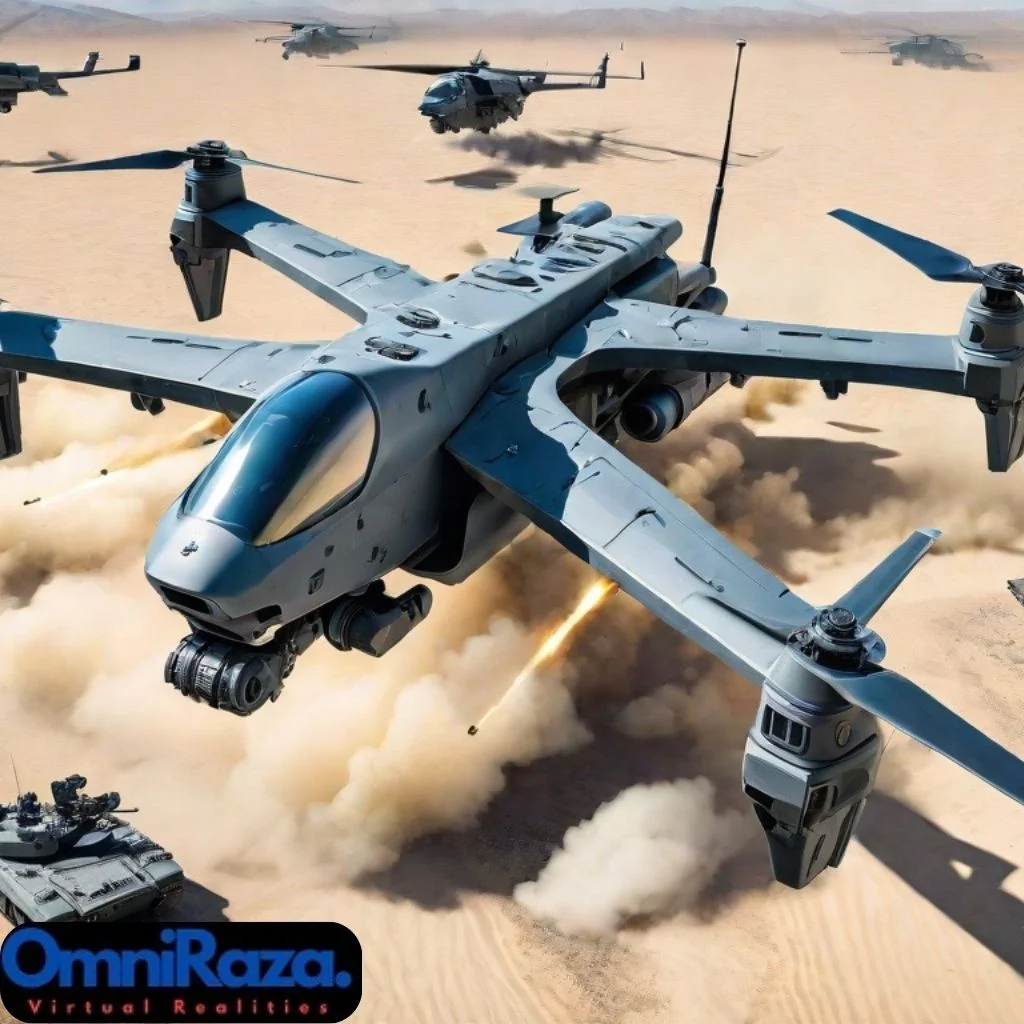
AI-powered military technology encompasses various applications, from unmanned aerial vehicles (UAVs) to autonomous weapons systems and intelligent surveillance networks. These advancements have the potential to transform warfare as we know it, allowing for faster, more efficient operations and reducing the risk to human lives.
AI in modern warfare offers commanders and soldiers enhanced situational awareness, enabling them to make better-informed decisions in real time. With the ability to process vast amounts of data and analyze patterns, AI can quickly identify potential threats, predict enemy movements, and suggest optimal strategies.
However, it is essential to recognize the ethical and moral implications of AI warfare. The use of AI in combat raises concerns about accountability, transparency, and the potential for autonomous weapons to make life-and-death decisions without human intervention.
As we look to the future, the prospects of AI in combat systems are exciting. AI-powered technologies have the potential to continually adapt and learn, making them formidable adversaries on the battlefield. However, challenges and limitations in incorporating AI in warfare must be addressed, including the risk of cyberattacks, ethical dilemmas, and potential misuse.
You Might Be Interested In

Military Operations Redefined: The Dynamic Impact of Artificial Intelligence

Information Warfare Mastery: AI vs. Humans – The Battle for Dominance?

Generative AI Empowering Cybersecurity: Threat or Triumph in National Defence?

THE MOST USEFUL MILITARY APPLICATIONS OF AI IN 2023 AND BEYOND
Revolutionary Impact of AI on War Strategies
The integration of AI in modern warfare has had a revolutionary impact on war strategies, forever changing the way battles are fought and won. Military AI, also known as AI Warfare, has brought forth a new era of AI-powered military technology that has enhanced decision-making, optimized resource allocation and provided a tactical edge on the battlefield.
With the advent of AI-powered military tech, such as unmanned aerial vehicles (UAVs), autonomous weapons systems, and intelligent surveillance networks, the possibilities for warfare have expanded exponentially. These advancements have allowed for faster, more efficient operations and have significantly reduced the risk to human lives.
One of the most significant contributions of AI in modern warfare is the enhanced situational awareness it offers commanders and soldiers. AI can process vast amounts of data, analyze patterns, and quickly identify potential threats, predict enemy movements, and suggest optimal strategies. This newfound ability to make better-informed decisions in real time has given military personnel an unprecedented advantage on the battlefield.
However, as we explore the revolutionary impact of AI on war strategies, it is crucial to consider the ethical and moral implications of AI Warfare. The use of AI in combat raises concerns about accountability, transparency, and the potential for autonomous weapons to make life-and-death decisions without human intervention.
While the future prospects of AI in combat systems are undoubtedly exciting, it is vital to address the challenges and limitations associated with incorporating AI in warfare. Risks such as cyberattacks, ethical dilemmas, and potential misuse must be carefully considered and mitigated.
Ethical and Moral Implications of AI Modern Warfare
As we delve into the fascinating world of AI and modern warfare, it is crucial to consider the ethical and moral implications of this powerful combination. The use of AI in combat raises significant concerns and challenges that must be carefully addressed. One of the most pressing issues is accountability. When autonomous weapons systems make life-and-death decisions without human intervention, who is ultimately responsible for the consequences? The lack of human involvement raises questions about transparency and the ability to hold individuals accountable for the actions taken by AI-powered machines. Another ethical concern is the potential for misuse. While AI has the potential to enhance decision-making and optimize operations, it also opens the door for unethical use. There is a risk of AI technology being used for malicious purposes, such as targeting civilian populations or conducting surveillance without appropriate oversight. Furthermore, the development and deployment of AI in warfare also pose ethical questions about the dehumanization of warfare. As AI becomes more prevalent on the battlefield, there is a danger of reducing human soldiers to mere operators of machines, diminishing the value of human life in armed conflict.
Future Prospects of AI in Combat Systems
The future of AI in combat holds immense promise, with technology evolving to create more advanced military AI. These sophisticated systems will adapt and learn, becoming formidable forces on the battlefield. One area of focus is integrating AI with autonomous weapons, raising ethical concerns but promising increased efficiency and reduced risk to human lives. AI’s role in strategic planning and resource allocation is also promising, aiding informed decisions and optimizing military operations. Furthermore, AI-driven surveillance networks will enhance situational awareness, detecting threats and enabling proactive defense strategies. However, caution is vital. Risks like cyberattacks, ethical considerations, and potential misuse need careful consideration for the future of AI in combat systems.
Challenges and Limitations in Incorporating AI in Modern Warfare
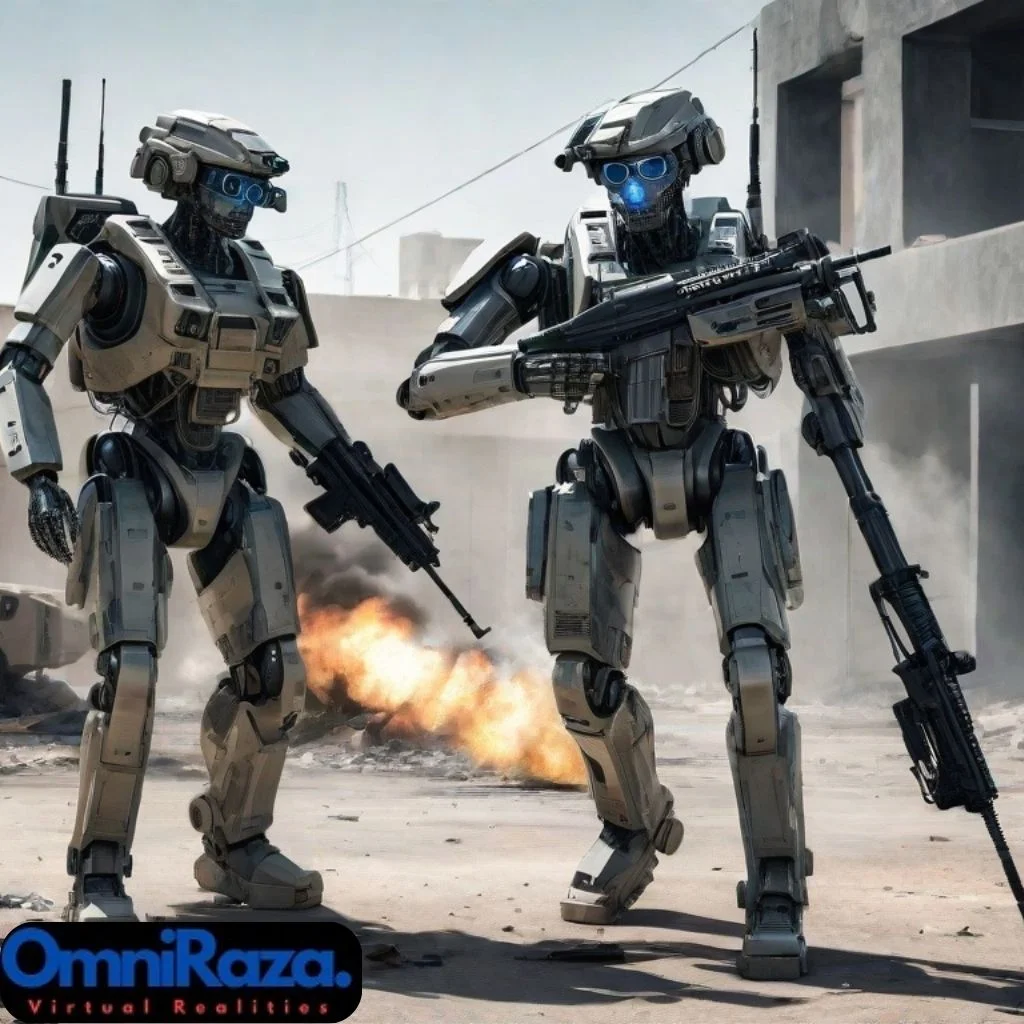
Using AI in warfare presents several hurdles that demand careful attention. One primary challenge is the risk of cyberattacks. As AI-powered military tech advances, it becomes more susceptible to hacking. Strong cybersecurity is vital to prevent adversaries from manipulating AI systems. Ethical concerns emerge when AI takes autonomous actions. The idea of machines making life-or-death decisions without human input raises worries about accountability. Clear guidelines are crucial to ensure machines are accountable and humans maintain control over vital choices. Misuse of AI in warfare is a significant concern. Unethical use, like targeting civilians or unsupervised surveillance, poses grave threats. Strict regulations and international agreements can help curb misuse, ensuring responsible AI deployment on the battlefield. Moreover, limitations in AI development for warfare exist. The intricacies of combat, uncertain environments, and the need for adaptable decision-making pose challenges. Ongoing research and testing are essential to enable AI to navigate modern warfare complexities effectively.

Case Studies – AI Deployed Successfully in Modern Warfare
AI in modern warfare showcases success stories, notably through UAVs (drones) reshaping reconnaissance. These AI-driven machines monitor enemy activities in real-time, minimizing soldier risk. Autonomous weapon systems, making swift decisions based on data analysis, enhance operational efficiency and safety, reducing human life risks. Intelligent surveillance networks analyze diverse data sources, like satellites and sensors, for threat detection, offering early warnings to military forces.
Conclusion
AI’s integration in modern warfare brings revolutionary changes, granting enhanced awareness and swift decision-making. Despite its transformative potential, ethical concerns about accountability and misuse persist. As technology evolves, we expect more adaptable AI-driven military tools, necessitating cautious deployment due to cyber threats and ethical dilemmas. In summary, while AI revolutionizes strategies, upholding ethical standards and human control remains crucial for a safer battlefield.
Frequently Asked Questions (FAQs)
How is AI transforming traditional warfare?
AI transforms warfare, boosting decision speed and accuracy, analyzing data from sensors, satellites, and drones for real-time battlefield insights. It aids precise targeting, minimizing harm. Yet, ethical concerns arise about AI-powered weaponry acting independently. Policymakers must weigh AI’s benefits against risks in traditional warfare carefully.
What are the key concerns regarding AI in modern warfare?
There are several concerns regarding the use of AI in modern warfare, including ethical considerations and the potential for AI-powered weapons to operate without human intervention. As AI becomes increasingly prevalent on the battlefield, policymakers and military leaders must carefully weigh the benefits and risks of its use.
Are there international regulations for AI in defense?
International regulations for the use of AI in defense are currently lacking, leaving the development and deployment of military AI up to individual nations.
