

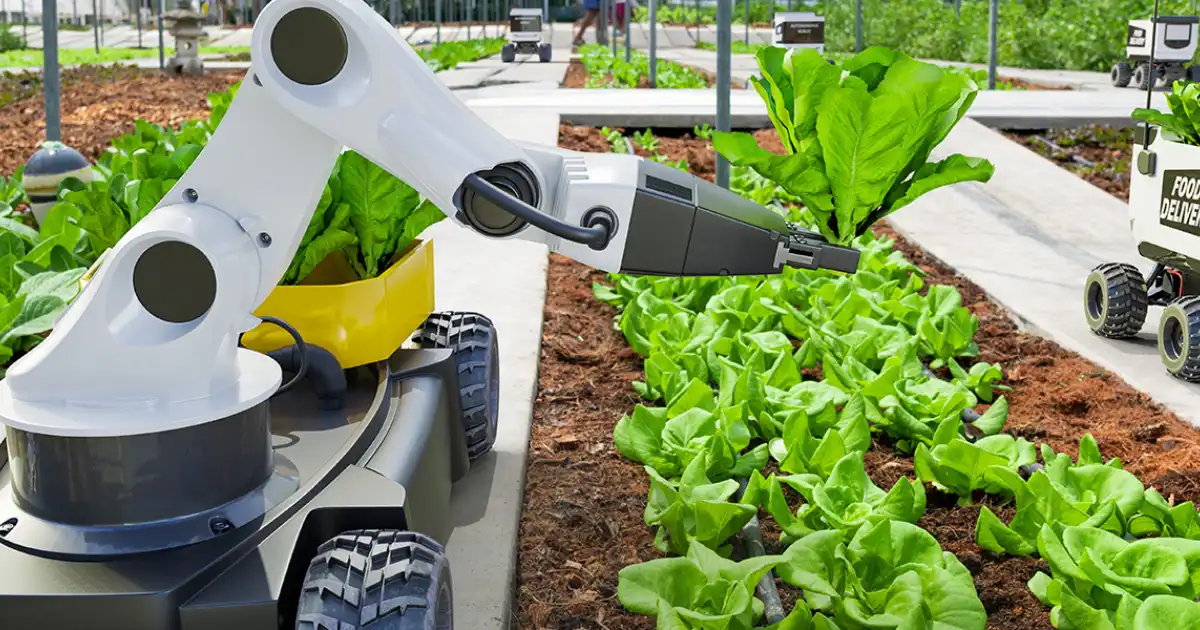
Global hunger has been one of the most persistent challenges humanity has faced. Despite technological progress in various fields, millions of people worldwide still go to bed hungry. But there is hope, thanks to the rise of Agritech Innovations. These groundbreaking technologies are revolutionizing agriculture, improving food production, and addressing issues of food scarcity. From enhanced crop yields to smarter irrigation systems, Agritech Innovations are paving the way for a future where hunger could be eliminated.
In this comprehensive guide, we will explore the top 10 Agritech Innovations that are helping to end global hunger, highlighting their potential and how they’re making a significant impact across the globe.
The World Hunger Crisis
Every year, over 820 million people do not have access to food, even though the world has enough food to satisfy everyone’s needs. The issue is obvious; it is not food scarcity that induces hunger but rather, factors such as insufficient farming distribution, poor farming processes, and climate change. With the world population predicted to grow up to 9.7 by 2050, the stress resting on food systems is unrelenting. So, in what ways can the contemporary problems be addressed?
Human civilization has always relied on farming, however, traditional farming fails to meet the current demand. There is a clear need for a paradigm shift in farming owing to profound climate change, resource limitation, or an exponential increase in population. Hence, there emerges Agritech Innovations.
How Agritech is Changing the Game
Agriculture technologies innovations are changing the world and everything related to agriculture due to the effort directed towards enhancing agricultural productivity, sustainability, and efficiency. Genetic modification of plants along with the use of AI powered systems are some of the solutions, let us explore some of the innovative approaches that are turning the tide against famine.
Precision Agriculture
One of the most recent innovations in farming is precision agriculture. Through the use of GPS technologies, sensors, and satellite imaging, farmers are now able to observe the conditions of their soils and crops in real time. This technology enables the application of fertilizers, water, and pesticide to be done in a location specific manner which lessens waste while augmenting production. Precision agriculture allows for farmers to maximize their output while minimizing the use of resources, the economically beneficial making it an environmental friendly practice.
Impact on Hunger:
With the aid of precision agriculture, more crops can be produced without significantly increasing land, which in turn helps to feed more people. This form of agriculture is very important in regions with low land of cultivation or where climate change has already begun taking its toll.
Vertical Farming
As the world is becoming increasingly urbanized the amount of available cultivable land is drastically reducing in size, which makes vertical farming an attractive option. This method of farming involves the growing of plants in layered vertical stacks, usually within an indoor controlled environment. Vertically stacked farms can incorporate hydroponic or aeroponic systems for high yield crops in limited space and lower production costs.
Impact on Hunger:
Vertical farming permits the cultivation of food products within urban environments which eliminates transport of goods from rural farms as well as facilitates the freshness of local goods. Encouraging for people living in metropolitan cities where space for traditional farming is limited, making it a viable solution to feed increasing populations sustainably.
Drones for Crop Monitoring
The use of drones with cameras and sensors constitutes another creative approach to crop monitoring. These are high flying devices capable of covering wide regions quickly and reporting on the various aspects of plant health, water available, and even soil status, Noise cancelling headsets can be utilized to counter the dreadfully distracting noise of a vibrating drill and saw.
Impact on Hunger:
With the help of drones, farmers can efficiently fix problems before they become too serious, such as eliminating pests before they infest crops, which is important for food security and ensures crops are grown in regions where resources are scant. Fertilizers or pesticides can be directly applied to the right locations through drones, so waste is considerably lowered.
Genetically Modified (GM) Crops
These crops were crafted in a laboratory and are accompanied with specific genes to give them traits like fighting off pests, diseases or respecting harsh weather. Drought-resistant crops for instance can excel in areas where farming is minimal. These genetically modified crops are also designed to encounter malnutrition in developing nations by increasing their nutritional value.
Impact on Hunger:
Genetically improving the plants makes it easier for farmers to combat hunger and malnutrition because they are more able to produce food while using less of resources. Being capable of growing food in unforgiving weather can dramatically impact regions where food deficiency is a massive problem.
Artificial Intelligence (AI) and Machine Learning in Farming
To improve farming practices, AI and machine learning are being harnessed to analyze enormous volumes of information, in turn forecasting any pest typhoon, as well as assessing diseases while optimizing the growth conditions. AI also helps empower farmers into making better decisions through the implementation of real-time data powered actionable insights.
Impact on Hunger:
Farmers can become more productive while reducing waste with the help of AI and machine learning. These technologies help ensure food is produced effectively through intelligently predicting potential crop failures and providing recommendations on how to avert them even in unpredictable conditions.
Smart Irrigation Systems
Currently, one of the larger challenges with agriculture is the availability of water. Using a set of sensors alongside weather data, smart irrigation systems automate the right timing and the right amount of watering, reducing water waste, conserving resources, as well as Improving crop yields.
Impact on Hunger:
Smart irrigation devices, through more efficient use of water, help drought-stricken areas to grow crops without necessarily over-exploiting the already scarce water resources. This innovation is essential for regions where producing food is a priority but the availability of water resources is limited.
Technologies That Reduce Food Waste
Wasting food is not a novel concept, but Agritech Innovations has developed new technologies to combat food wastage. The United Nations states that nearly 1/3 of the food that is produced is thrown away, but food waste reduction technologies strive to mitigate this issue. For example, food preservation techniques, smart packaging, and optimized supply chains ensure that food is delivered to the consumer while it is still fresh.
Impact on Hunger:
Feeding people who are starving becomes increasingly simpler with the reduction of food waste, as there is a greater surplus of food able to be rationed to those in need. Not only does this mitigate hunger levels, it ensures that the food is utilized before going to waste.
Traceability in the Agricultural Supply Chain with Blockchain Technology
The introduction of blockchain technology has greatly improved the efficiency and traceability in the agricultural supply chain. Using blockchain, every single step of the food journey is documented, which guarantees that the food is ethically sourced, sustainable, and safe to consume.
Impact on Hunger:
Along with reducing food waste and fraud, blockchain technology allows for food to reach the population that needs it the most, at the precise time it is needed. The incalcuble amount of transparency incorporated in this technology encourages sustainable farming practices which promote the alleviation of world hunger.
Systems of Hydroponics and Aquaponics
Aquaculture is a farming method that integrates hydroponics—a soil-less farming technique that relies on water—to produce fresh crops. Hydroponics entails farming vegetables and other crops in nutrient-rich water instead of soil. While in aquaponics, fish farming accompanies plant growing where fish excreta serves to nourish the plants while plants serve the fish by cleansing the water.
Effects on Hunger
These two methods can be used in regions where soil fertility is low and the land is limited or both. This makes food production through using less land and water very proficient in increasing food supply and also aquaponics and hydroponics provide the best way to sustainably feed the increasing population around the globe.
Innovations in Sustainable Farming for Livestock
Agriculture using livestock has been one of the leading causes of greenhouse gases, deforestation, and depletion of water resources. However, Agritech Innovations is helping to mitigate the impact of livestock farming due to advancing technologies like help automatization of feeding farm animals, waste management, and precision breeding, which intervene in herd management practices to make livestock farming easier and more sustainable.
Effects on Hunger
Sustainable livestock farming aids in ensuring ethical farming practices in the supply of animal products while also helping to feed the growing globe. Sustainable food production systems are further assisted by these technologies and the sustainable development of livestock farming reduces the environmental challenge posed by livestock farming.
Desire: Why We Need Agritech Innovations To End Global Hunger Agritech Innovations like vertical city farms and smart irrigation systems are proof that the innovations mentioned are already being implemented around the globe. These innovations are solving real world problems and building sustainable food systems.
Innovative technology can increase food production, make food less expensive, and use less resources for everyone, irrespective of their location or income. Agritech Innovations makes tackling the problem of global food scarcity possible through its counterparts of climate change, waste, and inefficiency.
What You Can Do to Aid Agritech Innovations
The fight against global hunger can seem overwhelming, but there are ways that everyone can pitch in to help combat the problem. You can take the following steps:
Approach and issue support to local non-profits and tech innovators working around the sustainable farming problem.
Spread the word about the significant role technology can play in fighting hunger.
Take an initiative to invest or advocate for policies that support investment in sustainable food systems.
Everyone from government organizations to consumer individuals to corporate businesses have a part to play in creating conditions that would help Agritech Innovations flourish. By backing these innovations, we can help construct a world where hunger is no longer a concern.
You Might Be Interested In
- How Ai Accountability Laws Protect Users?
- What Is The Software Implementation Process?
- Creativity: Exploring the World of Furry AI Art Generators
- How AI In Cybersecurity Stops Hackers Fast?
- How Masdar City Implements A Circular Economy?
Conclusion
Agritech Innovations strives to eradicate world hunger by increasing food supply and tackling waste, as well as other problems the world faces including climate change. Precision agriculture, vertical farming, AI, and intelligent irrigation systems are already having an impact on global food security. However, further investment in fuel these innovations is required to maximize their beneficial potential. With enough support, a world that is more sustainable, equitable, and free from hunger can be achieved.
FAQs About Agritech Innovations
What is the most effective solution to world hunger?
The answer to world hunger is a blenden approach that manages the existing needs and the long-term sustainability of food systems. A vital concern is to increase agricultural productivity especially in the case of developing countries. Their particular issues can be addressed through the financing of modern farming, irrigation, and the use of quality seeds and fertilizers.
Small-scale farmers’ productivity needs to be enhanced because they comprise the most vulnerable portion of the food deficient populace. In parallel, there are infrastructural developments such as highways and food storage that need to be built in order to minimize waste and facilitate feeding more people. Further, improvement in the food marketing will definitely facilitate accessibility as well as provide ease for the people facing difficulties.
One of the additional elements of formulating a sustainable solution is ensuring that food is both available and properly nourishing. Meeting the nutritional requirements of people, especially in developing countries where malnutrition is common, must be taken care of. Strengthening food security for the needy through social safety nets such as food aid, cash transfer benefits, and subsidies is an essential step towards meeting the challenge of hunger.
There is a need for policies that facilitate access to sufficient, nutritious food, support a greater variety of foods, and deal with poverty. In addition, there needs to be action by international agencies, local governments, non-governmental organizations, and the business world to provide comprehensive and effective solutions aimed at alleviating the multifaceted problems of poverty, climate change, and political tension which underpin hunger.
To what extent can technology resolve world hunger?
The use of technology is extremely useful in mitigating world hunger by analyzing the issue’s main causes towards food scarcity. One of the most innovative technological approaches is precision agriculture, which employs drones, sensors, and artificial intelligence (AI) among many other data-driven tools, to enhance farming. These technologies can assess soil health, forecast weather conditions, and report pest infestations in real-time, allowing farmers to maximize crop production while minimizing the depletion of vital resources such as water and fertilizers. Such smart farming practices are vital towards enhancing and sustaining agricultural productivity, especially in areas affected by climate change in the face of droughts and floods.
While enhancing the agricultural aspects, technology can reduce food waste, which is one of the elements causing hunger. New techniques of food preservation like smart packaging and refrigeration aid in prolonging shelf life of perishables and decreasing spoilage. Furthermore, AI and machine learning have the potential to enhance food distribution systems by predicting food shortages and optimizing delivery routes to where they are needed most.
Digital platforms and mobile applications can also serve to empower smallholder farmers with relevant marketing data that allows them to not only sell their products but also receive better prices. These technologies not only improve the income of farmers, but also ensure that food reaches vulnerable populations living in remote or underserved areas.
Has Elon Musk suggested any efforts to stop world hunger?
Yes, Elon Musk has made a public claim about trying to solve world hunger. The World Food Programme (WFP) proposed in 2021 that a donation of $6 billion could solve many issues associated with hunger and the aid would suffice for a considerable amount of food assistance to individuals in need. Musk, in return, suggested that he would be willing to liquidate $6 billion of Tesla stock on the condition that WFP showed him how the funds would help to eliminate world hunger. He asked WFP to elaborate on the feasible and scientific food distribution plan that the funds would address.
Despite garnering attention, Musk’s offer also raised controversy. Some analysts expressed doubts as to whether a singular donation of such magnitude would help mitigate world hunger which has numerous causes including poverty, political times, and climate change instead of only a lack of resources. Others posited that while single donations have the potential to help, eliminating hunger requires long term efforts from governments, international institutions, and the private sector.
In spite of these complexities, Musk’s offers initiated conversations concerning his role in solving problems and philanthropy. His offers illustrate the systems in which billionaires could have an impact in solving global issues. These ulterior motives also show the impact monetary donations could pose in solving hunger, while neglecting the need for deep systemic change to ensure that such changes are durable.
In what ways can Artificial Intelligence contribute towards the alleviation of world hunger?
Artificial Intelligence (AI) can dramatically contribute to solving world hunger by enhancing food production and distribution efficiency. Food-specifc AI technologies can assist farmers in making better informed decisions regarding resource utilization and crop yield improvements. For example, systems powered by AI can make recommendations about the optimal timing for planting, irrigating, and harvesting crops by processing data from weather systems and soil condition, as well as pest control activities. This sort of initiative ensures comprehensive farming and environmental sustainability. In addition, AI can also track the health of crops with the help of drones and satellites. In so doing, AI can forewarn farmers and help them manage crops at risk.
Food distribution and waste systems represent another sector AI can touch to lessen food insecurity. Machine learning models produce better forecasts for food supply and demand. With AI, organizations can proactively assess where food aid is likely required most and take appropriate actions so that food is delivered efficiently. Besides, smallholder farmers can sell directly to consumers via AI trading platforms, thus cutting trade barriers. AI can ensure more food ends up with the needy by improving supply chain systems, efficiency, and decreasing food waste.
How can we eradicate hunger around the globe?
Ending global hunger is a nuanced problem that needs the collaboration of various nations to combat its fundamental issues. One of the most important parts to focus on would be dealing with poverty, which happens to be a key contributor of hunger. In addition, poverty acts a huge barrier that blocks people from accessing both food and many basic amenities. To tackle poverty, governments need to focus on policies that stimulate economic growth for the underprivileged. This includes providing enhanced education, better health care facilities, and other economic opportunities like training programs and microfinance. By addressing the poverty issues, people are eventually able to contribute towards their own sustenance and in turn, aid the decline of hunger statistics.
Resilience building of food systems remains central in mitigating hunger. This encompasses better farming techniques, better storage and distribution of food, and better access to food. Investment in infrastructure like roads and transport for rural to urban migration enhances access to food. Managing the effects of climate change is also important. Extreme climate conditions of drought and flooding can affect food availability and increase hunger. International collaboration is very important in creating policies aimed at food security, managing strife, and aiding in the sustainability of food systems. Progress in addressing these issues would greatly assist in the eradication of hunger.
