

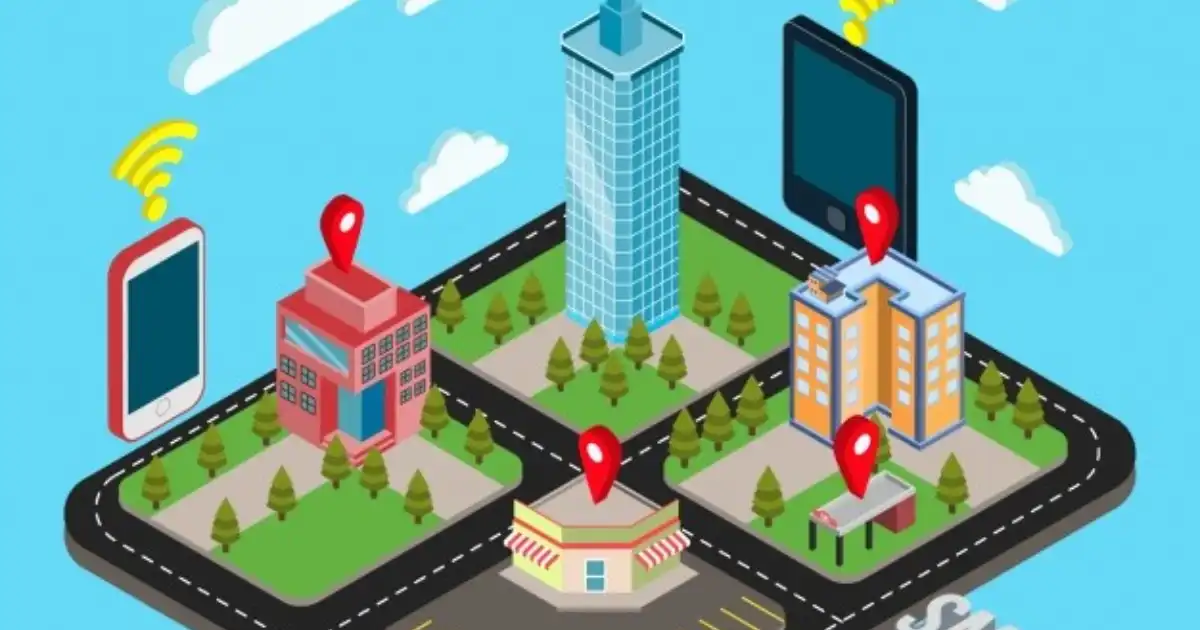
When people talk about smart cities, you often hear visions of futuristic streets, flying cars, and AI that anticipates your every need. In reality, a smart city isn’t about sci-fi gadgets it’s about using technology and data to make urban life smoother, safer, and more efficient. What Is A Smart City?
From my experience working on smart city projects, the simplest way to define a smart city is this: it’s a city that uses digital technology and connected infrastructure to improve the quality of life for its residents. That might sound broad and it is because smart cities can look very different depending on the location, budget, and local priorities.
What’s important is that a smart city isn’t just a cluster of gadgets. It’s about integration. Traffic lights talk to sensors. Waste bins alert the sanitation department when they’re full. Streetlights dim when no one’s around to save energy. These are small, practical applications, but together they create a more responsive, efficient city.
Why Smart Cities Matter
Cities are messy. Congested roads, unpredictable public transport, energy wastage, pollution spikes I’ve seen these problems firsthand in multiple projects. Smart cities aim to tackle these issues by making cities more responsive.
Why does it matter? Because urban populations are growing fast. By 2050, nearly 70% of the world’s population will live in cities. Without smarter management, infrastructure can’t keep up, and quality of life drops.
Smart cities aren’t just about convenience. They’re about survival making cities resilient to climate change, energy shortages, and rapid population growth. I once worked in a mid-sized city where traffic sensors helped reduce rush-hour congestion by 20%. It’s not glamorous, but those 20% fewer cars on the road meant less stress for drivers, lower emissions, and more productive time for everyone.
Another reason they matter is economic efficiency. Cities spend billions every year on services. Data-driven management can prevent waste, predict maintenance needs, and optimize resources. Think fewer broken streetlights, better water management, and timely road repairs. Small fixes like these scale into massive savings.
Core Technologies Behind Smart Cities
Smart cities rely on a mix of technologies, and understanding these is key to seeing how it all works in practice.
Based on my work in the field, here’s a realistic breakdown:
IoT Sensors
This is the backbone. Sensors are everywhere: traffic cameras, air-quality monitors, water meters, and even smart trash bins. They collect data that allows the city to respond quickly. In one project, we noticed waste collection routes could be optimized by 30% just by analyzing sensor data a practical, measurable win.
Data Analytics & AI
Collecting data is useless without analysis. AI helps spot patterns, predict demand, and suggest interventions. For example, predictive traffic analytics can adjust signal timings dynamically, preventing gridlocks before they happen. But here’s the caveat: AI isn’t magic. Garbage in, garbage out. If the data is poor, predictions fail and I’ve seen smart city dashboards full of “AI insights” that were basically useless.
Connectivity
Sensors and AI need to communicate. Fast, reliable networks ensure real-time responses. I’ve implemented city-wide LPWAN networks for IoT devices; they’re cost-effective for sensors that only send small amounts of data, like parking spot monitors.
Cloud & Edge Computing
Cloud computing stores and processes data centrally, while edge computing allows local devices to analyze data on-site. Both are crucial for handling the massive flow of urban data. A practical example: traffic cameras can detect accidents immediately at the edge, without waiting for a cloud round-trip, speeding up emergency responses.
Mobile & Citizen Apps
Smart cities aren’t just about infrastructure; they’re about people. Apps let residents report issues, pay bills, or track buses in real time. The tech is simple, but it creates transparency and engagement, which is often overlooked in theory-heavy discussions.
Key Features & Characteristics of Smart Cities
From what I’ve seen in multiple deployments, smart cities usually share a set of recognizable features:
Data-Driven Decision Making
Every major decision is backed by data from urban planning to energy distribution. A real-world twist: while data is valuable, local knowledge still matters. Algorithms can’t replace the judgment of city officials who understand human behavior nuances.
Sustainability Focus
Smart cities track energy usage, promote renewable sources, and optimize water and waste management. In one city, adaptive street lighting cut electricity bills by 40% in two years. That’s practical, measurable impact.
Integrated Infrastructure
Transportation, utilities, emergency services, and communication systems are interconnected. Integration is tricky in legacy cities, though. Retrofitting old infrastructure with smart technology often costs more and takes longer than planners expect.
Citizen-Centric Services
Engagement matters. A smart city listens to residents and uses tech to respond efficiently whether it’s alerting citizens about water outages or providing real-time public transport updates.
Predictive & Responsive Systems
Smart cities don’t just react; they anticipate. Predictive maintenance on public infrastructure reduces downtime. Dynamic traffic management reduces congestion. But a reality check: predictions are only as good as your data quality and coverage.
Real-World Applications / What Smart Cities Do
Here are concrete examples from my experience:
Traffic & Mobility Management
Sensors and AI control traffic lights, optimize public transport routes, and track parking availability. I’ve worked on projects where real-time traffic dashboards helped reroute buses during accidents, saving commuters 15–20 minutes per trip.
Waste & Water Management
Smart bins signal when full, reducing unnecessary pickups. Water sensors detect leaks early, preventing damage and conserving resources. One city avoided a multi-million-dollar repair bill thanks to predictive leak detection.
Energy Efficiency
Smart grids adjust electricity distribution in real time. Streetlights dim when no one is around. Buildings use IoT to manage heating and cooling efficiently. These might seem minor individually, but across a city, the savings are enormous.
Safety & Emergency Services
Connected CCTV, gunshot detection, and AI-assisted dispatch improve public safety. In emergencies, first responders can access live data for faster, more informed action. I’ve seen response times cut by 25% in cities using these systems not a theoretical improvement, a real one.
Environmental Monitoring
Air quality sensors and pollution tracking inform policy decisions. One city used pollution heat maps to adjust traffic flow and industrial activity, which led to a noticeable drop in smog levels over six months.
Benefits of Smart Cities
From hands-on experience, the benefits are tangible:
Efficiency
Less traffic, optimized waste collection, and smarter energy use save time, money, and resources.
Quality of Life
Citizens experience smoother transport, cleaner streets, and faster emergency responses.
Sustainability
Better management reduces emissions, conserves energy, and improves water efficiency.
Economic Growth
Smart cities attract investment because they operate more predictably and efficiently.
But it’s not magic benefits are proportional to planning, execution, and ongoing maintenance. Half-baked implementations often create frustration instead of improvement.
Challenges & Criticisms
Smart cities aren’t flawless. Here’s what I’ve learned from seeing projects go wrong:
High Costs
Implementing technology at scale is expensive, and retrofitting old cities can be cost-prohibitive.
Privacy Concerns
Data collection is essential, but it raises privacy questions. Citizens need transparency about what’s collected and why.
Technology Dependence
Overreliance on tech can backfire. Power outages or cyberattacks can cripple systems if there are no manual contingencies.
Uneven Benefits
Often, tech benefits wealthier areas first, leaving marginalized neighborhoods behind. Equity planning is crucial, but often overlooked.
Complexity & Integration
Integrating old and new systems is messy. Even after installation, you often discover that devices don’t “talk” to each other properly, requiring costly adjustments.
How Smart Cities Work A Simple Breakdown
Think of a smart city as a nervous system. Sensors are the nerves, sending signals constantly. Data platforms are the brain, analyzing and deciding on the response.
Systems like traffic lights, grids, and emergency services are the muscles, executing actions based on the brain’s commands.
Here’s a practical example:
-
A traffic sensor detects congestion.
-
Data is sent to a central system.
-
AI predicts where bottlenecks will form.
-
Traffic lights are adjusted dynamically to ease flow.
-
Commuters get real-time updates via apps.
It’s that simple in concept, but making it work across a whole city is a huge logistical puzzle. Coordination, maintenance, and citizen engagement are as important as the technology itself.
Future of Smart Cities
The future is about scaling up, integrating AI more deeply, and connecting cities globally. Autonomous vehicles, smart grids, and predictive public services are on the horizon. But the key insight from my experience: technology alone doesn’t make a city smart. Governance, policy, and citizen participation remain the backbone.
In other words, the smartest cities will be those that balance cutting-edge tech with practical, human-centered solutions.
You Might Be Interested In
Conclusion
Smart cities aren’t about flashy gadgets or futuristic visions they’re about making cities work better for the people who live in them. From my experience, the difference between a “smart city” in theory and one that actually delivers value comes down to practical implementation, integration, and ongoing management. It’s about connecting systems, collecting meaningful data, and using it to solve real problems, whether that’s easing traffic, reducing energy waste, or improving public safety.
At the same time, smart cities are not a one-size-fits-all solution. They come with challenges: cost, privacy concerns, and the complexity of integrating new technology with old infrastructure. But done thoughtfully, even small smart initiatives can produce measurable benefits faster commutes, cleaner streets, lower energy bills, and a more responsive city overall.
The takeaway? Being smart isn’t just about technology; it’s about thinking strategically, using data wisely, and keeping citizens at the center of the process. Cities that do this well aren’t just smart on paper they genuinely make life easier, safer, and more sustainable for everyone.
FAQs about What Is A Smart City?plain-english Guide
Is my city a smart city?
The truth is, very few cities are fully “smart” in the sense that all systems are integrated and data-driven. Most cities have pockets of smart initiatives maybe a smart traffic light system, a public transport app, or sensors monitoring air quality but that doesn’t make the entire city smart.
From my experience, even in cities that market themselves as smart, many core systems like water, energy, and emergency services remain disconnected or manually managed. So, your city might be on the path, but fully realized smart cities are still relatively rare.
What technologies make a city smart?
A smart city relies on a combination of technologies that work together seamlessly. At the foundation are IoT sensors, which collect real-time data on everything from traffic to air quality. This data is then processed using AI and analytics to detect patterns, predict issues, and optimize operations.
Connectivity technologies like 5G, fiber, or low-power wide-area networks ensure that all devices communicate effectively. Cloud and edge computing manage the massive volume of data, while citizen-facing apps allow residents to interact with and benefit from the city’s smart systems. In short, it’s not just one technology it’s the coordination of multiple systems that makes a city truly smart.
Are smart cities expensive to build?
Yes, building a smart city from scratch or upgrading an existing city can be very expensive. Installing sensors, upgrading infrastructure, integrating AI, and maintaining the systems all require significant investment. That said, the cost varies widely depending on scale, technology choices, and whether a city is building new infrastructure or retrofitting existing systems.
In my experience, phased implementations often work best: start with high-impact areas like traffic management or energy efficiency, measure results, and then expand. Over time, the efficiency gains and cost savings from optimized services can offset some of the initial investment.
Will smart cities affect privacy?
They can, and this is one of the most important concerns. Smart cities collect vast amounts of data about residents, from commuting patterns to energy usage. If this data isn’t handled carefully, it can be misused or leave citizens vulnerable to surveillance.
From hands-on projects, I’ve seen cities do well when they implement strict data governance policies, anonymize data where possible, and maintain transparency about what is collected and why. Privacy doesn’t have to be sacrificed, but it does require careful planning, citizen communication, and strong cybersecurity measures.
Can any city become a smart city?
In principle, yes any city can implement smart technologies but in practice, the feasibility depends on several factors. Infrastructure readiness, local governance, funding, and citizen engagement all play critical roles. Smaller or developing cities often have the advantage of fewer legacy systems, making it easier to implement smart solutions from the ground up.
Larger, older cities face challenges retrofitting infrastructure, integrating diverse systems, and managing complex stakeholder interests. The key is to start small, prioritize high-impact projects, and scale thoughtfully rather than trying to make the entire city smart all at once.
