

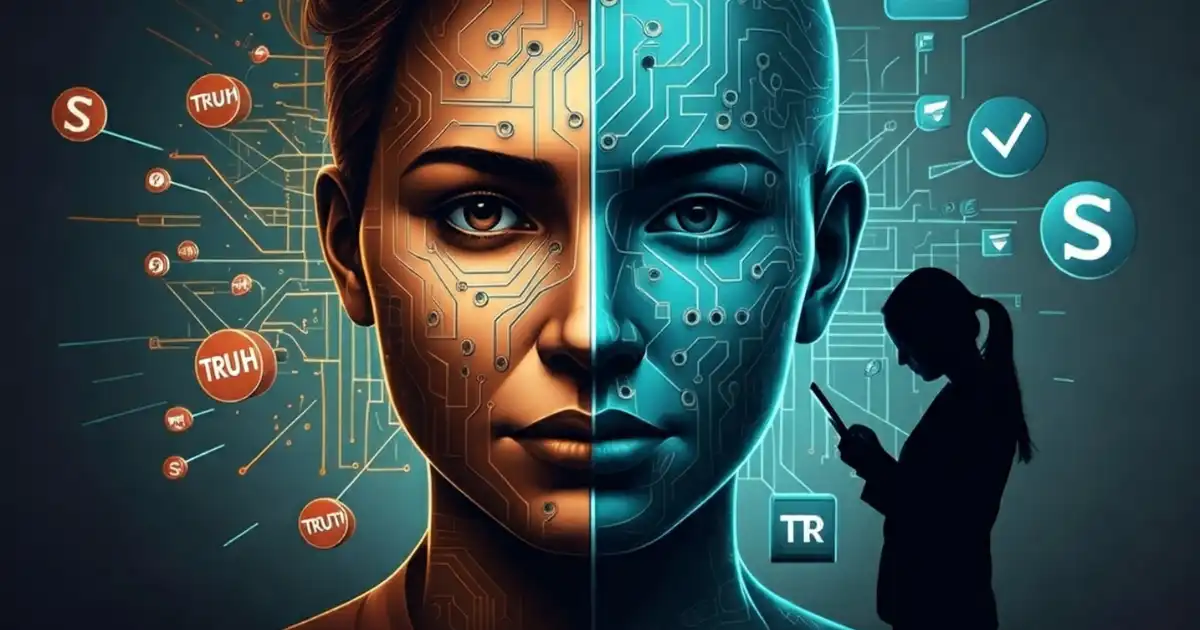
Manipulation of audio and video materials has become simpler than it has ever been. The emergence of deepfakes, which are AI-generated hyper-realistic pieces of content, is a vivid example of how AI can threaten trust in digital media. It is no longer a secret that political figures and celebrities alike are at the mercy of AI tools. Distrust, disruption of democracy, or the compromising of elections are just a few outcomes that could arise from the underhanded process of deepfakes. Here is the silver lining, however: AI is the problem, but it can also be the solution.
This article aims to outline how AI works to detect deepfakes, the tools actively working against them, and how those tools are defending democracy and freedom of speech.
The Use of Deepfake Technology Gaining Unprecedented Magnitude
The capability of deepfake technology enables the crafting of recordings that depict world leaders making statements that could be deemed as polarizing. Such statements could often ruin the leader’s reputation. Unfortunately, we live in a world where AI development has advanced to the stage where one is able to create audios, videos, and photos that are extremely realistic to the extent of manipulating one’s emotions and spreading misleading information. These fake materials can be created for political purposes, misinformation propaganda, or for some personal vengeance.
The use of technology is negatively impacting people’s trust in media. Manipulative media, in particular, is becoming easier to create. The accuracy of news provided by the media is an important aspect of democracy. The need for AI systems that monitor deepfakes is greater than ever.
How AI Helps AI Detect Deepfakes
Deepfake technology poses a serious threat to democracy, and AI takes this danger seriously. After all, when it comes to spotting deepfakes, AI is best. This is due to its advanced methods of machine learning and pattern detection that allow it to search for multiple inconsistencies in the digital content. The technology automatically analyzes movements of the human face, voice tone, and even extra, almost invisible details that deepfake technology might have added. All of these factors suggest that AI should be at the forefront of detecting deepfakes.
To spot deepfakes, an AI system requires advanced algorithms and neural networks that analyze many data points in a vast array of videos, images, and audio files. An AI system that spots deepfakes needs these tools for accurate detection. The advanced software allowing AI to check for deepfakes assists organizations, news agencies, and even governments to combat this issue.
The Use of Artificial Intelligence Technology in Combating Democracy’s Biggest Adversary
Democracy is threatened by deepfakes as their impact can change public perception, influence elections, or even lead to civil unrest. This technology can easily be abused by creating fake news or impersonating public figures, which can result in the dissemination of propaganda, influence the behavior of voters, or even destroy the reputation of a political candidate.
As human beings continue to rely on digital media for information and education, the need to detect deepfakes becomes very important. With deepfake detection methods, AI tools can help mitigate the spread of false narratives, therefore protecting people’s reputations while ensuring the integrity of political processes within democracy.
10 AI Tools Designed For Identifying Deepfakes
To address the problem of deepfakes, certain creative artificial intelligence tools have been created with the purpose of uncovering these digital lies. Let’s dive into the top ten tools that are helping prevent the deterioration of democracy due to this emerging threat.
Microsoft Video Authenticator
Microsoft’s Video Authenticator is one of the most sophisticated tools available since it uses AI to identify whether a video or photo has been altered. It offers a level of confidence score which assists users in estimating the credibility of the digital media. It works best with detecting deepfake videos and the subtle inconsistencies that come with them.
Deepware Scanner
Deepware Scanner is a robust mobile application created to detect deepfakes on the go. With the help of artificial intelligence, the application can scan pictures and videos for evidences of manipulation, which include facial expressions that seem too perfect and audio that sounds too good to be true. This tool is great for the news outlets, social media platforms, and virtually anyone trying to authenticate the digital content.
Sensity AI
Sensity AI is a deepfake detection platform that enables its users to scan videos, photos, and even voice recordings using machine learning to check for the presence of edits. The platform processes huge amounts of content in search of fake versions and uses complex algorithms along with pattern recognition to focus on possible deepfakes. Many social media companies and even government organizations use Sensity’s instruments to control and prevent misinformation.
Deep Fake Detection with Facebook AI
Facebook is working hard at implementing new artificial intelligence technologies that help in spotting deepfake videos on the platform. The company has machine learning algorithms that analyze videos and check for abnormalities which strikes AI detection for deepfake content. These tools are part of Facebook’s content moderation system which flags and removes harmful content automatically.
Amber Video
Amber Video is an AI tool that focuses specifically on videos. It aims to protect video integrity by using advanced deep learning models that automatically check and identify video manipulation, even the most sophisticated deepfakes. It is primarily intended for use by news organizations or government and all other entities that require video verification.
TruePic
TruePic is an AI-enabled photo and video verification tool that uses blockchain technology to validate the originality of digital media. TruePic claims to enable the detection of deepfakes so that many online users are not fooled into believing that the content shared online is real. This tool can help reduce the spread of fake news or false information most especially in social media.
DeepTrace
DeepTrace strives to use AI technology in detecting deepfakes portrayef in both images and videos. Using pixel-level data, DeepTrace parses fraudulent content to look for sogns of alteration like unnatural lighting or strange facial movements. This system is familiar among most firms that deal with the provision and consumption of content plagued by information and disinformation warfare.
Reality Defender
Reality Defender works as an AI tool for flagging media that has been altered. The service is powered by neural networks and machine learning and analyzes the details of video content like lighting, shadows, and even audio to find instances of deepfakes. Because of the instant output provided, users are guaranteed that the media they consume can be trusted.
FakeCatcher
Fakes are often referred to as hoaxes. In a bid to tackle this menace, some scholars from the University of Notre Dame developed FakeCatcher, a novel solution to deepfakes detection that comes with a stealthy level of accuracy. Unlike ordinary systems, FakeCatcher utilizes video content’s facial bloodflow or perfusion a much more advanced stratagy to detect deep fakes.
Serelay
Serelay offers a convenient solution for verifying the authenticity of digital images and videos using AI and blockchain technology. With its robust tampering detection capabilities, Serelay ensures that its users’ media is shared without any manipulated edits made to it. This tool is extremely important for journalists, investigators, and law enforcement personnel who need to maintain the quality of evidence and digital records.
How To Use AI Tools to Identify Deepfakes
Deepfakes have become more common these days, which has pushed several organizations, government bodies, and social media platforms to adopt AI-based deepfake identification tools for their content moderation and verification processes. As a regular person, you can also leverage these technologies to ensure that both the media you consume and share is real.
In this handout, we’ve included a few tips that can help you effectively implement these AI technologies:
Keep Up With The News:
The first thing you likely want to do is familiarize yourself with new technologies to keep deep fakes at bay. With advancements in AI, the methods available for detecting manipulations also keep changing. Regularly updating your knowledge helps ensure that you are not misled by fake content.
Employ the Verification Tools
The moment you suspect a video, picture or audio clip, utilize any of the midjourney deepfake detection tools like Sensity AI, Microsoft Video Authenticator or Reality Defender. A lot of these tools offer elaborate reports and percentages which makes distinguishing fake and authentic content more manageable.
Disseminate Your Evidence
In case it’s your first or they come across a deepfake, don’t forget to make it known to appropriate people or platforms. All platforms be it Facebook or Twitter are always trying to delete fake content but can only do so with the user’s assistance or AI.
Inform Others:
Assist in spreading the message about deepfakes and available means to detect them. Motivate your friends and family to fact check any digital content prior to holding it as the gospel truth or distributing it. Joining forces will ensure that the fight against misinformation will be effective.
You Might Be Interested In
- How Does Hosting Performance Optimization Improve Speed?
- What Are The 4 Basics Of Machine Learning?
- Military Operations Redefined: The Dynamic Impact of Artificial Intelligence
- Top 10 Green Data Centre Innovations Saving The Planet
- What Is A Data Centre And How Does It Work?
Conclusion
The danger of deepfakes needs to be taken seriously. The further technology progresses, the more advanced its detection must be. The detection of deepfakes using AI is one of the most effective ways to fight against the spread of disinformation frantically. With the aid of advanced AI tools, we can protect the truth while ensuring the preservation of democracy.
As informed citizens, it is our duty to educate ourselves about the risks of deepfakes and use the existing technologies to check the genuineness of digital content. Only together can we protect democracy from being disrupted by nefarious forces aimed at misleading the masses.
The more we accept the use of AI tools to fight against deepfakes, the closer we come to safeguarding the credibility of the information space and what democratic ideals represent.
FAQs about Ai Detects Deepfakes
Who develops softwares that identify deepfakes?
There are many systems that have been created to identify deepfakes or any deepfake detection tool. An example is the Real Time Deepfake Detector, designed and developed by Dr. Aleksey Goncharov of NPU. Such programs use sophisticated techniques of machine learning artificial intelligence, which scan video images and sound for ordinary deepfake manipulations. One of the principles almost all full automated systems is to capture blinking of a human eye – often automation of deepfake detection watcches for combination of an eye closure, facial expression, lighting, and background images. Automated systems may also identify disturbances that damage the set pixelation.
A lot of these AI tools work on the assumption of scrutinising generated and real imagery and videos so as to find patterns that differentiate real content from fake. Some systems focus on very small details, like eye movements or skin reaction to light – which deepfakes usually do not get right. While the technology is improving, so are the systems’ abilities to detect deepfakes, as the more sophisticated the system, the better it is at bypassing the lie-detection hurdle. Nevertheless, as the manipulation of media becomes more advanced, so too does the challenge of detecting deepfakes. The creators of deepfakes are always polishing their methods, and this leads to an arms race between the systems geared at creating deepfakes and those aimed at identifying and countering them.
How to Identify a Deepfake Image?
Knowing whether an image is a deepfake or not takes a keen eye for detail. Despite deepfake technology being so advanced to the level where even pro’s have a hard time identifying certain manipulations, there are still some signs that they may be fake. Start off by looking at the facial features as deepfake algorithms often struggle to replicate realistic human emotions, in terms of expressions. The face could have some lighting or shadow that does not go with the rest of the image and more often than not this indicates that the image has been tampered with. In addition, deepfake technology has a hard time rendering hairs so if hair strands look abnormally blended with the rest of the face, it is possible they have been altered.
An image’s context is equally as important as the image itself. Look to see if the image is found within a sensationalized or viral context, as these are common places deepfakes are found. If the image is not verified, then it is likely not authentic. Probing image searches are helpful in determining if an image has been changed or used elsewhere. Videos containing deepfakes may also offer clues; some images behind the main subject of the video may not match with the rest of the video. Often, backgrounds in deepfakes are oddly blurry or unrealistic because AI has a difficult time crafting plausible settings around altered faces. With time and practice, these subtle signs can be identified more confidently and make spotting deepfakes easier.
Is it harmful to view deepfakes?
Watching deepfakes may be unethical, psychological, or both depending on the content. It can be problematic when deepfakes are used to deceive, manipulate or further misinformation. Deepfakes can show public figures in embarrassing or degrading situations which can later on affect their reputation or get people to wrongly form opinions of them. This is most dangerous in political situations where deepfakes can be utilized to manipulate elections or spread false information. There are ramifications for viewing this kind of media without critically thinking about it, it leads to unsolved dilemmas regarding trust.
Moreover, deepfakes can alter beliefs and blur the lines between real and fake. Watching deepfake videos that exaggerate or completely make up events can turn into people’s beliefs and perceptions, especially when the technology is deployed in places where it is not obvious that it is fake. People could develop Psychological effects, as they may start doubting the credibility of real media they come across, which makes them more doubtful or confused. Even if some deepfake content is produced for comedic or satire reasons, all deep fake content should be treated with suspicion, especially if it is provocative or appeals to emotions. With the advancement of technology, there is a need to tell real content and altered content apart.
Are deepfakes traceable?
Yes, though tracing deepfakes is not easy, it can be done. The ease of tracing them depends on the quality of the deepfake and the tools available for detection. Tracing a deepfake usually involves checking its metadata and all the footprints it has left digitally. Experts search for evidence and signatures of the software which could indicate the software’s name that was used for the creation. Some AI models specialize in tracing the sources of deepfakes by spotting the distinct patterns related to certain deepfake generation techniques.
Nevertheless, as technology improves, the ability to trace deepfakes becomes more difficult. Algorithms that create deepfakes are becoming more sophisticated and capable of producing high quality results, making tracing the media to its source much more difficult. Regardless, the greater adoption of tools to detect deepfakes and AI-powered forensic tools have made it possible to trace and reveal the sources of numerous fake media. These tools are increasingly being used by law enforcement and cybersecurity units to locate the producers of harmful deepfakes, especially when used for malicious misinformation campaigns. With the advancements in digital forensics, there will definitely be more efficient ways of tracing deepfakes, and that will enable us to hold their creators accountable.
Is deepfake detection a challenge?
As time passes and advanced tools for AI creation deepen their roots, it becomes nearly impossible to hold the power to detect deepfakes. One could argue that it was easy to detect early deepfakes since they lacked meaningful contouring. They included features like non-simultaneous eye blinking, distorted facial muscles, and blurry backgrounds. Given these features, the introduction of advanced tools for creating deepfakes made content more and more real by the day. Having said all of this, it is highly unlikely to spot modern deepfakes with the naked eye as they require an extremely high degree of precision, further making them more blurring to the eye.
While deepfake technology has made significant progress, it is still possible to identify deepfakes, although doing so requires human specialized knowledge and AI detection tools to be the most effective. It is indeed possible to fake someone’s identity through software tools and algorithms that analyze some facial movements, lighting adjustment discrepancies, and even digital artifacts that the usual observer cannot see. Nevertheless, aided by the creation tools, deepfake detection still stays a difficult issue to resolve. As detection is further developed, it becomes increasingly important for people to be careful and wary about unchecked media, as the risks of being trapped by deepfake content can be dire.
