

Imagine a world where a missing person is found in minutes, a criminal suspect is identified in a crowd of thousands, and terrorism plots are thwarted before they begin—all with a single scan of a face. Sounds like science fiction? It’s not. It’s the real-world power of AI facial recognition in the hands of law enforcement.
Across the globe, police departments and intelligence agencies are rapidly adopting AI facial recognition to solve crimes faster, strengthen national security, and keep the public safe. This technology has become a game-changer—combining artificial intelligence with real-time data to identify people with uncanny accuracy. But how exactly does it work? And what are the risks and ethical concerns?
Whether you’re a curious citizen, a tech enthusiast, or a concerned parent, understanding how AI facial recognition is shaping modern policing is crucial. You deserve to know the facts, benefits, challenges, and boundaries of this powerful tool that’s quietly transforming justice systems.
Read on for a comprehensive guide that breaks down everything you need to know about AI facial recognition in law enforcement. By the end, you’ll walk away informed, empowered, and able to join the global conversation around security and privacy in the digital age.
What Is AI Facial Recognition?
AI facial recognition is a technology that identifies or verifies individuals by analyzing and comparing patterns based on their facial features. It uses machine learning algorithms to process visual data and match it against a database of stored images.
This tech goes beyond basic surveillance—it analyzes unique face structures, from the distance between the eyes to the curvature of the jawline, and assigns a digital identity to a face in seconds.
How Does Facial Recognition Work?
Facial recognition generally involves the following steps:
1. Face Detection:
Cameras detect a human face in a video or image feed.
2. Face Mapping:
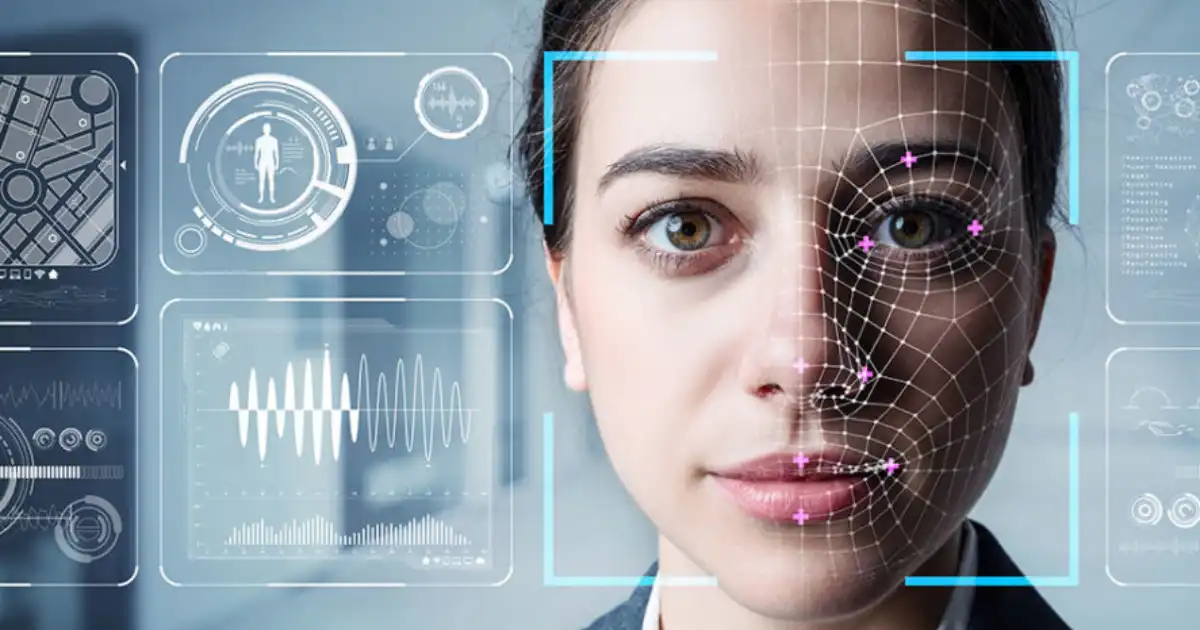
The system creates a digital map of the face using landmarks (such as eyes, nose, and mouth) to create a faceprint.
3. Face Comparison:
This faceprint is then compared to entries in a facial recognition database.
4. Match or No Match:
If a match is found, the identity is confirmed. If not, the system may store the faceprint for future comparison.
All of this happens in seconds thanks to AI facial recognition.
The Role of AI in Facial Recognition
Without artificial intelligence, facial recognition would be slow and prone to error. AI supercharges this process by:
-
Improving recognition accuracy
-
Learning from previous errors (machine learning)
-
Adapting to lighting, angles, and facial changes
-
Automating massive data analysis
AI enables real-time surveillance with minimal human oversight—making it indispensable for law enforcement.
Real-Life Examples of Facial Recognition in Law Enforcement
1. FBI’s Next Generation Identification (NGI) System
The FBI has used AI facial recognition since 2014 through its NGI system. It helps identify suspects by comparing mugshots, ID photos, and even social media images.
2. China’s “Sharp Eyes” Program
China’s nationwide surveillance program uses AI-enhanced facial recognition to monitor public spaces. It helped locate over 1,300 fugitives in its first year alone.
3. London Metropolitan Police
The UK’s Met Police uses facial recognition in high-risk areas to identify known criminals and prevent potential threats.
4. India’s Delhi Police
In 2020, Delhi Police claimed to have used AI facial recognition to identify 3,000 suspects involved in riots, using CCTV and public footage.
Benefits of AI Facial Recognition for Police
1. Faster Crime Solving
Time is critical in solving crimes. Facial recognition helps officers identify suspects or missing persons in real-time.
2. Enhanced Public Safety
By scanning large crowds, authorities can detect potential threats or fugitives, especially during public events.
3. Cost Efficiency
Reducing manual investigations saves time and resources.
4. Missing Persons Recovery
AI facial recognition has reunited countless families by locating missing persons in public footage or transit stations.
5. Terrorism Prevention
Agencies can monitor persons of interest at borders, airports, and public events.
Privacy and Ethical Concerns
While the benefits are clear, AI facial recognition has sparked major debates around privacy and civil rights.
1. Surveillance Overreach
Constant monitoring may feel invasive, especially when used without public knowledge.
2. Misidentification
False positives, especially with racial bias in algorithms, can lead to wrongful arrests.
3. Lack of Consent
In many regions, people are being scanned without their knowledge or permission.
4. Data Security Risks
If law enforcement databases are hacked, sensitive biometric data could be leaked.
Global Adoption: Who’s Using What?
-
USA
FBI, ICE, and local police departments
-
China
National surveillance and police departments
-
Russia
Integrated into Moscow’s 100,000+ CCTV network
-
UK
Used in counterterrorism and riot control
-
India
Used in riots, elections, and airport security
-
Australia
Integrated into visa and passport checks
Each country adapts AI facial recognition differently based on its legal framework and public sentiment.
Legal Framework and Policies
United States
There’s no federal regulation yet, but some cities like San Francisco and Portland have banned police use of facial recognition.
European Union
The EU’s General Data Protection Regulation (GDPR) imposes strict rules on biometric data collection and use.
China
Minimal privacy protection; government-backed surveillance is widely accepted.
India
No comprehensive law yet, but court cases have raised serious concerns about unchecked use.
Regulations will play a crucial role in the future development and trust of AI facial recognition technologies.
Technology Partners and Tools Used
Several private companies provide facial recognition tools to law enforcement:
-
Clearview AI
Scrapes public images to build massive facial databases
-
NEC
Offers advanced biometric systems
-
Amazon Rekognition
Used by some police departments (now paused due to ethical concerns)
-
Face++ (China)
Powers the country’s mass surveillance system
-
IDEMIA
French company offering AI-powered facial verification tools
Challenges in Implementation
1. Accuracy vs. Speed Trade-offs
High-speed recognition may reduce accuracy. Balancing the two is key.
2. Public Trust Issues
Without transparency, the public may resist or protest use.
3. Technical Limitations
Poor lighting, masks, or facial obstructions can reduce reliability.
4. Budget Constraints
Smaller police departments may not afford advanced systems.
5. Legal Gray Zones
Lack of clear laws makes implementation tricky and often controversial.
Future Trends of AI Facial Recognition in Policing
1. Real-Time Threat Detection
Systems will be able to alert officers of potential threats in real-time before crimes happen.
2. Emotion Recognition
Some AI models are being trained to recognize emotional states like anger, fear, or stress—adding another layer of insight.
3. Cross-Border Facial Tracking
International cooperation might allow facial data sharing to fight terrorism globally.
4. Smarter, Less Biased Algorithms
Advances in AI ethics are reducing racial/gender biases in recognition models.
5. Body-Worn Facial Recognition
Police body cams may soon use live facial recognition, helping officers identify people on the spot.
Comprehensive Guide to Facial Recognition Best Practices
To ensure responsible use, agencies should follow these steps:
Step 1: Public Transparency
Let the public know where and when facial recognition is being used.
Step 2: Use Only in Serious Crimes
Limit usage to major investigations (e.g., terrorism, kidnapping, murder).
Step 3: Regular Audits
Independent bodies should audit facial recognition systems to avoid misuse.
Step 4: Racial and Gender Bias Testing
Ensure the algorithm works equally well for all ethnicities and genders.
Step 5: Data Storage Limits
Don’t store biometric data indefinitely. Set a clear timeline for deletion.
Step 6: Legal Compliance
Abide by local, national, and international laws regarding biometric data use.
Step 7: Officer Training
Train officers on how to responsibly use AI facial recognition, including understanding limitations and accuracy.
You Might Be Interested In
- Top 10 Challenges Of Managing Modern Data Centres
- Why Can Confidence Scores Leak Training Data?
- What Are 3 Examples Of Neural Network?
- Top 5 Ways Ai In Health Improves Patient Care
- What Is Artificial Neural Network?
- 7 Ai Tools Helping Small Businesses Outcompete Giants
- Why Does Underfitting Happen After Heavy Regularization?
- How Do Smart Home Gadgets Work?
- Generative AI Empowering Cybersecurity: Threat or Triumph in National Defence?
- What Are Ai Regulatory Compliance Standards?
Conclusion
AI facial recognition has already revolutionized modern law enforcement. From identifying criminals to finding missing children, its benefits are undeniable. But with great power comes great responsibility.
We stand at a crossroads. If used ethically, with transparency and strict oversight, AI facial recognition can enhance safety and efficiency in ways never before possible. But if abused, it risks turning democracies into surveillance states and citizens into data points.
As this technology continues to evolve, it’s up to governments, developers, and everyday citizens to demand ethical standards, champion privacy rights, and ensure AI facial recognition remains a tool for justice—not control.
FAQs about Ai Facial Recognition
How does facial recognition help law enforcement?
Facial recognition helps law enforcement by making it easier to identify and track suspects, especially when there are no other leads. If a security camera captures a face at a crime scene, facial recognition software can compare that image with a database of known individuals, like mugshots or ID photos, to find a match. This can save a lot of time and effort that officers would otherwise spend looking through files manually.
It also helps in finding missing people or identifying individuals who might be using fake identities. When used carefully, it can speed up investigations and improve public safety. However, it’s important that law enforcement uses this tool responsibly and respects people’s privacy rights, so that the technology doesn’t get misused or wrongly accuse innocent people.
How can AI be used in facial recognition?
AI, or artificial intelligence, is what makes facial recognition software smart and accurate. It helps computers learn how to detect and analyze human faces by studying lots of images and learning the patterns in facial features like eyes, noses, jawlines, and more. AI can recognize even small differences in appearance and match faces from different angles or in different lighting.
Over time, AI gets better at identifying faces because it keeps learning from new data. It can also recognize faces faster than a human can and spot details that people might miss. This technology is especially useful in large crowds, airports, or stadiums, where it’s hard for police or security to watch everyone. AI helps make facial recognition much more powerful and reliable.
Is AI facial recognition legal?
Whether AI facial recognition is legal depends on the country or even the state or city. In some places, the government allows its use with rules to protect privacy, while in other places, it is limited or even banned for public use. For example, some cities in the U.S. have passed laws that prevent police from using facial recognition because of concerns about civil rights and the risk of false identification.
The key issue is balancing safety with personal privacy. People worry about being watched all the time or being wrongly identified, especially people of color, who studies show are more likely to be misidentified by some systems. So, while AI facial recognition can be legal, it often comes with regulations to make sure it’s used fairly and doesn’t harm innocent people.
How does the FBI use facial recognition?
The FBI uses facial recognition to support investigations by helping identify suspects, witnesses, or victims. They have access to several facial recognition systems that can search through databases like mugshots, driver’s licenses, and other government records. If they get an image from a crime scene, they can use facial recognition to compare it against these databases and find possible matches.
This tool helps them solve crimes faster and more accurately, especially in cases where time is critical. However, the FBI is required to follow strict guidelines and privacy rules when using this technology. They also review matches carefully to make sure they don’t rely only on facial recognition, because it’s not always 100% accurate. They use it as part of a larger investigation, not as the only proof.
How is face detection and recognition used in criminal identification?
Face detection and recognition are used to find and confirm the identity of people involved in crimes. Face detection means the computer first finds a face in a photo or video. After that, facial recognition steps in to figure out whose face it is by comparing it to known images in a database. This helps police identify suspects even when they don’t know their name.
For example, if someone robs a store and the camera captures their face, facial recognition can help identify that person if their image is already in the system. It’s also useful in airports or at large events to spot people who are wanted or missing. While it’s a powerful tool, it has to be used carefully to avoid mistakes and protect innocent people from being wrongly accused.
