


Edge computing has emerged as a pivotal paradigm in modern computing, revolutionizing how data is processed, stored, and managed. Unlike traditional centralized approaches, edge computing distributes computational tasks to the periphery of the network, closer to the data source.
This comprehensive guide will delve into the underlying concept of edge computing, elucidating its principles, benefits, and implications across various industries.
What is Edge Computing?
Fog Computing entails the decentralization of data processing tasks, pushing computing resources closer to where data is generated or consumed. By leveraging edge devices such as routers, gateways, and IoT sensors, computational tasks are executed locally, reducing latency and bandwidth usage. This distributed architecture enables real-time data analysis and quicker response times, crucial for applications requiring low latency and high reliability.
Key Components of Edge Computing

Edge Devices:
These are the endpoints where data is generated or consumed, such as sensors, smartphones, and IoT devices. Edge devices facilitate local data processing and act as the frontline for collecting and transmitting information.
Edge Servers:
These are intermediate nodes located closer to the edge devices, capable of processing and storing data locally. Edge servers enhance computational capabilities and support applications that demand real-time processing.
Edge Data Centers:
These are regional facilities located closer to end-users, providing additional computational resources and storage capacity. Edge data centers play a vital role in delivering low-latency services and supporting edge computing infrastructure.
How Fog Computing Works
Fog Computing operates on the principle of proximity, aiming to minimize the distance between data sources and computational resources. When a data-generating event occurs, such as a sensor reading or user interaction, the data is processed locally at the edge device or server. Only relevant information or insights are transmitted to centralized data centers for further analysis or storage. This distributed approach optimizes network bandwidth and reduces reliance on centralized infrastructure.
Benefits of Edge Computing
-
Reduced Latency:
By processing data closer to its source, Fog Computing significantly reduces latency, ensuring faster response times for critical applications like autonomous vehicles and industrial automation.
-
Bandwidth Optimization
Edge computing minimizes the volume of data transmitted across networks, leading to more efficient bandwidth utilization and lower operational costs.
-
Enhanced Security
Distributing computational tasks across multiple edge devices enhances data security by minimizing exposure to potential cyber threats and reducing the risk of data breaches.
-
Scalability
Fog Computing offers scalable solutions that can adapt to fluctuating workloads and accommodate the growing demands of IoT-enabled applications.
-
Resilience:
The decentralized nature of edge computing enhances system resilience by eliminating single points of failure and ensuring continuity of operations even in the event of network disruptions.
Implications of Edge Computing
Edge computing has profound implications across various industries, driving innovation and transforming business operations. In sectors such as healthcare, manufacturing, and retail, Fog Computing enables real-time monitoring, predictive maintenance, and personalized customer experiences. Moreover, edge computing empowers edge AI applications, facilitating autonomous decision-making and intelligent data analysis at the edge of the network.
Comparing Edge Computing and Cloud Computing
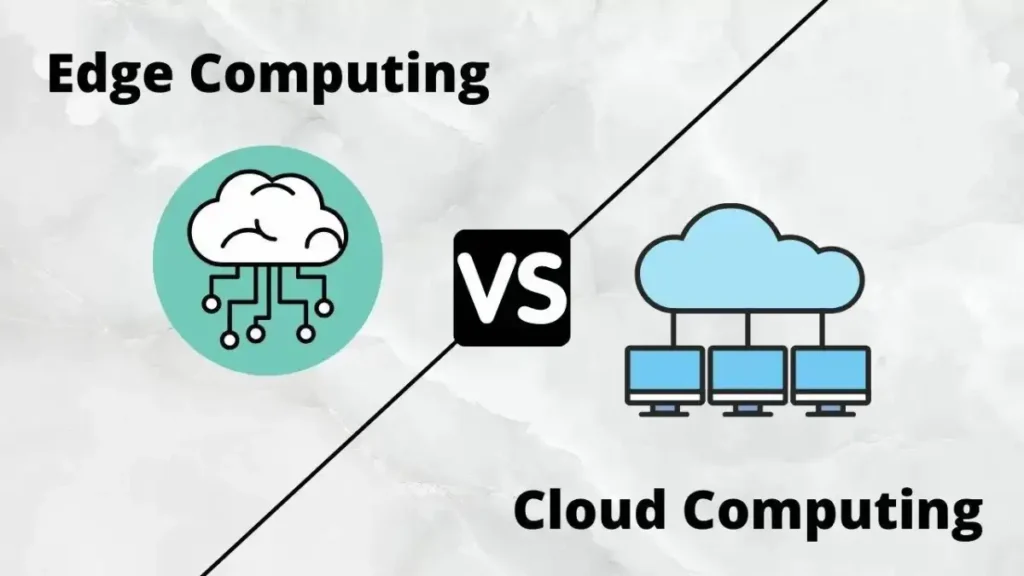
Edge computing and cloud computing represent two distinct paradigms in modern computing, each offering unique advantages and use cases. This comparative analysis will delve into the underlying concepts of Fog Computing and cloud computing, elucidating their architectures, functionalities, and deployment scenarios.
Architecture
Fog Computing:
Fog Computing follows a decentralized architecture, distributing computational tasks to edge devices and servers located closer to the data source. This distributed approach enables real-time data processing and reduces reliance on centralized infrastructure.
Cloud Computing:
Cloud computing adopts a centralized architecture, wherein computational tasks are executed on remote servers hosted in data centers. Users access cloud resources over the internet, leveraging scalable infrastructure and pay-as-you-go pricing models.
Functionality
Edge Computing:
Edge computing prioritizes low-latency processing and real-time analytics, making it ideal for applications requiring immediate insights and rapid decision-making. Fog Computing is well-suited for use cases such as IoT, edge AI, and autonomous systems.
Cloud Computing:
Cloud computing offers scalable computing resources and on-demand services, catering to a wide range of workloads and applications. Cloud computing facilitates data storage, application deployment, and collaborative workflows across geographically dispersed teams.
Use Cases
Edge Computing:
Edge computing is deployed in scenarios where latency, bandwidth, and data locality are critical factors. Common use cases include autonomous vehicles, industrial automation, remote monitoring, and immersive multimedia experiences.
Cloud Computing:
Cloud computing is utilized for applications requiring scalable infrastructure, centralized data management, and collaboration. Use cases include software as a service (SaaS), platform as a service (PaaS), infrastructure as a service (IaaS), and big data analytics.
When to Choose Edge Computing vs. Cloud Computing
Edge Computing:
Opt for Fog Computing when low latency, real-time processing, and data sovereignty are paramount. Fog Computing is well-suited for applications demanding immediate insights and localized decision-making.
Cloud Computing:
Choose cloud computing for scalable infrastructure, cost-effective resource provisioning, and centralized data management. Cloud computing is ideal for applications with variable workloads, collaborative workflows, and global accessibility.
Conclusion
In conclusion, edge computing and cloud computing offer distinct yet complementary approaches to modern computing challenges. While Fog Computing prioritizes low latency and real-time analytics at the network periphery, cloud computing provides scalable infrastructure and centralized services over the internet.
By understanding the underlying concepts and use cases of edge computing and cloud computing, organizations can make informed decisions to meet their specific requirements and achieve their strategic objectives.
You Might Be Interested In
- How To Turn Off 5g On Iphone?
- What are 4 Types Of Biotechnology?
- What are 7 Types Of Robotic Arms?
- Which Goals Are Available In Google Analytics?
- How Cloud Hosting Supports Websites?
Frequently Asked Questions
How does Fog Computing differ from cloud computing?
Edge computing distributes computational tasks to the edge of the network, whereas cloud computing relies on centralized data centers for processing and storage. While Fog Computing prioritizes low latency and real-time processing, cloud computing offers scalable infrastructure and centralized services accessible over the internet.
What are some common use cases of edge computing?
Common use cases of edge computing include autonomous vehicles, industrial automation, smart cities, and real-time analytics for IoT devices. Edge computing is deployed in scenarios where immediate insights, low latency, and data locality are critical for decision-making and operational efficiency.
How does edge computing enhance data security?
Fog Computing enhances data security by minimizing data exposure and reducing reliance on centralized infrastructure. By processing sensitive information locally at the edge of the network, Fog Computing reduces the risk of unauthorized access, data breaches, and cyber threats, thus enhancing overall data protection and privacy.
What are the challenges associated with implementing Fog Computing?
Challenges associated with implementing edge computing include managing edge devices at scale, ensuring interoperability across heterogeneous environments, and addressing concerns regarding data privacy and regulatory compliance. Additionally, optimizing resource allocation, mitigating latency issues, and maintaining system resilience are key considerations for successful Fog Computing deployments.
How does Fog Computing contribute to sustainability initiatives?
Fog Computing contributes to sustainability initiatives by optimizing network bandwidth, reducing data transmission, and minimizing energy consumption associated with centralized data centers. By processing data locally at the edge of the network, edge computing reduces the need for extensive data transfers over long distances, thus minimizing carbon emissions and supporting environmentally friendly computing practices.
