

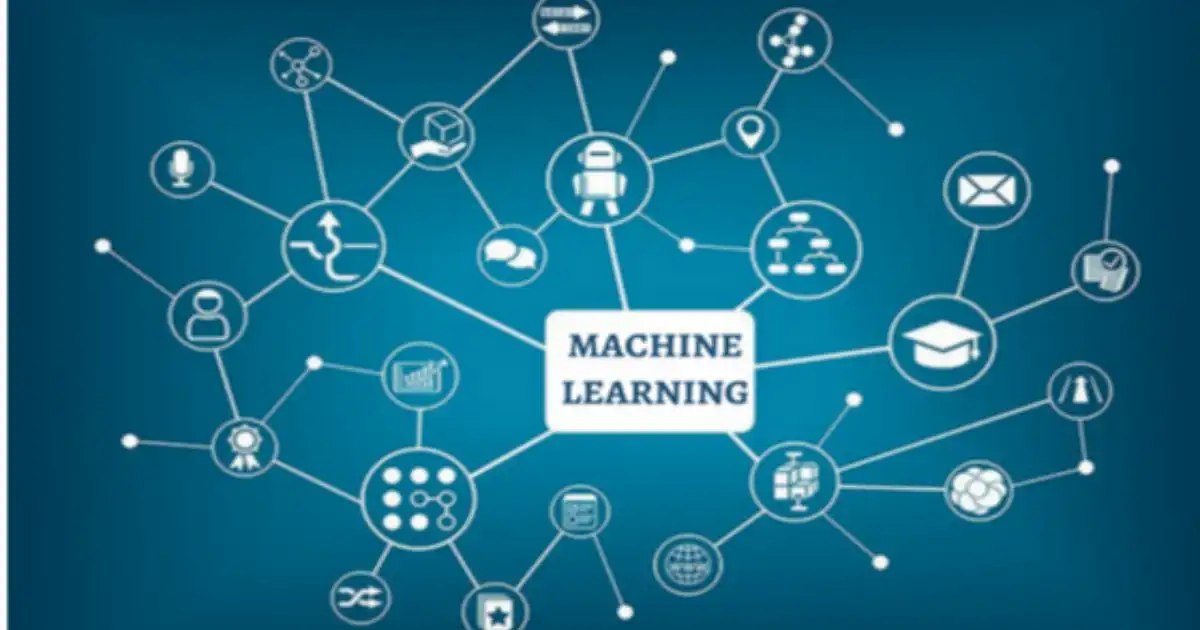
Imagine walking into a classroom where every lesson feels tailor-made for you. No more boredom from lessons that are too easy. No more frustration from concepts that seem impossible. Instead, the material adapts—just like a personal tutor—meeting your needs, your pace, and your learning style. This isn’t science fiction. It’s the power of Machine Learning driving adaptive learning.
In traditional education, one-size-fits-all teaching leaves gaps for some students while overwhelming others. But what if technology could monitor a learner’s progress in real time, predict where they might struggle, and adjust accordingly? This is exactly what happens when Machine Learning is applied to adaptive learning systems. It’s not about replacing teachers—it’s about equipping them with tools that personalize learning for each student.
From online courses to corporate training and even K–12 classrooms, Machine Learning is revolutionizing how we learn. It analyzes patterns, identifies weaknesses, and delivers content in ways that engage and challenge without overloading. The result? Better retention, higher motivation, and faster mastery.
In this comprehensive guide, you’ll discover how Machine Learning transforms adaptive learning, the technologies behind it, the benefits, challenges, and the future it promises. Whether you’re an educator, a student, or a tech enthusiast, you’ll see why Machine Learning for adaptive learning truly rocks—and how you can harness it.
Understanding Adaptive Learning
Adaptive learning is an educational approach that uses technology to adjust the pace, path, and content of learning to meet individual needs. Traditional learning models deliver the same material to everyone, regardless of skill level. Adaptive learning flips that model.
It collects data about learners—such as their quiz scores, time taken per task, and engagement level—and adjusts the curriculum accordingly. The better the system can “understand” the learner, the more effectively it can deliver personalized education.
What is Machine Learning?
Machine Learning is a subset of artificial intelligence that allows systems to learn from data and improve over time without being explicitly programmed. Instead of following a fixed set of rules, Machine Learning algorithms detect patterns, make predictions, and adapt based on new information.
In the context of education, Machine Learning doesn’t just process data—it transforms it into actionable learning strategies. It can predict when a student is likely to get stuck, determine which concepts they have mastered, and suggest the next best learning step.
How Machine Learning Powers Adaptive Learning
Here’s how Machine Learning integrates with adaptive learning platforms:
Data Collection
Every interaction—clicks, pauses, answers, revision frequency—is recorded. This data forms the foundation for Machine Learning models.
Pattern Recognition
The system uses algorithms to recognize learning behaviors. For example, if a student consistently answers math problems quickly and correctly, the system infers mastery.
Prediction
By analyzing historical data, the model predicts future performance. If it anticipates difficulty in a certain topic, it adjusts the content before the learner even struggles.
Content Adaptation
Finally, the platform personalizes lessons—simplifying, intensifying, or changing the medium (video, text, simulation)—based on the learner’s profile.
Core Benefits of Machine Learning in Adaptive Learning
Personalization at Scale
Teachers can personalize lessons for a handful of students, but Machine Learning can do it for thousands simultaneously.
Improved Engagement
Learners stay motivated because the content is challenging enough to be engaging but not so hard that it becomes discouraging.
Faster Mastery
By focusing on weak areas and reinforcing strengths, learners progress faster.
Real-Time Feedback
Machine Learning models provide instant feedback, which is crucial for reinforcing correct understanding.
Key Technologies and Algorithms
Several algorithms power Machine Learning in adaptive learning:
-
Decision Trees
Determine the best next step based on a learner’s past performance.
-
Neural Networks
Mimic the human brain to detect complex patterns.
-
Reinforcement Learning
Continuously adapts by learning from success and failure outcomes.
-
Natural Language Processing (NLP)
Helps systems understand and respond to written or spoken learner inputs.
Real-World Applications
-
K–12 Education
Platforms like DreamBox use Machine Learning to personalize math lessons.
-
Corporate Training
Companies use adaptive learning to upskill employees efficiently.
-
Language Learning
Apps like Duolingo rely on Machine Learning to adapt vocabulary and grammar lessons based on progress.
-
Higher Education
Universities integrate adaptive systems into online courses for personalized pacing.
Challenges and Considerations
Data Privacy
Sensitive student data must be protected.
Algorithm Bias
If training data is biased, adaptive learning recommendations may be skewed.
Accessibility
Systems must work for diverse learners, including those with disabilities.
The Future of Adaptive Learning with Machine Learning
Future adaptive learning systems will:
-
Use Machine Learning to analyze emotional engagement through facial recognition and voice tone.
-
Integrate virtual and augmented reality for immersive personalized experiences.
-
Predict not just academic outcomes but also career readiness.
Step-by-Step Guide to Implementing Machine Learning in Adaptive Learning
-
Define Objectives
Identify the learning outcomes you want to achieve.
-
Collect Data
Use assessments, user interactions, and behavioral tracking.
-
Choose the Right Algorithm
Select models suitable for your data and goals.
-
Train the Model
Feed historical data into the algorithm.
-
Deploy and Monitor
Integrate the model into your learning platform and monitor its effectiveness.
-
Refine Continuously
Update models with new data for improved accuracy.
You Might Be Interested In
- What Does Harvest Now, Decrypt Later Mean for Archived Data?
- How Ai In Security Prevents Cyber Attacks?
- How AI transform the future of healthcare industry?
- What Machine Learning As A Service Offers For Developers?
- Why Is Cybersecurity Awareness Important?
- How Do Wireless Earbuds Connect?
- How Many LLMS Are There?
- What Is Multi Cloud Architecture And Why Is It Used?
- Why Ai-powered Radiology Imaging Is A Game Changer?
- How Is Ai Incorporated Into Higher Education?
Conclusion
Machine Learning is not just a technological buzzword—it’s the engine driving the next revolution in education. Adaptive learning powered by Machine Learning offers personalized, efficient, and engaging learning experiences that were once unimaginable. By continuously analyzing learner data, predicting needs, and adjusting content, these systems ensure that education meets the unique needs of every individual.
The implications are vast—from helping struggling students catch up to allowing advanced learners to accelerate beyond traditional limits. While challenges like data privacy and algorithm bias remain, the potential benefits far outweigh the hurdles. With thoughtful implementation, Machine Learning can make adaptive learning the gold standard in education.
In the coming decade, the synergy between Machine Learning and adaptive learning will likely shape the way humans acquire knowledge, making education more accessible, inclusive, and impactful than ever before.
FAQs about Machine Learning
What is adaptive learning in machine learning?
Adaptive learning in machine learning refers to a teaching or training method where the system changes its approach based on the learner’s performance and needs. Instead of using a “one-size-fits-all” method, adaptive learning systems continuously collect data about the learner’s strengths, weaknesses, speed, and preferred style of learning. This information helps the system adjust the difficulty, pace, and type of content presented. The goal is to create a personalized learning experience so that each person learns in the most effective way for them.
In machine learning, adaptive learning relies on algorithms that can process and analyze learner data in real time. These algorithms identify patterns in the learner’s responses and decide the next step—whether that’s giving a simpler explanation, a more complex problem, or extra practice. This not only makes learning more engaging but also increases retention and understanding, because the system responds directly to how the learner is performing at that moment.
What machine learning techniques are used to predict rock strength parameters?
Several machine learning techniques are applied to predict rock strength parameters, especially in geology, mining, and civil engineering. Common approaches include regression algorithms such as linear regression, support vector regression (SVR), and decision trees. These techniques analyze historical data about rock samples—such as density, porosity, and mineral composition—to find relationships between measurable features and rock strength. Once trained, these models can estimate the strength of new rock samples without extensive physical testing.
More advanced methods, like artificial neural networks (ANNs) and ensemble learning techniques (such as random forests and gradient boosting), are often used because they can capture complex, non-linear relationships in the data. These models learn from large datasets and can consider multiple factors at once, making them more accurate. By predicting rock strength parameters efficiently, engineers can save time, reduce costs, and improve safety in construction and mining projects.
How is machine learning used in various walks of life?
Machine learning is used in many areas of everyday life, often without people realizing it. In healthcare, it helps doctors diagnose diseases by analyzing medical images, patient records, and genetic data. In education, it powers adaptive learning platforms that personalize lessons for students. In finance, it detects fraud by recognizing unusual transaction patterns. Even entertainment services like Netflix or Spotify use machine learning to recommend movies, shows, and songs based on your preferences.
It is also used in transportation through navigation apps that predict traffic, ride-sharing platforms that match drivers and passengers, and self-driving car technology. In agriculture, machine learning helps farmers predict crop yields, detect plant diseases, and optimize irrigation. These examples show how machine learning touches almost every field, improving efficiency, accuracy, and convenience in both professional work and daily activities.
How does the integration of machine learning algorithms contribute to adaptive learning pathways?
When machine learning algorithms are integrated into adaptive learning pathways, they allow the system to constantly adjust the learning journey for each user. The algorithms process information about a learner’s behavior—like how quickly they answer, which mistakes they make, and what topics they master easily. Based on this, the system can choose the most suitable next step, whether it’s reviewing a concept, moving to a harder topic, or offering alternative explanations.
This creates a dynamic, evolving pathway instead of a fixed, linear one. The result is that each learner progresses at their own pace, focusing on areas that need improvement while skipping over what they already understand. Over time, the system becomes even more accurate as it gathers more data, making the learning experience increasingly personalized and effective.
How is AI used in adaptive learning?
AI is the core technology behind adaptive learning, enabling systems to “think” and “decide” how to adjust the learning process. It uses techniques like natural language processing (NLP) to understand questions and responses, predictive analytics to forecast a learner’s performance, and machine learning algorithms to make real-time adjustments. For example, if a student struggles with a math concept, the AI might provide extra examples, step-by-step explanations, or even switch to a different teaching style to make it easier to understand.
AI also helps in tracking progress over time, identifying learning patterns, and even motivating learners through personalized feedback and challenges. By doing so, it ensures that each learner gets a custom experience that maximizes understanding and retention, making education more engaging and efficient.
