

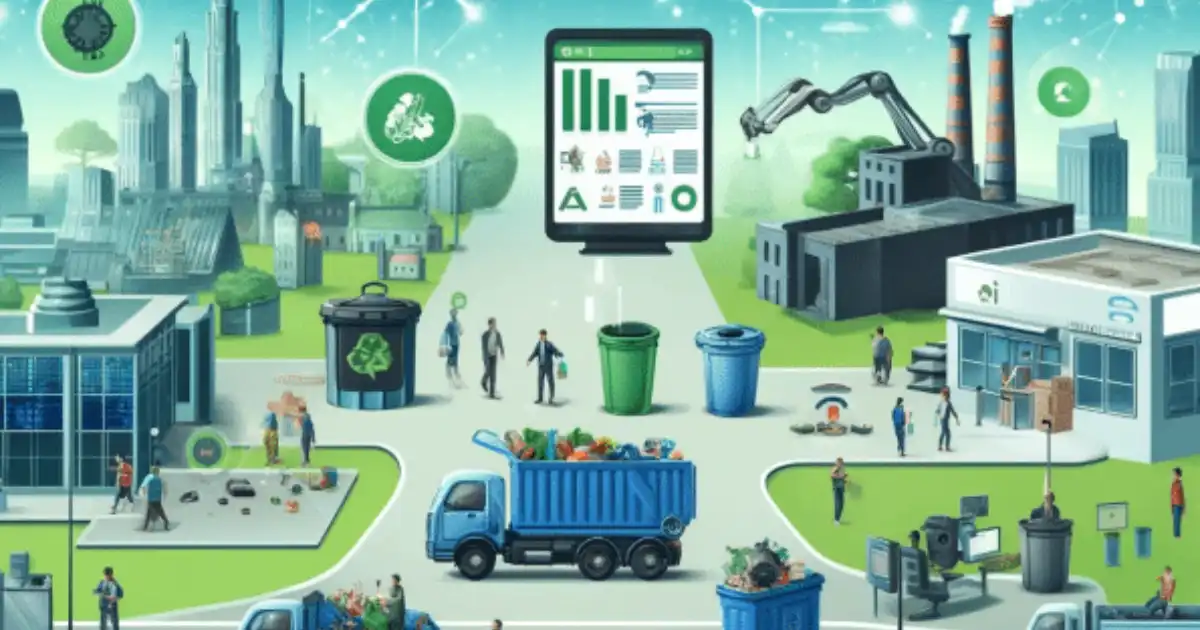
Smart Waste Management is becoming a critical need for modern cities as populations grow and waste volumes increase every year. Traditional waste systems struggle with overflowing bins, inefficient collection routes, rising costs, and environmental damage.
This is where artificial intelligence steps in as a powerful solution. By combining data, sensors, and intelligent algorithms, Smart Waste Management can transform how cities collect, process, and reduce waste. How Can Ai Improve Smart Waste Management In Cities?
Smart Waste Management uses AI-powered waste management tools to make waste systems faster, cleaner, and more efficient. From predicting waste generation to optimizing collection schedules, AI helps city authorities make smarter decisions. As urban areas aim to become more sustainable and livable, Smart Waste Management supported by artificial intelligence is no longer optional—it is essential.
This comprehensive guide explains how AI improves Smart Waste Management, its real-world applications, benefits, challenges, and future potential, all in clear and simple language.
Basics of Smart Waste Management
Smart Waste Management refers to the use of digital technologies to improve how waste is monitored, collected, transported, and processed. It moves away from fixed schedules and manual inspections toward data-driven decision-making.
At the core of Smart Waste Management systems are sensors, connected devices, cloud platforms, and artificial intelligence in waste management. These technologies work together to track waste levels, analyze patterns, and automate operations.
AI-powered waste management systems learn from historical and real-time data. This allows cities to predict problems before they happen. For example, instead of emptying all bins daily, AI can identify which bins actually need service.
The Role of Artificial Intelligence in Waste Management
Artificial intelligence in waste management plays the role of the “brain” behind Smart Waste Management. AI algorithms analyze massive amounts of data collected from smart bins, trucks, cameras, and weather systems.
Machine learning models detect patterns in waste generation. Computer vision systems recognize different types of waste. Predictive analytics forecast future waste volumes. Together, these AI tools help cities run cleaner and more efficient waste operations.
Unlike traditional systems, AI-based waste collection improves over time. The more data it processes, the smarter and more accurate it becomes.
AI-Powered Waste Collection Optimization
One of the biggest benefits of Smart Waste Management is optimized waste collection. AI-based waste collection systems replace fixed routes with dynamic routes.
Sensors installed in waste bins send data about fill levels. AI analyzes this information and creates the most efficient collection routes for trucks. This reduces fuel consumption, travel time, and labor costs.
AI-powered waste management also helps avoid overflowing bins. When bins reach a certain level, alerts are sent automatically. This keeps streets clean and improves public satisfaction.
Intelligent Waste Monitoring with Smart Sensors
Intelligent waste monitoring is a key part of Smart Waste Management. Smart bins use sensors to measure fill levels, temperature, and even odors.
AI analyzes sensor data to detect unusual patterns. For example, a sudden temperature rise may indicate a fire risk. AI can alert authorities before a dangerous situation occurs.
With intelligent waste monitoring, cities gain real-time visibility into their waste systems. This leads to faster responses and better planning.
Waste Sorting and Recycling Using AI
Smart Waste Management is not only about collection. AI also improves waste sorting and recycling processes.
Computer vision systems can identify plastics, metals, paper, and organic waste on sorting lines. AI-powered robots separate waste more accurately than humans. This increases recycling rates and reduces contamination.
Artificial intelligence in waste management helps recycling plants operate faster and safer. It also supports circular economy goals by recovering valuable materials.
Predicting Waste Generation Patterns
AI excels at prediction, which is vital for Smart Waste Management. By analyzing historical data, population trends, weather, and events, AI can forecast waste generation.
For example, festivals or holidays often increase waste. AI-powered waste management systems prepare for these peaks by adjusting resources in advance.
Predictive models help cities avoid underestimating or overestimating waste needs. This leads to balanced budgets and smoother operations.
Reducing Operational Costs with AI
Smart Waste Management significantly lowers operational costs. AI-based waste collection reduces fuel usage by optimizing routes. Fewer trips mean lower vehicle maintenance costs.
AI also reduces labor costs by automating scheduling and monitoring tasks. Workers can focus on higher-value activities instead of manual inspections.
Over time, AI-powered waste management systems deliver strong returns on investment, making them attractive for city governments.
Environmental Benefits of Smart Waste Management
Environmental protection is a major goal of Smart Waste Management. AI reduces greenhouse gas emissions by cutting unnecessary truck trips.
Better recycling powered by artificial intelligence in waste management decreases landfill use. Less waste in landfills means lower methane emissions and reduced soil pollution.
Smart Waste Management also supports cleaner cities, improved air quality, and healthier ecosystems.
Improving Public Health and Safety
Overflowing bins attract pests and spread disease. Smart Waste Management prevents this by ensuring timely collection.
Intelligent waste monitoring detects hazardous waste and unsafe conditions. AI can identify sharp objects, chemicals, or medical waste in public bins.
By improving cleanliness, AI-powered waste management enhances public health and safety across cities.
AI and Citizen Engagement in Waste Management
Smart Waste Management also improves communication between cities and citizens. Mobile apps powered by AI allow residents to report waste issues.
AI analyzes citizen feedback and identifies problem areas. This helps authorities respond faster and build trust with communities.
Some AI-powered waste management platforms also educate citizens on recycling rules, encouraging responsible behavior.
Smart Waste Management in Smart Cities
Smart Waste Management is a core component of smart cities. It integrates with traffic systems, energy grids, and environmental monitoring platforms.
For example, AI-based waste collection routes can adjust based on traffic data. This reduces congestion and saves time.
Artificial intelligence in waste management supports broader urban sustainability goals and improves overall quality of life.
Real-World Examples of AI-Powered Waste Management
Many cities around the world have adopted Smart Waste Management solutions.
Some use intelligent waste monitoring to reduce collection frequency by up to 50%. Others use AI-powered waste management to improve recycling accuracy.
These examples show that Smart Waste Management is not theoretical. It is already delivering measurable results in real cities.
Challenges in Implementing AI in Waste Management
Despite its benefits, Smart Waste Management faces challenges. High initial costs can be a barrier for smaller cities.
Data privacy and security are also concerns. AI systems must protect sensitive city data.
Additionally, successful artificial intelligence in waste management requires skilled staff and proper infrastructure. Without these, AI systems may not perform well.
Overcoming Barriers to Adoption
Cities can overcome challenges by starting small. Pilot projects allow testing AI-powered waste management before full-scale deployment.
Public-private partnerships can reduce costs and bring technical expertise. Training programs help workers adapt to new technologies.
With the right strategy, Smart Waste Management can be implemented successfully even in developing cities.
The Future of Smart Waste Management with AI
The future of Smart Waste Management is highly promising. Advances in AI will make systems more accurate and autonomous.
Future AI-based waste collection may include self-driving trucks and fully automated sorting facilities.
As technology improves, Smart Waste Management will become more affordable, scalable, and impactful for cities of all sizes.
Ethical and Social Considerations
Artificial intelligence in waste management must be used responsibly. Transparency in decision-making is important.
Cities should ensure AI-powered waste management does not replace jobs without providing reskilling opportunities.
Ethical AI use builds public trust and ensures long-term success.
Why Cities Must Act Now
Urban waste is growing faster than ever. Delaying Smart Waste Management adoption will increase costs and environmental damage.
AI-powered waste management offers proven solutions today. Cities that act early gain economic and environmental advantages.
Smart Waste Management is not just about technology. It is about creating cleaner, healthier, and more sustainable cities.
You Might Be Interested In
- Why Do Feature Distributions Matter in Model Monitoring?
- What Is Managed Cloud Hosting?
- How Masdar City Implements A Circular Economy?
- How Does Ai Improve Customer Service In Fintech And Digital Banking?
- Using Ai To Predict And Maintain City Infrastructure
- How The VA Uses Ai To Detect Kidney Disease?
- Why Ai In Crowd Behavior Analysis Matters?
- How Does Ai Customer Support Automation Improve Response Times?
- What Is Machine Learning In Medical Diagnostics?
- Top 10 Green Data Centre Innovations Saving The Planet
Conclusion
Smart Waste Management represents a major shift in how cities handle waste. By using artificial intelligence in waste management, cities move from reactive systems to proactive and predictive ones. AI-powered waste management improves efficiency, reduces costs, and protects the environment.
From AI-based waste collection and intelligent waste monitoring to advanced recycling and data-driven planning, AI touches every stage of the waste lifecycle. These systems learn, adapt, and improve over time, making them ideal for fast-growing urban areas.
As cities face increasing waste challenges, Smart Waste Management provides a clear path forward. Investing in AI today ensures cleaner streets, healthier communities, and a more sustainable future for generations to come.
FAQs about How Can Ai Improve Smart Waste Management In Cities?
Why smart Waste Management is a modern approach to handling city?
Smart Waste Management is a modern approach to handling city waste using digital technologies, data, and automation. Instead of relying on fixed schedules and manual checks, it uses real-time information from sensors, connected devices, and software platforms. Artificial intelligence is important because it acts as the decision-making system that analyzes this data. AI identifies patterns in waste generation, predicts when bins will fill up, and helps city authorities plan better waste operations.
Without AI, Smart Waste Management systems would only collect data but not fully use it. AI-powered waste management turns raw data into useful insights. It helps cities reduce overflowing bins, cut unnecessary collection trips, and improve overall cleanliness. This makes waste systems more efficient, cost-effective, and environmentally friendly.
How does AI-based waste collection work?
AI-based waste collection works by combining smart sensors, GPS, and intelligent algorithms. Sensors placed inside waste bins continuously measure fill levels and send this data to a central system. Artificial intelligence in waste management analyzes this information to decide which bins need immediate collection and which can wait.
Using this analysis, the system creates optimized routes for garbage trucks. These routes change dynamically based on real-time data, traffic conditions, and waste levels. As a result, Smart Waste Management reduces fuel usage, saves time, and prevents bins from overflowing, leading to cleaner streets and happier citizens.
Can AI improve recycling rates?
Yes, AI can significantly improve recycling rates by making waste sorting faster and more accurate. In recycling facilities, AI-powered waste management systems use cameras and computer vision to identify different materials such as plastic, glass, metal, and paper. These systems can recognize items even when they are mixed or dirty.
Artificial intelligence in waste management also powers robotic arms that separate recyclable materials with high precision. This reduces human error and contamination, which are major problems in recycling. As a result, more waste is recycled correctly, less ends up in landfills, and Smart Waste Management supports a more sustainable and circular economy.
Is Smart Waste Management expensive to implement?
At first, Smart Waste Management may seem expensive because it requires sensors, software, and technical infrastructure. However, these costs are usually short-term investments. Over time, AI-powered waste management helps cities save money by reducing fuel consumption, labor costs, and vehicle maintenance.
AI-based waste collection ensures that trucks only go where needed, which lowers operational expenses. Many cities recover their investment within a few years due to improved efficiency. In the long run, Smart Waste Management is often more affordable than traditional waste systems that rely on manual processes.
What is the future of intelligent waste monitoring?
The future of intelligent waste monitoring is highly advanced and data-driven. As sensor technology improves, waste bins will collect even more detailed information, such as weight, type of waste, and potential hazards. Artificial intelligence in waste management will analyze this data to predict problems before they occur.
In the coming years, intelligent waste monitoring will become more automated and accurate. Smart Waste Management systems will be able to prevent fires, detect hazardous waste, and plan collections days in advance. This will make city waste systems safer, smarter, and more reliable than ever before.
