

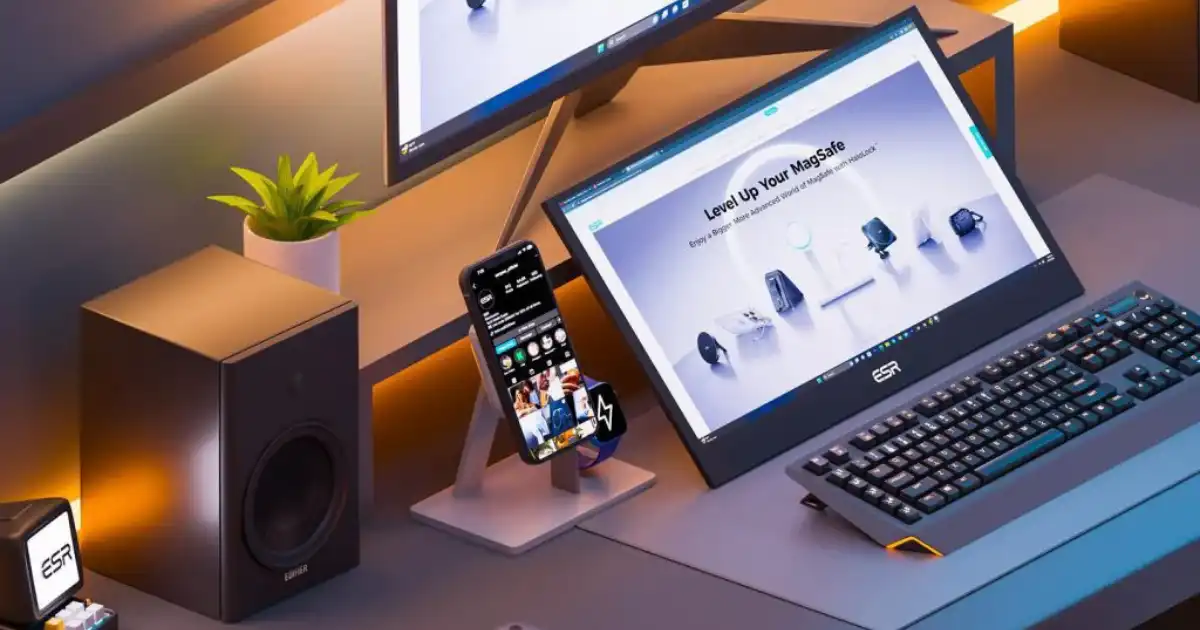
I’ve noticed that the biggest reason people start using smart gadgets is usually not because they are interested in technology itself. They simply want fewer small frustrations during the day. A light that is always forgotten, a door that needs checking twice, a room that becomes too hot, or a reminder that slips through a busy schedule — these are the everyday problems where smart devices become useful.
Technology has moved far beyond simple electronic devices that only perform one fixed task. Traditional gadgets worked when a person manually controlled them. A normal light switch needed someone to turn it on. A regular thermostat needed someone to adjust the temperature. A basic alarm clock only rang at a set time.
Smart gadgets changed this approach by adding sensors, internet connectivity, software, and automation. These devices can collect information, understand situations, and respond automatically. A smart light can turn on when someone enters a room. A smart watch can track activity throughout the day. A smart assistant can manage reminders while someone is cooking or working.
The growth of smart home technology and connected devices is mainly happening because people want convenience, better control, and more efficient ways to manage daily tasks. However, owning more technology does not automatically make life easier. The most useful smart gadgets are the ones that solve real problems instead of simply adding another device to manage.
What Are Smart Gadgets?
A smart gadget is an electronic device that can collect information, process data, connect with other devices, and perform actions with less human input. The “smart” part does not mean the device is intelligent like a human. It means the device can make decisions based on information it receives.
A traditional gadget usually follows direct instructions. For example, a normal fan turns on when someone presses a button. A smart fan can detect temperature changes, connect to a mobile app, respond to voice commands, and adjust settings automatically.
Smart gadgets typically rely on several important technologies working together.
Sensors allow devices to understand what is happening around them. A smart thermostat uses temperature sensors. A smart watch uses motion sensors and heart rate sensors. A security camera uses movement detection sensors.
Internet connectivity allows smart devices to communicate. Many IoT devices (Internet of Things devices) connect through Wi-Fi, Bluetooth, or other wireless technologies so users can control them remotely.
Mobile applications give people a way to manage devices. A smart plug, for example, can be controlled from a smartphone even when someone is away from home.
Artificial intelligence helps some smart gadgets analyze information and make better decisions. AI-powered gadgets can learn patterns and provide more personalized responses over time.
The difference between a normal device and a smart device is not only connectivity. A device becomes truly useful when it can reduce effort, automate tasks, or provide information that helps people make better decisions.
How Do Smart Gadgets Work?
Many people use smart devices every day without understanding what happens behind the scenes. The process is actually quite simple when broken down.
Sensors Collect Information
Every smart gadget starts by gathering information from its surroundings. Sensors act like the device’s way of observing the world.
A smart security camera uses motion sensors to detect activity. A smart thermostat measures room temperature. A fitness tracker collects information about movement, heart rate, and sleep patterns.
For example, a smart light does not simply know when to turn on. It may use a motion sensor to detect someone entering a room, a light sensor to determine whether the room is already bright enough, and programmed settings to decide what action should happen.
These sensors continuously provide information that allows smart devices to respond instead of waiting for manual instructions.
Data Processing and AI Decisions
After collecting information, the device needs to understand what that information means.
Some processing happens directly inside the device. Other smart devices send data to cloud servers where more powerful computing systems analyze it.
For example, a smart speaker receives a voice command, converts the audio into digital information, processes the request, and then provides an answer. A smart thermostat may analyze temperature patterns and adjust heating or cooling based on previous behavior.
AI and machine learning help intelligent devices improve over time. A smart home system may recognize regular routines, such as lowering lights in the evening or adjusting temperature before people usually arrive home.
However, not every smart gadget uses advanced AI. Many simply use basic automation rules that are programmed by users.
Automatic Actions
The final step is the device taking action.
A smart thermostat changes temperature settings. A smart lock allows remote access. A smart assistant creates reminders or controls connected devices.
This automation is where people usually notice the biggest benefits. Instead of repeatedly performing small tasks, users create systems that handle those tasks automatically.
For example, someone can create a “leaving home” routine where smart lights turn off, doors lock, and security cameras activate with one command.
Ways Smart Gadgets Make Life Easier
Smart Gadgets Automate Repetitive Tasks
The most practical benefit of smart gadgets is automation. Many daily activities are simple but repetitive, and smart devices can handle them without constant attention.
A smart light can follow a schedule and turn on before someone arrives home. A robot vacuum cleaner can clean floors automatically instead of requiring someone to remember the task. A smart coffee maker can prepare coffee at a chosen time.
The value is not just saving a few seconds. It is reducing mental effort.
In my experience, people underestimate how much energy they spend remembering small tasks. Automation removes some of those decisions from daily life.
However, automation only helps when it is designed properly. I’ve seen people buy expensive smart gadgets that they rarely use because the device never solved an actual problem. A smart device should reduce work, not create another complicated system to maintain.
Smart Home Devices Improve Comfort and Convenience
Smart home technology has become one of the most common areas where people experience the benefits of connected devices.
Smart lighting allows users to adjust brightness, colors, and schedules. Someone working late can create a softer lighting environment without walking around changing every bulb manually.
Smart thermostats help manage indoor comfort by adjusting temperature based on preferences and schedules. They can also provide information about energy habits.
Smart entertainment systems allow people to control televisions, speakers, and streaming devices through voice commands or mobile apps.
Smart appliances are also becoming more common. A smart washing machine can send notifications when a cycle finishes. A smart oven can allow remote monitoring.
The important point is that a connected home is not about making every object smart. It is about making daily activities easier where automation actually helps.
Smart Gadgets Improve Home Security
Security is one of the strongest reasons people invest in smart devices.
Smart cameras, smart doorbells, smart locks, and motion sensors allow homeowners to monitor their property remotely. Someone can receive an alert when movement is detected or check who is at the door while away.
A smart doorbell can be useful for deliveries because homeowners can see visitors without opening the door. Smart locks can allow temporary access for family members or service providers without sharing physical keys.
However, smart security devices also introduce privacy concerns. Cameras and microphones collect sensitive information, and users need to understand where that data is stored and who can access it.
False alerts can also become annoying. A poorly configured motion sensor may send notifications because of pets, changing light conditions, or passing vehicles.
Smart security improves awareness, but it does not replace basic security practices such as strong locks, careful habits, and proper privacy settings.
Smart Wearables Help Track Health and Fitness
Wearable technology has become one of the most popular categories of smart gadgets.
Smart watches and fitness trackers can monitor activity levels, heart rate, sleep patterns, and exercise performance. They help users understand their habits and encourage healthier routines.
For example, someone who sits for long periods may receive movement reminders. A person training for a fitness goal can track progress over time.
The biggest advantage is awareness. These devices help people notice patterns they may not have seen before.
However, smart wearables should not be treated as medical replacements. They can provide useful information, but professional medical advice is still necessary for health concerns.
Smart Gadgets Improve Productivity
For remote workers, students, and professionals, smart devices can improve organization and workflow.
Voice-controlled devices can create reminders, manage calendars, and answer simple questions without interrupting work. Smart displays can show schedules, weather updates, or important notifications.
A remote worker might use smart lighting to create a better working environment. A student might use digital assistants to organize study reminders.
The real productivity benefit comes from reducing interruptions and managing information more effectively.
A smart gadget should support existing habits, not become another distraction.
Smart Gadgets Help Manage Energy Usage
Energy management is another practical area where smart devices can help.
Smart plugs allow users to control power usage remotely. Smart thermostats can provide information about heating and cooling patterns. Energy monitoring devices can show which appliances consume the most electricity.
These tools can help people understand their habits and reduce unnecessary usage.
However, buying smart devices does not automatically guarantee lower energy bills. Savings depend on how people use them. A smart thermostat that is constantly adjusted incorrectly may not provide meaningful benefits.
Popular Types of Smart Gadgets
Smart Home Devices
Smart home devices include products designed to improve everyday household tasks. Common examples include smart lights, smart speakers, smart plugs, and smart thermostats.
These devices are often the easiest starting point because they solve simple problems and are relatively easy to install.
Wearable Technology
Wearable technology includes smart watches and fitness trackers. These devices focus on personal tracking, communication, and health awareness.
They are popular because they provide useful information without requiring people to actively record everything manually.
Smart Kitchen Devices
Smart kitchen gadgets include smart refrigerators, smart ovens, and smart coffee makers.
Their usefulness depends heavily on personal habits. A smart coffee maker may be valuable for someone with a strict morning routine, while it may be unnecessary for someone who rarely drinks coffee.
Smart Security Devices
Smart cameras, locks, and sensors help homeowners monitor and control access to their property.
They are especially useful for people who want remote visibility and alerts.
Are Smart Gadgets Worth Buying?
Smart gadgets are worth buying when they solve a repeated problem.
If a device saves time every day, improves safety, or removes an annoying task, it can provide real value.
For example, a smart thermostat may be useful for someone who constantly adjusts temperature settings. A smart doorbell may be valuable for someone who receives frequent deliveries.
On the other hand, smart gadgets are often disappointing when people buy them because they seem interesting rather than useful.
Expensive devices with features that are rarely used become unnecessary costs. Complicated setup processes can also reduce the benefit.
The best approach is to identify a problem first and then find technology that solves it.
Limitations and Challenges of Smart Gadgets
Privacy Issues
Many smart devices collect data to provide their features. Cameras, microphones, and connected appliances may store information through cloud services.
Users should understand privacy settings, review permissions, and choose companies with reasonable security practices.
Security Risks
Connected devices can become targets if they are poorly protected.
Weak passwords, outdated software, and unsecured networks can create security problems. Regular updates and strong authentication methods are important.
Internet Dependency
Many smart devices depend on internet connections. If Wi-Fi stops working, some features may become unavailable.
A smart home should still function reasonably when internet access fails.
Compatibility Problems
Not all smart devices work well together. Different ecosystems may use different platforms, creating compatibility issues.
Before buying multiple devices, users should check whether they can communicate with each other.
Cost
Smart gadgets often cost more than traditional alternatives. Some also require subscriptions for advanced features.
The long-term cost should be considered before purchasing.
Future of Smart Gadgets
The future of smart gadgets will likely focus on better automation and personalization.
AI-powered gadgets will become better at understanding user habits and predicting needs. Smart homes may automatically adjust environments based on routines, preferences, and energy usage.
However, smarter does not always mean better. The most successful devices will be the ones that provide useful assistance without becoming complicated.
How to Choose the Right Smart Gadget
Start by identifying a real problem. Do not buy a smart device simply because it looks impressive.
Check compatibility with existing devices and consider whether the product will still be useful several years later.
Think about privacy and security before connecting any device to your home network.
The best smart gadget is usually the one that quietly helps in the background without demanding constant attention.
You Might Be Interested In
- How Smart Home Devices Work Together?
- How Consumer Technology Changes Daily Life?
- How Wearable Technology Tracks Health?
- Why Wireless Gadgets Are So Popular?
Conclusion
Smart gadgets make life easier because they remove unnecessary effort from everyday tasks. The value comes from practical improvements, such as automating routines, improving security, managing energy use, and helping people stay organized.
The best smart device is not the most advanced or expensive one. It is the device that solves a real problem and fits naturally into someone’s lifestyle.
Smart technology should support people’s lives, not create extra complexity. When chosen carefully, smart gadgets can become useful tools that quietly make daily routines simpler and more efficient.
The best approach is to choose smart gadgets that fit your lifestyle, understand their limitations, and consider privacy and security before connecting them. Smart technology should work quietly in the background, making daily life simpler without creating more problems to manage.
FAQs
How do smart gadgets make life easier?
Smart gadgets make life easier by reducing the amount of manual work people need to do throughout the day. They can automate common tasks such as adjusting lights, controlling temperature, managing reminders, monitoring security, and tracking personal activities. Instead of repeatedly performing the same actions, users can create routines where smart devices handle tasks automatically.
The biggest advantage of smart gadgets is the convenience they provide through small improvements. A smart lock can remove the need to carry physical keys, a smart assistant can help organize schedules, and a smart thermostat can adjust the environment based on preferences. However, the usefulness of a smart gadget depends on whether it solves a real problem. A device with many features is not valuable if those features are rarely used.
What are some examples of smart gadgets used in daily life?
Examples of smart gadgets used in everyday life include smart lights, smart speakers, smart watches, fitness trackers, smart plugs, smart thermostats, robot vacuum cleaners, smart cameras, smart doorbells, and smart kitchen appliances. Each device is designed to improve a specific part of daily life, whether it is comfort, security, productivity, or convenience.
For example, smart lights can automatically adjust brightness or turn on based on schedules, while smart speakers can control connected devices through voice commands. Smart watches can monitor activity and provide notifications, and smart security cameras allow homeowners to check their property remotely. The most useful devices are usually the ones that fit naturally into existing routines instead of requiring major lifestyle changes.
Do smart gadgets require the internet?
Many smart gadgets rely on internet connectivity to provide advanced features, but not every smart device completely depends on the internet. Some devices can still perform basic functions without an internet connection. For example, a smart light may still work manually through a physical switch, while certain voice assistants may lose most of their capabilities when disconnected.
Internet access is often required for remote control, cloud-based processing, software updates, and communication between different connected devices. Before purchasing a smart gadget, it is important to understand how much it depends on an internet connection and what features will continue working if the network goes offline.
Are smart gadgets safe to use?
Smart gadgets can be safe to use when they are properly configured and maintained. Like any internet-connected technology, they can create security risks if users ignore basic protection measures. Using strong passwords, enabling security features, updating device software, and carefully reviewing privacy settings can significantly improve safety.
Privacy is another important consideration because many smart devices collect information to provide their features. Cameras, microphones, and connected appliances may store data through cloud services. Users should understand what information a device collects, how it is used, and whether the manufacturer provides reliable security practices before adding it to their home or workspace.
Can smart gadgets save money?
Smart gadgets can help save money in certain situations, but they do not automatically reduce expenses. Devices such as smart thermostats, smart plugs, and energy monitoring systems can help users understand energy habits and reduce unnecessary usage. For example, a smart plug can prevent devices from running when they are not needed, and a smart thermostat can help manage heating and cooling more efficiently.
The amount of savings depends on how the devices are used. A person who buys an expensive smart appliance but does not use its energy-saving features may see little benefit. Smart technology is most valuable when it helps users make better decisions and improve existing habits rather than simply adding more technology to the home.
What smart gadgets are best for beginners?
For beginners, the best smart gadgets are usually simple devices that provide immediate benefits without complicated setup. Smart lights, smart plugs, smart speakers, and basic security devices are popular starting points because they are easy to install and demonstrate how smart technology works.
A good first smart gadget should solve a specific problem. Someone who often forgets to turn off lights may benefit from smart lighting, while someone who wants better home awareness may find a smart doorbell useful. Starting with one or two practical devices is usually better than purchasing many connected devices that may become difficult to manage. The goal should be creating a useful smart environment, not simply collecting smart technology.
