

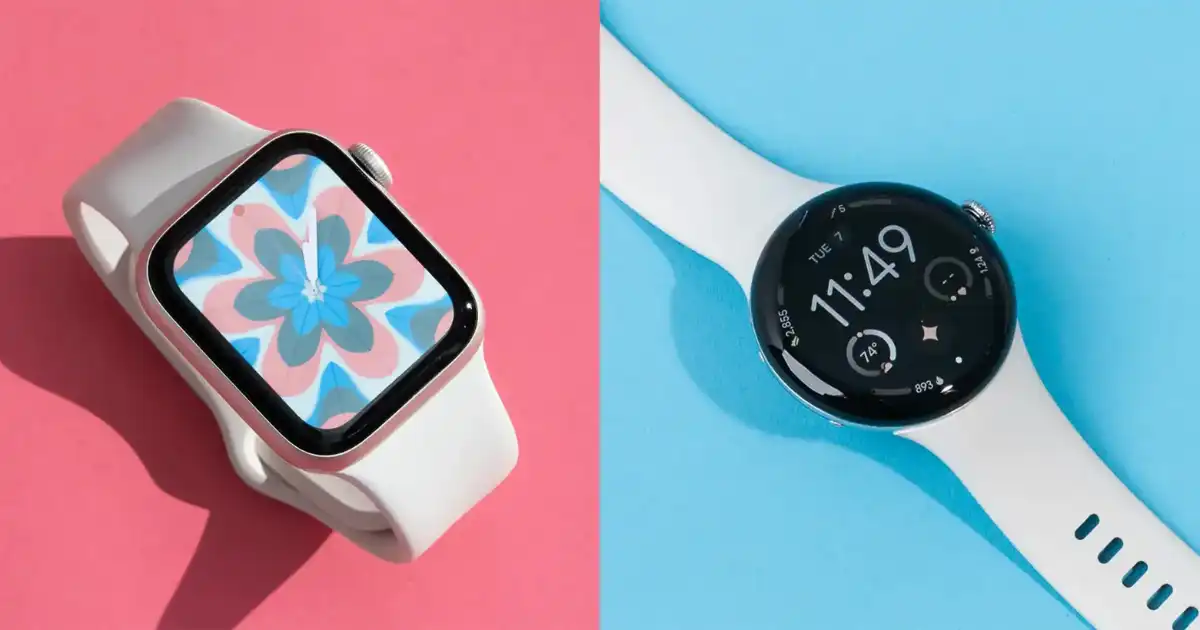
A few years ago, most people saw watches as simple devices that only showed time. Today, a smartwatch is closer to a small personal assistant that sits on your wrist. It can track your health, guide your workouts, show important notifications, help with navigation, monitor sleep patterns, and even support safety in emergencies.
The reason smartwatches have become popular is not because people needed another screen. The real value comes from solving small daily problems. Instead of constantly checking a phone, users can quickly see a message, track a workout, monitor their activity, or receive reminders without interrupting what they are doing.
So, how do smartwatch features improve daily life? They improve daily routines by turning personal data into useful information. A smartwatch does not magically make someone healthier or more productive, but it helps people become more aware of their habits and make better decisions.
For example, someone who rarely moves during office hours may start walking more because their smartwatch reminds them to stand up. A runner can improve performance by studying distance, pace, and heart rate data. A busy professional can manage calls and reminders without repeatedly reaching for a phone.
In my experience, the biggest misunderstanding about smartwatches is that people expect them to replace smartphones or act like medical devices. They are not replacements. They are wearable tools designed to make everyday interactions faster, easier, and more informed.
Modern smartwatch features combine sensors, software, mobile apps, and internet connectivity to create a connected experience. Whether someone uses a smartwatch for fitness, health tracking, communication, or convenience, the goal is the same: making daily life smoother.
What Is a Smartwatch?
A smartwatch is a wearable electronic device that looks like a traditional watch but includes advanced computing features. It has a touchscreen, processor, sensors, wireless connectivity, and software that allows it to perform tasks beyond displaying time.
A traditional watch only tells time. A smartwatch can measure activity, monitor heart rate, track sleep, display notifications, run apps, provide directions, and connect with other smart devices.
Think of a smartwatch as a bridge between your body, smartphone, and digital world.
Most smartwatches connect to smartphones through Bluetooth. Once connected, they can receive information from apps installed on the phone. For example, when someone receives a message, the phone sends that information to the watch, allowing the user to read it directly from their wrist.
Some advanced models can also operate independently through cellular connectivity. This allows users to make calls, stream music, or use GPS features without keeping their phone nearby.
Wearable technology has become useful because it collects information continuously. A smartphone usually stays in a pocket or bag, but a smartwatch stays attached to the body. This allows it to gather real-time information about movement, exercise, and health patterns.
Smart wearable devices have become especially popular among people who want better awareness of their lifestyle. Instead of guessing how active they are or how well they sleep, they can view patterns collected over days or weeks.
However, a smartwatch is only useful when users understand what the information means. The device collects data, but the user still needs to make decisions based on that data.
How Do Smartwatch Features Work?
The impressive part of a smartwatch is not just the screen or design. The real technology is hidden inside. Small sensors, software algorithms, and wireless connections work together to transform physical activity into understandable information.
A smartwatch continuously collects signals from the body and environment. The software then analyzes this information and presents it through apps and dashboards.
For example, when you walk, sensors detect movement. The watch processes those movements and estimates steps, distance, and calories burned. During exercise, it combines movement data with heart rate information to estimate workout intensity.
The accuracy and usefulness of smartwatch features depend on several factors, including sensor quality, software algorithms, how the watch is worn, and the activity being measured.
Sensors Inside Smartwatches
Smartwatch sensors are the foundation behind health monitoring and fitness tracking. Without sensors, a smartwatch would simply be a small touchscreen watch.
Heart Rate Sensors
Heart rate sensors are among the most common smartwatch health features.
Most smartwatches use optical sensors located on the back of the device. These sensors use small LED lights to detect changes in blood flow under the skin. The watch then estimates the number of heartbeats per minute.
Heart rate monitoring helps users understand how their body responds to different situations.
During exercise, it helps measure workout intensity. For example, a runner can see whether they are training at an easy pace or pushing too hard. During normal daily activities, unusual heart rate patterns may encourage users to pay attention to their health.
However, smartwatch heart monitoring has limitations. It is useful for general awareness, but it should not be treated as a replacement for professional medical equipment. Movement, loose fitting, skin contact, and device quality can affect readings.
The best way to use heart rate data is as a personal trend tracker rather than a medical diagnosis tool.
Accelerometers
An accelerometer detects movement and changes in speed.
This sensor helps the smartwatch understand activities such as walking, running, standing, or sleeping. When you move your wrist, the accelerometer detects those patterns and helps calculate steps and activity levels.
This is how activity tracking works in everyday situations.
For example, if someone spends most of the day sitting at a desk, the smartwatch may notice long periods of inactivity and send a movement reminder. This small notification can encourage healthier habits.
Gyroscopes
A gyroscope measures rotation and direction changes.
While accelerometers detect movement, gyroscopes help understand how the device is moving. Together, these sensors improve activity recognition.
For example, during a workout, the smartwatch can better identify whether someone is cycling, swimming, or performing different exercises.
These sensors also improve screen interaction. When users lift their wrist, the watch can recognize the movement and activate the display.
GPS Sensors
GPS is an important feature in many fitness-focused smartwatches.
A GPS smartwatch can track location, distance, speed, and routes during outdoor activities. Runners, cyclists, hikers, and travelers often rely on GPS tracking because they do not need to carry a phone separately.
For example, a runner can leave home, complete a route, and later review distance, pace, and location data through the smartwatch app.
GPS features are extremely useful, but they can affect battery life. Continuous location tracking requires more power, so users often need to balance accuracy with battery usage.
Temperature Sensors
Temperature sensors help smartwatches collect additional information about body and environmental conditions.
Some devices use temperature data as part of wellness tracking, sleep analysis, or health insights.
Temperature measurements alone do not tell the complete story about a person’s health, but when combined with other data points, they can help identify patterns.
Smartphone and App Integration
A smartwatch becomes much more useful when connected with smartphone apps.
The watch itself collects information, but apps organize and explain that information. Fitness apps show workout history, health apps display trends, and productivity apps manage reminders and schedules.
Bluetooth is the most common connection method between smartwatches and smartphones. It allows the two devices to exchange information without cables.
For example:
- A fitness app can store exercise history.
- A messaging app can send notifications to the watch.
- A calendar app can display upcoming appointments.
- A health app can show sleep and activity patterns.
Many smartwatches also use cloud storage. This means health and activity data can be synchronized across devices. If a user changes phones or opens the app on another device, their information can often remain available.
This connection between hardware, apps, and cloud services is what makes wearable technology practical.
Without software integration, a smartwatch would only collect numbers. With proper apps, those numbers become useful insights that help people understand their routines.
How Do Health Features Improve Daily Life?
Health monitoring is one of the biggest reasons people buy smartwatches today. Many users are not professional athletes or fitness experts. They simply want a better understanding of their daily habits.
Smartwatch health features focus on awareness. They help users notice patterns related to movement, sleep, exercise, and stress.
The important point is that smartwatches encourage attention. They do not create healthy habits automatically, but they make those habits easier to track.
Heart Rate Monitoring
Heart rate monitoring is one of the most widely used smartwatch features.
Many people use it during workouts to understand their effort level. Instead of exercising based only on feeling, users can see how their body is responding.
For example, someone starting a fitness routine may notice that their heart rate becomes lower during the same workout after several weeks. This can indicate improved fitness.
Heart rate information can also help during daily routines. Users may notice patterns such as higher heart rates during stressful situations or unusual changes during rest.
The limitation is important to understand. A smartwatch provides estimated readings, not complete medical analysis. It is a helpful personal tracking tool, but serious health concerns should always be discussed with healthcare professionals.
Sleep Tracking
Sleep tracking has become one of the most popular smartwatch health features.
Many people believe they sleep enough because they spend enough hours in bed. However, sleep quality depends on several factors, including interruptions, sleep consistency, and different sleep stages.
A smartwatch can estimate:
- Total sleep duration
- Sleep schedule patterns
- Rest periods
- Sleep consistency
For example, someone may discover that they sleep seven hours but wake up frequently during the night. This information can encourage better habits, such as maintaining a regular bedtime or reducing late-night screen use.
Sleep tracking is useful for identifying patterns, but it is not a perfect measurement system. Smartwatches estimate sleep using movement and heart-related data, so results should be viewed as guidance rather than absolute facts
How Do Health Features Improve Daily Life? (Continued)
Activity Tracking
Activity tracking is one of the simplest but most effective smartwatch features because it focuses on everyday movement.
Many people underestimate how inactive they are during a normal day. Sitting at a desk, watching television, or working for several hours without movement can become a habit without people realizing it.
Smartwatches help solve this problem by making activity visible.
Common activity tracking features include:
- Step counting
- Distance measurement
- Calories burned estimation
- Standing reminders
- Daily movement goals
For example, someone who usually takes only 2,000 steps a day may notice this number and gradually increase their movement. The smartwatch does not force them to exercise, but it creates awareness.
This is where the benefits of smartwatches become practical. Small reminders can influence daily decisions. A person may choose stairs instead of an elevator, take a short walk during a break, or spend less time sitting.
However, activity goals should be realistic. A common mistake is focusing only on numbers. Completing 10,000 steps does not automatically mean someone has a healthy lifestyle. Sleep, nutrition, stress management, and overall habits matter too.
A smartwatch is best used as a guide, not as a scorecard that creates unnecessary pressure.
Stress Monitoring
Stress monitoring is another feature that has become common in modern smart wearable devices.
Most smartwatches do not directly measure emotions. Instead, they analyze physical signals that may be related to stress, such as heart rate patterns and changes in activity.
Some devices provide stress scores, breathing exercises, or relaxation reminders.
For example, someone working in a demanding environment may notice that their stress levels often increase during certain hours. This awareness can help them recognize patterns and make adjustments, such as taking short breaks or practicing breathing exercises.
Digital wellness features are becoming more important because many people spend long periods connected to work, messages, and online activities.
The limitation is that stress measurement is not perfect. A higher heart rate may come from exercise, excitement, caffeine, or stress. Users should treat stress features as reminders for self-awareness, not as exact emotional measurements.
How Do Fitness Features Help People Stay Active?
Fitness is one of the strongest reasons people choose a smartwatch. Whether someone is a beginner starting a walking routine or an experienced athlete training for an event, fitness tracking can provide useful information.
A smartwatch for fitness works by combining multiple sensors. It uses movement detection, heart rate data, GPS information, and software analysis to understand exercise activities.
The real advantage is not simply recording workouts. It is helping users understand progress over time.
Workout Tracking
Modern smartwatches can track many types of workouts, including:
- Running
- Cycling
- Swimming
- Walking
- Strength training
- Indoor workouts
During exercise, the watch collects information such as duration, heart rate, distance, and estimated calories burned.
For example, a person who starts running may initially focus only on completing a distance. After using a smartwatch, they can understand whether their pace is improving, whether their heart rate stays controlled, and how their performance changes.
For gym users, workout tracking can help maintain consistency. They can record training sessions, monitor exercise frequency, and observe long-term progress.
However, smartwatches are not always perfect at identifying every exercise. Weight training, unusual movements, or activities involving limited wrist movement may be harder to measure accurately.
The best results come when users combine smartwatch data with their own understanding of how their body feels.
GPS Tracking
GPS tracking is one of the most valuable features for outdoor activities.
A GPS smartwatch uses satellite signals to determine location and calculate movement.
This allows users to track:
- Running routes
- Cycling distance
- Hiking paths
- Walking speed
- Outdoor workout locations
For someone who enjoys outdoor exercise, GPS removes the need to carry a smartphone just to track activity.
For example, a cyclist can explore a new route and later check distance, speed, and route history.
GPS is also useful for travelers. Navigation features can provide directions directly from the wrist, which is convenient when walking through unfamiliar areas.
The main disadvantage is battery consumption. GPS tracking uses more power than normal smartwatch functions, so users who frequently use GPS may need to charge their device more often.
Fitness Progress Monitoring
One of the biggest benefits of smartwatch fitness features is seeing improvement over time.
A single workout does not tell much. The real value comes from comparing activity across weeks and months.
A smartwatch can help users track:
- Workout frequency
- Exercise duration
- Performance changes
- Activity goals
- Fitness trends
For example, someone trying to improve running performance may notice that they can run the same distance with a lower heart rate after several months.
This measurable progress can be motivating because improvement becomes visible.
The mistake many people make is becoming obsessed with daily numbers. Fitness improvement is not always a straight line. Rest days, illness, stress, and lifestyle changes affect performance.
The best approach is using smartwatch data as feedback rather than a constant judgment.
How Do Smartwatch Features Improve Productivity?
Smartwatches are often associated with fitness, but many users find their productivity features equally valuable.
The biggest productivity advantage is reducing unnecessary phone checking.
Phones are powerful tools, but they can also become distractions. Every notification can create the habit of unlocking the screen and scrolling through unrelated content.
A smartwatch creates a simpler interaction.
Notifications Without Checking Your Phone
Smartwatch notifications allow users to see important information quickly.
Instead of taking out a phone every few minutes, users can glance at their wrist and decide whether something requires attention.
Common smartwatch notifications include:
- Calls
- Messages
- Emails
- Social media alerts
- Calendar reminders
- App updates
For example, during a meeting, someone may not want to check their phone repeatedly. A quick glance at the watch can show whether a notification is important or can wait.
This is especially useful for professionals, drivers, and people who frequently keep their phones away while working.
However, notifications can also become overwhelming. A smartwatch can reduce phone dependency, but if every app sends alerts, it simply creates another distraction on your wrist.
A good setup involves enabling only useful notifications.
Reminders and Time Management
Smartwatches are excellent tools for managing daily schedules.
They can provide:
- Calendar reminders
- Task notifications
- Alarm alerts
- Meeting reminders
- Medication reminders
Because the watch stays on the wrist, reminders are harder to miss.
For example, a professional moving between meetings may receive a gentle vibration reminder before the next appointment. Someone managing personal tasks can quickly add reminders without opening a phone or computer.
This small convenience can make daily organization easier.
Many people already use digital calendars, but smartwatches make those tools more immediate.
Voice Assistants
Voice assistants add another layer of convenience to smartwatches.
Users can perform simple tasks by speaking instead of typing.
Examples include:
- Setting reminders
- Creating calendar events
- Checking weather information
- Sending quick messages
- Controlling smart home devices
For example, while cooking, someone can set a timer without touching a phone. While walking, they can send a quick message using voice commands.
Voice assistants are helpful, but they are not perfect. Background noise, unclear speech, or limited internet connection can affect performance.
They work best for quick tasks rather than complex conversations.
How Do Smartwatches Improve Communication?
One of the most practical advantages of smartwatches is making communication faster without constantly using a smartphone.
In daily life, people often receive messages or calls at inconvenient moments. They may be driving, exercising, working, cooking, or simply trying to reduce screen time.
Smartwatch communication features solve this problem by bringing essential interactions directly to the wrist.
Calling Features
Many modern smartwatches allow users to answer or reject calls directly from their wrist.
Some models use Bluetooth through a connected smartphone, while others include cellular connectivity and can make calls independently.
This feature is especially useful in situations where reaching for a phone is inconvenient.
For example:
- Someone cooking can answer an important call without touching their phone.
- A runner can quickly check an incoming call during a workout.
- A professional can see who is calling during a meeting and decide whether it needs immediate attention.
However, smartwatch calling is not always the best replacement for a phone conversation. Small speakers and microphones work well for short conversations, but long calls are usually more comfortable on a smartphone.
Messaging and Quick Replies
Smartwatch messaging features allow users to read and respond to messages quickly.
Depending on the device, users may reply through:
- Pre-written responses
- Voice messages
- Voice-to-text typing
- Small keyboards
For simple communication, this is extremely convenient.
For example, replying “I will call you later” from a smartwatch takes only a few seconds. There is no need to take out a phone.
The goal is not to replace full conversations but to handle quick interactions efficiently.
Voice Commands
Voice commands make communication even easier.
Users can send messages, create reminders, or search information by speaking.
This is particularly helpful when hands are busy or when typing on a small screen would be inconvenient.
The technology has improved significantly, but voice recognition still depends on internet connection, microphone quality, and speaking conditions.
How Do Safety Features Protect Users?
Beyond convenience and fitness, some smartwatch features are designed to improve personal safety.
Safety features are especially valuable for older adults, outdoor enthusiasts, travelers, and people who exercise alone.
A smartwatch cannot prevent accidents, but it can provide faster communication when something goes wrong.
Emergency SOS
Emergency SOS is one of the most important safety features available on many smartwatches.
When activated, it can contact emergency services or selected contacts.
Some watches allow users to quickly trigger an emergency alert by pressing a button or using a specific gesture.
For example, if someone falls while hiking or experiences a dangerous situation while alone, they may be able to send an alert without searching for their phone.
The effectiveness of this feature depends on factors such as network availability, device settings, and location.
Users should always configure emergency contacts before they actually need the feature.
Fall Detection
Fall detection uses smartwatch sensors to identify sudden movements that may indicate a fall.
The watch analyzes movement patterns using accelerometers and gyroscopes. If it detects a possible fall, it may ask the user if they need help.
If there is no response, some devices can automatically contact emergency contacts.
This feature can be valuable for:
- Older adults
- People with mobility concerns
- Solo workers
- Outdoor users
However, fall detection is not perfect. Not every fall is detected, and some movements may trigger false alerts.
It should be viewed as an additional safety layer, not a replacement for personal care or emergency planning.
GPS Location Sharing
GPS location sharing is another useful safety feature.
It allows trusted contacts to know a user’s location in certain situations.
For example:
- A family member can track someone during outdoor activities.
- A traveler can share their location while exploring a new area.
- A runner can allow someone to monitor their route.
Privacy settings are important here. Location sharing should only be enabled with people and situations where it is genuinely needed.
How Do Smartwatches Make Everyday Tasks Easier?
The real power of smartwatches is how they simplify small daily actions.
A smartwatch may not completely change someone’s routine, but it can remove small inconveniences that happen repeatedly throughout the day.
Contactless Payments
Many smartwatches support digital payments.
Instead of taking out a wallet or phone, users can pay by holding their watch near a compatible payment terminal.
This is useful for quick purchases such as:
- Coffee
- Transportation
- Small shopping items
The convenience comes from speed. The payment method is always available on the wrist.
Security features such as device locks and payment authentication help protect users, but people should still treat smartwatches like any other valuable device.
Navigation Assistance
Navigation features make travel and movement easier.
A smartwatch can provide:
- Turn-by-turn directions
- Route information
- Distance updates
This is especially helpful when walking through busy areas because users do not need to constantly look at their phone screen.
For example, someone exploring a new city can follow directions through wrist vibrations or simple instructions.
Navigation is one of those features that seems small but becomes very useful during real-world situations.
Smart Home Control
As connected devices become more common, smartwatches are becoming part of smart home systems.
Users can control compatible devices such as:
- Lights
- Thermostats
- Smart locks
- Home automation systems
For example, someone lying in bed can turn off smart lights without getting up.
This works because smartwatches connect with other connected devices through smartphone apps or smart home platforms.
The usefulness depends on how many smart devices a person owns. For someone without smart home equipment, this feature may have little practical value.
Benefits of Using Smartwatch Features Every Day
The biggest advantage of smartwatches is not one individual feature. It is the combination of many small improvements.
A smartwatch creates awareness, convenience, and faster access to information.
Better Health Awareness
Smartwatches help users understand their habits.
Through health monitoring, activity tracking, and sleep data, people can notice patterns they may have ignored before.
For example, someone may realize they move very little during workdays or sleep inconsistently throughout the week.
The watch does not create healthier behavior automatically, but it provides information that can support better decisions.
Improved Fitness Habits
Fitness tracking makes exercise more measurable.
Instead of guessing progress, users can see changes in distance, workout frequency, and performance.
This is useful for beginners because small improvements become easier to recognize.
Better Organization
Smartwatch reminders and calendar features help people manage busy schedules.
Quick access to tasks, appointments, and alerts reduces the need to constantly check a phone.
Faster Communication
Smartwatches help users handle important messages and calls without interrupting activities.
They allow people to stay connected while reducing unnecessary phone use.
Increased Safety
Emergency features, GPS tracking, and fall detection provide extra support in unexpected situations.
They are especially useful when users are alone or away from immediate help.
Limitations of Smartwatch Technology
Smartwatches are useful, but they are not perfect devices.
Understanding their limitations helps users choose and use them correctly.
Battery Life
Battery life remains one of the biggest challenges.
Unlike traditional watches that can run for months or years, smartwatches need regular charging because they continuously power:
- Screens
- Sensors
- Wireless connections
- Apps
Advanced features such as GPS tracking, always-on displays, and health monitoring can reduce battery life further.
Some users enjoy daily charging routines, while others find it inconvenient.
Battery performance should be considered before buying a smartwatch.
Accuracy Limitations
Many people assume smartwatch data is completely accurate.
The reality is different.
Smartwatches provide estimates based on sensors and software calculations.
Factors affecting accuracy include:
- How tightly the watch fits
- Body movement
- Skin contact
- Activity type
- Sensor quality
Health features are excellent for tracking trends but should not replace professional medical equipment.
A smartwatch can tell you something looks unusual, but it cannot provide a complete medical diagnosis.
Privacy Concerns
Smartwatches collect sensitive information, especially health and location data.
Users should understand:
- What information is collected
- Which apps can access data
- How information is stored
Choosing trusted brands and reviewing privacy settings is important.
Convenience should not come at the cost of ignoring personal data security.
Cost
Smartwatches range from affordable models to expensive premium devices.
Higher-priced models often include better materials, advanced sensors, improved displays, and additional features.
However, expensive does not always mean better for every user.
Someone who only wants step tracking and notifications may not need a premium sports watch.
The best smartwatch is the one that matches the user’s actual needs.
How To Choose a Smartwatch Based on Your Needs?
The right smartwatch depends on how someone plans to use it.
Buying based only on popularity or advertisements often leads to paying for features that are never used.
For Fitness Users
People focused on exercise should prioritize:
- GPS
- Workout tracking
- Heart rate monitoring
- Activity tracking
- Water resistance
A good fitness smartwatch should provide reliable workout information and comfortable wearing during exercise.
For Health-Focused Users
People interested in health monitoring should look for:
- Sleep tracking
- Heart monitoring
- Wellness features
- ECG capabilities where available
The focus should be on awareness rather than expecting the watch to act as a medical device.
For Professionals
Busy professionals may benefit more from:
- Notifications
- Calendar integration
- Calling features
- Voice assistants
- Productivity apps
For these users, convenience may matter more than advanced fitness tracking.
Future of Smartwatch Features
Smartwatch technology continues to evolve.
Future smartwatches will likely focus on making health insights more personalized.
Possible improvements include:
- AI-powered health recommendations
- More advanced sensors
- Longer battery life
- Better sleep analysis
- Improved smart home integration
Artificial intelligence may help smartwatches understand personal patterns instead of only showing raw data.
For example, future systems may provide more personalized suggestions based on activity, sleep, and lifestyle habits.
The challenge will be balancing useful insights with privacy protection.
You Might Be Interested In
- How Does Machine Learning Detect Anomalies In Network Traffic?
- How Can Businesses And Startups Collaborate With Masdar City Initiatives?
- Top 10 Ai-powered Chatbots For Government
- Why Ai-driven Citizen Engagement Platforms Help?
- What are ethical impacts of autonomous vehicles?
Conclusion
Smartwatches have evolved from simple digital watches into practical everyday technology tools.
The way smartwatch features improve daily life comes from their ability to combine health tracking, communication, productivity, and safety in one small device.
They help users understand their activity, manage notifications, track fitness goals, monitor sleep, and handle daily tasks more efficiently.
At the same time, smartwatches have limitations. Battery life, accuracy concerns, privacy issues, and cost should all be considered before buying one.
The best approach is not choosing the smartwatch with the longest feature list. It is choosing a device with features that solve real problems in your own routine. A smartwatch becomes valuable when it helps you make everyday actions simpler, healthier, and more organized.
FAQs
How do smartwatch features improve daily life?
Smartwatch features improve daily life by making useful information available directly on the wrist instead of requiring users to constantly check their smartphones. Features like health monitoring, fitness tracking, notifications, reminders, GPS, and safety tools help people manage everyday activities more efficiently. For example, a smartwatch can remind someone to move after long periods of sitting, show important messages during a busy day, or track exercise progress without carrying additional devices.
The biggest value of a smartwatch comes from increased awareness and convenience. It helps users understand their daily habits, such as sleep patterns, activity levels, and workout performance. However, a smartwatch does not automatically create healthier or more productive habits. It provides information and tools that allow people to make better decisions based on their personal routines.
What are the most useful smartwatch features?
The most useful smartwatch features depend on how a person plans to use the device. For fitness users, features like GPS tracking, heart rate monitoring, workout tracking, and activity measurement are often the most valuable because they provide detailed information about exercise performance. For professionals, notifications, calendar reminders, calling features, and voice assistants may be more useful because they help manage communication and daily tasks.
Many users find health-related features such as sleep tracking, stress monitoring, and wellness insights valuable because they provide a clearer picture of lifestyle patterns. The best smartwatch is not necessarily the one with the most features, but the one that includes features that match the user’s actual needs and daily activities.
Can smartwatches improve health and fitness?
Smartwatches can support better health and fitness habits by helping users track movement, exercise, sleep, and other wellness indicators. Features such as heart rate monitoring, step counting, workout tracking, and fitness goals make it easier to understand progress and stay consistent. For example, someone trying to become more active can use activity tracking to monitor daily movement and gradually build healthier routines.
However, smartwatches should be viewed as supportive tools rather than complete health solutions. They can encourage awareness and motivation, but they cannot replace professional medical advice or personal effort. A smartwatch can show trends and provide helpful information, but users still need to make lifestyle choices related to exercise, diet, sleep, and overall well-being.
Are smartwatch health features accurate?
Smartwatch health features are generally useful for tracking trends and providing general awareness, but they are not perfectly accurate in every situation. Features like heart rate monitoring, sleep tracking, and calorie estimation rely on sensors and software calculations, which means results can be affected by factors such as movement, how tightly the watch is worn, skin contact, and the type of activity being performed.
The best way to use smartwatch health data is to look for patterns over time rather than focusing on individual readings. For example, noticing changes in sleep quality or exercise performance over several weeks can be valuable. However, smartwatch measurements should not be considered medical diagnoses, and serious health concerns should always be evaluated by healthcare professionals.
Do smartwatches work without a smartphone?
Some smartwatches require a smartphone for setup, app installation, software updates, and many connected features. When paired with a smartphone, they can receive notifications, synchronize health data, access apps, and provide a more complete experience. For many users, the smartphone connection is what makes the smartwatch truly useful.
However, some advanced smartwatches with cellular connectivity can work independently for many tasks. They may allow users to make calls, send messages, use GPS tracking, stream music, and access online services without keeping their phone nearby. The level of independence depends on the smartwatch model, network availability, and the features a user wants to use.
