

In the dynamic landscape of technology, the Internet of Things (IoT) stands as a transformative force, shaping the way we live, work, and interact with the world. This article explores the multifaceted impact of IoT, delving into its role in smart living, its synergy with emerging technologies, and its influence on the evolution of smart cities.
“Everything that can be automated will be automated.” –– Robert Cannon
It is the beginning of machines taking over the world. If you think that the Internet has changed your life, think again. The internet of things (IoT) is about to change it all over again – – – – Brenden O’Brien
Introduction
In the ever-evolving tech era, the amalgamation of artificial intelligence (AI) and IoT has become a driving force. The interconnectedness of devices, often referred to as the Internet of Things, has ushered in a new age of possibilities. From enhancing our daily lives to revolutionizing entire urban landscapes, IoT is at the forefront of emerging technologies.
Smart Living in the Digital Age: Internet Of Things
The concept of smart living has gained unprecedented momentum in the digital age, with IoT playing a pivotal role. Today, our homes are equipped with an array of smart devices that seamlessly communicate with each other, creating an ecosystem of convenience and efficiency. From smart thermostats that adapt to our preferences to wearable devices that monitor our health in real-time, IoT is intricately woven into the fabric of our daily lives.
The Latest Examples of IoT in Smart Living:
- Smart Home Assistants: Devices like Amazon’s Alexa and Google Home have become central to smart living, allowing users to control various aspects of their homes through voice commands.
- IoT-Powered Healthcare Devices: The latest wave of healthcare devices includes IoT-enabled wearables that monitor vital signs and provide real-time health data. This facilitates remote patient monitoring and personalized healthcare.
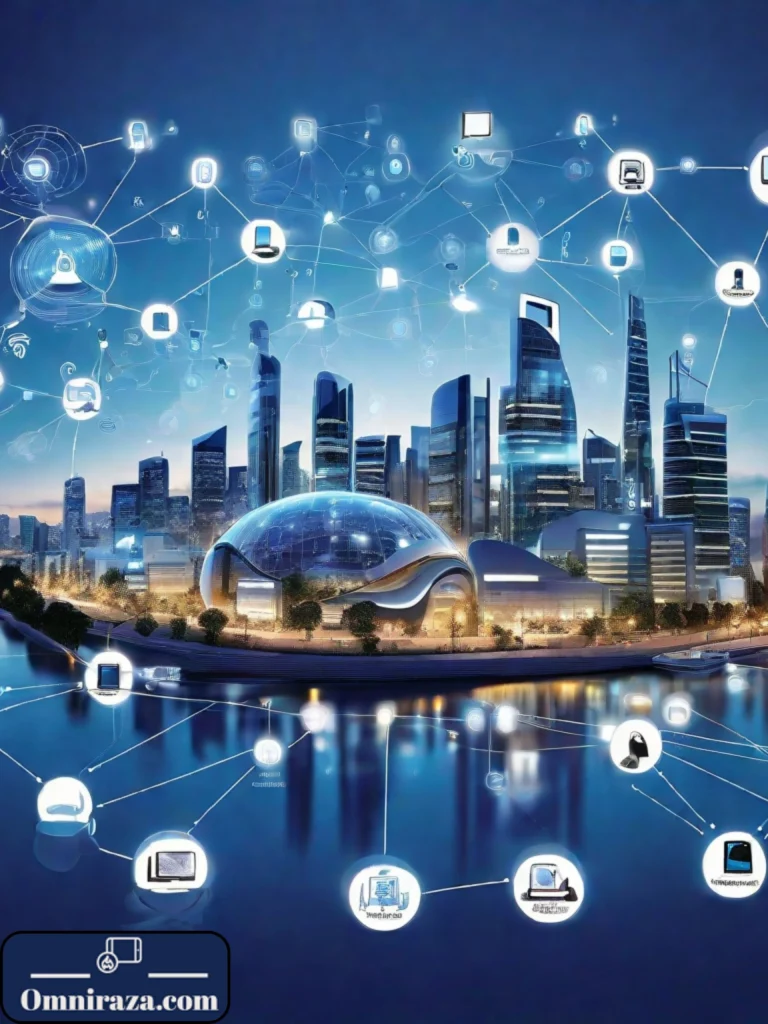
IoT’s Impact on Emerging Technologies
The marriage of AI and IoT is propelling the development of emerging technologies. As AI continues to evolve, its integration with IoT devices enhances their capabilities, resulting in intelligent applications that understand and adapt to user preferences. This collaboration is particularly evident in the realms of autonomous vehicles and predictive analytics.
Recent Examples of AI and IoT Collaboration:
- Autonomous Vehicles: The automotive industry is witnessing a surge in AI-powered IoT applications, ranging from predictive maintenance to advanced driver assistance systems (ADAS), contributing to the development of autonomous vehicles.
- Predictive Analytics: Businesses leverage the combined power of AI and IoT for predictive analytics, forecasting trends, and optimizing processes based on real-time data.
Smart Cities Powered by Internet of Things
The vision of smart cities, once a futuristic concept, is now a reality, thanks to the pervasive influence of IoT. Urban areas worldwide are undergoing a transformation, integrating IoT solutions to enhance efficiency, sustainability, and the overall quality of life. While the benefits are substantial, challenges abound, making the implementation of IoT in smart cities a complex yet rewarding endeavor.
Recent Examples of IoT Applications in Smart Cities:
- Urban Planning: Cities are utilizing IoT data for effective urban planning, optimizing infrastructure development, and ensuring sustainable growth.
- Traffic Management: IoT sensors and data analytics are being employed to manage traffic flow, reduce congestion, and enhance overall transportation systems in smart cities.
 Recent Examples of IoT Applications in Smart Cities:
- Urban Planning: Cities are utilizing IoT data for effective urban planning, optimizing infrastructure development, and ensuring sustainable growth.
- Traffic Management: IoT sensors and data analytics are being employed to manage traffic flow, reduce congestion, and enhance overall transportation systems in smart cities.
The Evolution of AI in Internet of Things
As both AI and IoT evolve, their collaboration continues to push the boundaries of what’s possible in the realm of smart technology. From smart homes that learn and adapt to user preferences to industrial applications that optimize processes, the evolution of AI in IoT is reshaping the technological landscape.
The Latest AI-Powered IoT Devices and Functionalities:
- Smart Home Integration: AI-powered IoT devices now have enhanced learning capabilities, allowing them to understand user habits and adjust settings autonomously for maximum comfort and efficiency.
- Industrial IoT (IIoT): In manufacturing and industry, AI is increasingly integrated with IoT devices for predictive maintenance, quality control, and process optimization.
IoT (Internet of Things) Innovations Across Industries
IoT’s transformative influence is not confined to a specific sector; it spans across diverse industries, bringing about revolutionary changes. From precision agriculture and smart manufacturing to connected retail experiences, IoT innovations are making a significant impact.
Recent Examples of IoT in Various Industries:
- Agriculture: IoT sensors and data analytics are used in precision farming, enabling farmers to monitor crop conditions, optimize irrigation, and enhance overall agricultural productivity.
- Manufacturing: Industry 4.0 relies heavily on IoT, with smart sensors and devices optimizing production processes, reducing downtime, and ensuring efficient resource utilization.
- Retail: The IoT is enhancing the retail experience with smart shelves, personalized marketing based on customer behavior, and inventory management systems that streamline operations.
You Might be Interested In

The Cognitive Tech Infrastructure Revolution: 5 Paramount Insights – Pioneering Tomorrow

Artificial Intelligence: 4 Powerful Real-World Applications

Internet of Things News

Internet of Things is a revolutionary approach for future technology enhancement: a review
Challenges and Security Concerns
The widespread adoption of IoT presents challenges and security concerns that cannot be ignored. From potential cyber threats to privacy issues, addressing these challenges is essential to ensuring the continued growth and success of IoT.
Recent Developments in Cybersecurity and IoT Security Measures:
- Cybersecurity Advancements: The cybersecurity landscape is continually evolving to counter emerging threats in the IoT space. Recent developments include advanced encryption protocols, secure firmware updates, and behavior-based threat detection.
- Privacy Protection: With an increasing focus on privacy, new measures such as decentralized identity solutions and improved user consent mechanisms aim to protect individuals’ data in an IoT-driven environment.
IoT’s (Internet of Things) Role in Environmental Sustainability
Beyond convenience, the IoT is playing a pivotal role in promoting environmental sustainability. From smart energy management to waste reduction, IoT solutions contribute to eco-friendly practices, aligning technology with the goal of creating a more sustainable future.
Recent IoT Innovations Promoting Environmental Sustainability:
- Smart Energy Grids: IoT-enabled devices optimize energy consumption in homes, businesses, and cities, contributing to more sustainable energy practices.
- Waste Management: IoT sensors are used in waste management systems to monitor and optimize waste collection routes, reduce landfill usage, and promote recycling.
The Future Landscape of IoT ( Internet of Things)
Predicting the future of IoT involves examining emerging trends and possibilities. From advancements in IoT connectivity to the integration of edge computing and the potential of 6G technology, the future promises exciting developments in the IoT landscape.
The latest advancements in IoT connectivity and technology:
- Edge Computing: The rise of edge computing in IoT reduces latency, enhances data processing efficiency, and enables real-time decision-making at the source of data generation.
- 6G Technology: As the successor to 5G, 6G technology is poised to further revolutionize IoT by providing unprecedented speeds, ultra-low latency, and massive device connectivity.
How to Incorporate IoT (Internet of Things) into Daily Life
For individuals looking to embrace the benefits of IoT, practical tips and advice are essential. From choosing affordable devices to integrating them seamlessly into daily routines, understanding how to make the most of IoT is crucial for a user-friendly experience.
The Latest and Affordable IoT Devices for Consumers:
Smart Wearables: Affordable smartwatches and fitness trackers provide users with real-time health data and seamless connectivity to other devices.
Smart Home Kits: Entry-level smart home kits offer affordable solutions for turning traditional homes into IoT-enabled smart spaces.
Case Studies: Successful IoT Implementations
To illustrate the real-world impact of IoT, recent case studies highlight organizations or cities that have successfully implemented IoT solutions. These examples provide valuable insights into the lessons learned, best practices, and tangible benefits achieved through effective IoT integration.
Recent Case Studies of Successful IoT Implementations:
- City of Barcelona, Spain: Barcelona’s implementation of IoT in urban planning and smart city initiatives has resulted in improved public services, enhanced mobility, and increased overall citizen satisfaction.
- Siemens AG: Siemens’ adoption of IoT in manufacturing has led to increased production efficiency, reduced downtime, and optimized supply chain management.
The Human Touch in a Smart Everything World
While technology advances, maintaining a balance between innovation and human values is crucial. This section explores the importance of the human touch in a world driven by smart technology, emphasizing ethical considerations and responsible use of IoT.
Recent Ethical Considerations and Initiatives in IoT Development:
- Ethical AI Guidelines: Organizations are increasingly adopting ethical AI guidelines to ensure responsible development and use of AI in conjunction with IoT.
- User Education Initiatives: Initiatives focusing on educating users about their rights, privacy settings, and the implications of IoT devices aim to empower individuals to make informed choices.
Internet of Things Adoption Challenges for Businesses
Businesses aiming to integrate IoT solutions face various challenges, from high implementation costs to integration complexities. However, addressing these challenges head-on is essential to unlocking the full potential of IoT and staying ahead in the competitive tech landscape.
The Latest Challenges in IoT Adoption for Businesses and Innovative Solutions:
- Implementation Costs: Advances in IoT technology are helping to reduce implementation costs, making it more accessible for businesses of all sizes.
- Integration Complexities: Solutions such as standardized communication protocols and modular IoT platforms are being developed to simplify the integration of IoT into existing business systems.
Internet of Things and Personal Privacy
The connected nature of the Internet of Things raises concerns about personal privacy. This section examines the implications of privacy in a world filled with smart devices and offers insights into protecting personal information.
Recent Advancements in Privacy Measures for IoT Users:
- Decentralized Identity Solutions: Innovations in decentralized identity solutions provide users with more control over their personal data, reducing the risk of unauthorized access.
- Enhanced User Consent Mechanisms: Improved user consent mechanisms, including transparent data usage policies and simplified privacy settings, empower individuals to manage their privacy in an IoT-driven environment.
Conclusion
In conclusion, the rise of smart everything through the Internet of Things marks a transformative era in our technological landscape. From reshaping our homes to revolutionizing entire cities, IoT’s impact is undeniable. Staying updated on the latest developments is crucial as the IoT continues to evolve, offering both challenges and opportunities. As we navigate this connected world, it’s essential to embrace the opportunities while addressing the challenges, ensuring a future where smart living enhances our lives without compromising our values.
FAQs
- What is the Internet of Things (IoT)?
The Internet of Things refers to a network of interconnected devices and objects that can communicate and share data, enhancing efficiency and convenience in various aspects of daily life.
- How does the IoT contribute to sustainability?
The IoT promotes sustainability by optimizing resource usage, improving energy efficiency, and enabling smart solutions for waste management and environmental monitoring.
- Are there privacy concerns with Internet of Things devices?
Yes, the connected nature of the IoT raises privacy concerns. It’s crucial to implement security measures to protect personal information.
- What are some challenges businesses face in adopting the Internet of Things?
Challenges include high implementation costs, integration complexities, and concerns about data security and privacy.
- How can individuals incorporate the Internet of Things into their daily lives?
Individuals can start by choosing affordable and user-friendly IoT devices that align with their needs, gradually integrating them into their daily routines for a seamless experience.
