

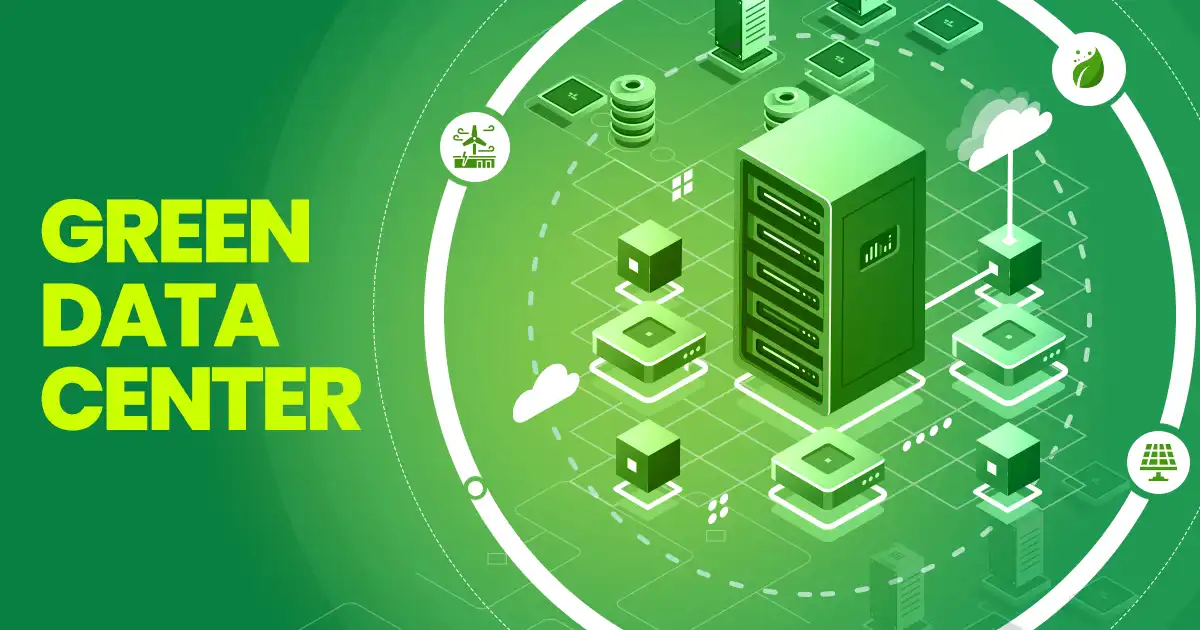
Imagine a world where every email, every cloud storage update, and every online transaction contributes to a healthier planet. Sounds ideal, right? Well, it’s becoming a reality. Green data centres are revolutionizing the way we manage digital infrastructure, aligning technological advancement with environmental responsibility.
In this comprehensive guide, we’ll explore why green Data Centres are not just a trend but the future of IT infrastructure. From their environmental benefits to their role in supporting sustainable business practices, we’ll delve into every aspect that makes them indispensable in today’s digital age.
What Are Green Data Centres?
A green data centre is a facility designed to minimize its environmental impact. This is achieved through energy-efficient technologies, renewable energy sources, and sustainable building practices. Unlike traditional data centres that often rely on fossil fuels and outdated cooling methods, green data centres prioritize sustainability without compromising performance.
The Environmental Imperative
Rising Energy Demands
The International Energy Agency (IEA) reports that data centres account for approximately 1.5% of global electricity consumption. With the surge in AI and cloud computing, this demand is expected to double by 2030 The Wall Street Journal. This escalating energy consumption poses significant challenges to both the environment and energy infrastructure.
Carbon Footprint of Traditional Data Centres
Traditional data centres are major contributors to carbon emissions due to their reliance on non-renewable energy sources and inefficient cooling systems. According to Morgan Stanley, the global data centre industry is projected to emit 2.5 billion tons of CO₂ through 2030 Reuters.
Key Features of Green Data Centres
1. Energy Efficiency
Green data centres implement advanced technologies to optimize energy use. This includes high-efficiency servers, power management systems, and intelligent cooling solutions. By reducing energy consumption, these centres not only lower operational costs but also decrease their environmental impact.
2. Renewable Energy Sources
To further reduce their carbon footprint, green data centres utilize renewable energy sources such as solar, wind, and hydroelectric power. For instance, the world’s largest green-powered data centre, located in Texas, plans to operate entirely on green energy, transitioning from natural gas to green hydrogen in the future Chron.
3. Advanced Cooling Technologies
Efficient cooling is crucial in data centres to prevent overheating and ensure optimal performance. Green data centres employ innovative cooling methods like liquid cooling and free-air cooling, which consume less energy and reduce the need for traditional air conditioning systems.
4. Sustainable Building Practices
The construction of green data centres involves using eco-friendly materials, optimizing space utilization, and designing for energy efficiency. These practices contribute to a lower environmental impact from the outset.
Benefits of Green Data Centres
1. Environmental Impact Reduction
By adopting sustainable practices, green data centres significantly lower their carbon emissions, contributing to global efforts in combating climate change. This aligns with the growing emphasis on Environmental, Social, and Governance (ESG) criteria among businesses and investors Aerodoc.
2. Cost Savings
Energy-efficient operations lead to reduced utility bills and maintenance costs. Additionally, the use of renewable energy can protect against fluctuating energy prices, providing financial stability Odata – Colocation.
3. Enhanced Reputation
Companies that invest in green data centres demonstrate a commitment to sustainability, enhancing their brand image and attracting environmentally-conscious customers and partners.
4. Compliance with Regulations
As governments worldwide implement stricter environmental regulations, green data centres help organizations stay compliant, avoiding potential fines and legal issues.
The Role of AI in Green Data Centres
Artificial Intelligence (AI) plays a pivotal role in optimizing the operations of green data centres. AI-driven analytics enable predictive maintenance, energy consumption forecasting, and dynamic cooling adjustments, leading to significant energy savings and improved efficiency Data Center Knowledge.
Challenges and Considerations
1. Initial Investment
The upfront cost of building a green data centre can be higher due to the need for specialized equipment and sustainable materials. However, the long-term savings and environmental benefits often outweigh these initial expenses.
2. Technological Integration
Integrating new technologies into existing infrastructure can pose challenges. However, with careful planning and phased implementation, these challenges can be mitigated.
3. Cybersecurity
With the adoption of advanced technologies and increased connectivity, green data centres must implement robust cybersecurity measures to protect against potential threats IBM.
Future Trends in Green Data Centres
1. Edge Computing
The rise of edge computing, where data processing occurs closer to the data source, reduces latency and energy consumption. This trend is expected to drive the development of more localized and energy-efficient data centres inveniatech.com.
2. Modular Data Centres
Modular designs allow for scalable and flexible data centre expansions, enabling organizations to increase capacity as needed without significant overhauls.
3. AI-Optimized Operations
The continued integration of AI will lead to more autonomous and efficient data centre operations, with real-time adjustments to energy usage and performance.
You Might Be Interested In
- What Are The Two Types Of Expert Systems?
- What Sectors Is Humain Focusing On health, Finance, Education, Security?
- What Are Ai Cloud Servers Used For?
- How Does Ai Personalized Learning Work In Classrooms?
- How Ai In Finance Detects Fraudulent Activity?
- How Does Cloud Ai Storage Support Models?
- What are the benefits of collaboration technology?
- What Are The 4 Types Of Machine Learning?
- What Are The Best Ai Use Cases For Financial Risk Management?
- How AI Voice Assistants Understand Commands?
Conclusion
Green data centres are more than just a technological innovation—they are a pivotal solution to the mounting environmental challenges posed by the digital era. As the world increasingly relies on cloud computing, AI, and big data, traditional data centres’ enormous energy consumption and carbon footprint have become unsustainable. By adopting energy-efficient designs, leveraging renewable energy sources, and implementing advanced cooling technologies, green data centres significantly reduce their environmental impact while maintaining high-performance standards.
Beyond their ecological benefits, green data centres provide substantial economic advantages. Reduced energy consumption directly translates into lower operational costs, while the adoption of renewable energy shields companies from fluctuating energy prices. Businesses that invest in green infrastructure also enjoy a competitive edge, enhancing their brand reputation among environmentally-conscious customers, investors, and stakeholders. Compliance with increasingly stringent government regulations is another critical benefit, as green data centres proactively address environmental standards rather than react to them.
The future of digital infrastructure will be defined by sustainability. Innovations like AI-optimized operations, edge computing, and modular data centre designs are making it increasingly feasible to scale IT resources without compromising the planet. These technologies ensure that green data centres are not just an environmentally-friendly choice but also a strategic investment in the future of business.
FAQ about Data Centres
What are green data centers?
Green data centers are facilities that store and manage data while using energy in an environmentally friendly way. They use energy-efficient systems, renewable energy sources like solar or wind, and advanced cooling methods to reduce their impact on the environment. The main goal is to lower carbon emissions and conserve resources while still providing fast and reliable data services. Green data centers are designed not just to handle the growing demand for digital services but also to do it responsibly, making them a key part of sustainable technology practices.
What is the future trend in green computing?
The future of green computing is moving towards smarter, more energy-efficient, and eco-friendly technology. Companies are focusing on reducing the energy and water consumption of their computers, servers, and data centers. Innovations like AI-based energy management, renewable energy integration, and more efficient cooling systems are becoming standard. The trend also includes designing software and hardware that require less power to run, making the entire digital ecosystem greener. As climate concerns increase, businesses and governments are likely to adopt stricter sustainability standards, which will push green computing to become the norm rather than an option.
What is the forecast for green data centers?
Green data centers are expected to grow rapidly in the coming years. With the rise of cloud computing, online services, and big data, the demand for data centers is increasing, and companies are seeking ways to make them more sustainable. Experts predict that more businesses will invest in energy-efficient designs, renewable energy sources, and advanced cooling solutions. By reducing costs and environmental impact at the same time, green data centers will become a major part of the global technology infrastructure. Governments and environmental organizations are also likely to encourage their development through incentives and regulations.
Why are data centers growing?
Data centers are growing because the amount of digital information we generate keeps increasing every day. Activities like online shopping, video streaming, social media, and cloud computing require massive amounts of data storage and processing. Businesses, governments, and individuals all rely on data centers to keep their information safe and accessible. Additionally, emerging technologies like artificial intelligence, machine learning, and the Internet of Things (IoT) need even more computing power, which is driving the expansion of data centers worldwide. This growth is expected to continue as the world becomes more connected digitally.
Do data centers recycle water?
Yes, many modern data centers recycle water as part of their efforts to save resources and reduce environmental impact. Water is often used to cool the servers and prevent them from overheating, and recycling it can significantly reduce water waste. Some data centers use systems that collect and filter water to be reused multiple times, while others use rainwater or other sustainable sources. Recycling water not only helps the environment but also lowers operational costs for the data centers. As sustainability becomes more important, water recycling is becoming a standard practice in green data centers.
